




What Is a Vertical Water Pump Motor? A Complete Guide for Buyers
When industrial processes need to move fluids reliably in small areas or deep wells, a vertical water pump motor is the best choice. This specialized machinery works in a vertical position and drives pump systems effectively in water treatment for cities, irrigation for farms, HVAC installs, and garbage management. In contrast to horizontal layouts, these motors make the best use of floor space while maintaining consistent performance in harsh conditions. Learning about their features, how they work, and how to choose them helps buying teams make smart choices that lower costs over time and make systems more reliable.

Series:YVFE2
Frequency conversion range:30hz~50hz,5hz~70hz,5hz~100hz
Power range:0.75-355kW
Protection level:IP55
Application:are suitable for driving various mechanical equipment that require continuous and frequent forward and reverse rotation, such as steel rolling, lifting, transportation, machine tools, printing and dyeing, papermaking, chemicals, textiles, pharmaceuticals, etc., and can be used with various domestic and foreign variable frequency power supplies.
Advantage:high efficiency, wide speed range, high precision, stable operation, and easy operation and maintenance.
Certificate:installation dimensions comply with International Electrotechnical Commission (IEC) standards.
Others: SKF, NSK, FAG bearings can be replaced according to customer requirements.
Understanding Vertical Water Pump Motors
What Defines a Vertical Water Pump Motor?
A vertical water pump motor is designed to work with its shaft standing upright and linking straight to the pump impellers below. It is different from horizontal motors because the shaft in horizontal motors runs parallel to the ground. The vertical form makes it possible to place in wells, deep sumps, and other small areas where horizontal setups would not work. Most of the time, these motors have sealed bearings, heat safety, and strong cast iron frames that can handle constant use in difficult circumstances.
Core Components and Working Principles
The motor unit has a stator with high-quality copper windings, a rotor that is perfectly balanced, and sealed bearing systems that make the motor last longer. When an electric current flows through the windings, electromagnetic forces turn the shaft, which sends mechanical energy to the blade of the pump. Compared to belt-driven options, this direct-drive system loses less energy. Protection class IP55 covers keep dust and water out of internal components, so they can still work properly in wet and outdoor settings.
Primary Motor Types and Their Applications
Vertical turbine motors are used in deep wells to pull water from underground vertical water pump motor sources using more than one set of impellers. Stacking impellers in multistage designs makes higher head pressures that are needed in tall buildings or storage tanks that are above ground. When used in HVAC cooling towers and industrial process lines, inline vertical motors connect directly to the pipe systems. For example, in manufacturing plants, public utilities, and farms, each type meets different practical needs by meeting flow rates, pressure needs, and installation limitations.
Key Benefits and Performance Factors
Space Efficiency and Operational Advantages
Vertical direction makes the equipment's size much smaller, which frees up important floor space in crowded buildings. This design is very useful in wastewater treatment plants where several pumps work in small units. The vertical shaft orientation makes it easier for workers to do upkeep on bearings and seals because they don't have to take apart large networks of pipes. The noise level in business and residential areas is lower because these motors run easily and with little shaking.
The performance qualities give real practical gains that have an effect on costs at the bottom line:
- High Efficiency: Modern rotor designs and high-quality copper windings make motors more efficient, which means they use up to 15% less energy than older motor technologies. This means that in continuous-duty uses, electricity bills are lower.
- Wide Speed Range: The variable frequency drive lets the speed be changed from 5 Hz to 100 Hz. This lets workers perfectly match the pump output to changes in demand, which keeps energy from being wasted when flow rates are low.
- Stable Operation: Precision-balanced rotors and protected bearing systems keep wear to a minimum, which increases the average time between breakdowns and decreases unexpected downtime that delays production.
- Easy Maintenance: Because modules are built in groups, parts can be quickly replaced without the need for special tools. This cuts down on repair time and labor costs while keeping the system available.
These benefits directly address the needs of buying workers who have to deal with tight budgets and strict service goals. The motor's operating lifespan gives a clear return on investment through lower repair costs and energy savings.
Maintenance Best Practices and Troubleshooting
Regular greasing of bearings makes them last longer, and protected versions need to be checked every 6,000 hours of use. Keeping an eye on the temperature of the windings helps find cases of thermal overload before they cause damage to the vertical water pump motor's insulation. Vibration analysis finds early signs of bearing wear so that replacements can be planned for times when maintenance is planned instead of having to happen during emergency shutdowns. When trying to figure out what's wrong with performance, make sure that the VFD parameter settings match the motor specs, look for voltage differences of more than 2%, and check the cable links for resistance buildup that lowers efficiency.
How to Choose the Right Vertical Water Pump Motor for Your Needs
Defining Technical Requirements
First, figure out how much flow is needed in cubic meters per hour and how much head pressure there is in meters. Match these factors to motor power levels between 0.55 kW and 315 kW, making sure there is enough capacity with a 15–20% safety cushion. Think about the job cycle. For example, managing heat for constant S1 uses is different from managing heat for sporadic activities. Ambient temperatures between -20°C and +40°C affect how well cooling works, and estimates for derating are needed above 1000 meters to keep things from getting too hot.
Variable Frequency Drive Integration
When paired with VFD technology, modern vertical water pump motors work at their best. These settings change the motor speed on the fly, matching the output of the pump to the demand at any given time without using energy-wasting reducing valves. Different uses can be met by frequency conversion bands of 5 Hz to 100 Hz. For example, city water systems work at about 50 Hz during peak demand, while process control applications may need 30 Hz during startup steps. When a VFD is integrated, it supports soft-start features that lower inrush current. This protects the electrical system and increases the motor's life.
Power Range and Application Matching
Motors with power ratings between 0.75 kW and 355 kW can be used for a wide range of tasks, from small home HVAC systems to big city water stations. In places where automation is needed, like steel rolling mills, chemical plants, and textile factories, motors must be able to handle ongoing forward and backward spin cycles. For agricultural watering, deep well pumps need to work only during certain times of the year and have a high starting power. Installations in the energy sector, like power plants and green energy plants, need precise speed control for water treatment and cooling tower flows.
Procurement and After-Sales Considerations
Evaluating Supplier Reliability
Check the ISO 9001:2015 approval of possible providers to make sure their quality management systems meet foreign standards. The CE mark shows that the product meets the safety standards of the European Union, and the GOST mark shows that it works well in harsh industrial settings. Carefully read over the guarantee terms. For at least 18 months after the machine is put into service, the warranty should cover all of its parts, including the motor windings, bearings, and structural parts. The speed with which a supplier responds to technical help requests has a direct effect on project timelines, so the availability of local service is an important decision factor.
Delivery and Installation Support
Lead times for normal setups are usually between 4 and 6 weeks, but there are faster choices for jobs that require vertical water pump motor to be done quickly. Total landing costs go down when suppliers offer free shipping, especially for orders of more than one unit. Professional installation instructions make sure that the pump parts are properly aligned and connected, which keeps the bearings from wearing out too quickly because the shaft isn't lined up correctly. As part of commissioning support, the VFD's parameters are set, its thermal overload settings are made, and its first performance is checked to make sure it meets the requirements.
Spare Parts and Maintenance Contracts
Check to see if extra parts are available before finishing buy orders. This includes making sure that essential parts like bearings, seals, and cooling fans are in stock locally. Maintenance contracts include regular checks, cleaning services, and sound analysis that find problems early on, before they become too big to fix. When compared to reactive repair methods, these deals usually cut the total cost of ownership by 20 to 30 percent. When in-house support teams have access to technical materials in English, such as wiring diagrams and fixing guides, they can fix small problems without having to call a provider.
Conclusion
It's important to think about technical specs, budget, and long-term operating costs when choosing the right vertical water pump motor. In industrial machinery, HVAC systems, public services, and farming, these motors make things run more smoothly and take up less room. Their vertical position, wide speed range, and energy-efficient designs make them suitable for a wide range of applications while keeping lifetime costs low. When buyers know about the quality of the parts, the benefits of integrating a VFD, and the support services a seller offers, they can make sure they're getting the best products that will protect their investments and make the system more reliable over many years.
FAQ
1. What distinguishes vertical water pump motors from submersible pump motors?
When you put a vertical water pump motor above ground or at ground level, the motor shaft extends down to connect to the pump impellers. Submersible motors work completely underwater because they are sealed inside the pump case. This basic difference affects how easy it is to do upkeep, how cooling works, and how much it costs to put in urban, commercial, and farming settings.
2. Which factors most significantly influence operational efficiency?
How well a motor works relies on its copper windings, how well the rotor is balanced, and how much friction there is in the bearings. Adding a variable frequency drive lets you fit the speed to the demand, so you don't waste energy by slowing down the controls. When motors are the right size, they work most efficiently when they're loaded to 75 to 95 percent of their rated capacity.
3. Can these motors be changed to fit the needs of a certain industry?
A lot of makers let you choose the voltage (380V, 400V, 415V, or 660V), the mounting setup (B3, B5, B35, or V1), and the quality of the bearings. The frequency ranges can be changed from 30 Hz to 100 Hz to fit the needs of the application. Different industries have different operating challenges that need to be met. These can be met with custom shaft lengths, special treatments for toxic environments, and custom thermal protection settings.
Partner with XCMOTOR for Your Vertical Water Pump Motor Requirements
Shaanxi Qihe Xicheng Electromechanical Equipment Co., Ltd. makes power equipment that is designed to use energy efficiently and work reliably in a wide range of commercial settings. Our collection of vertical water pump motors ranges from 0.55 kW to 315 kW and is used for automation in manufacturing, HVAC setups, water treatment plants, and farming all over the United States. We keep high-quality SKF, NSK, and FAG bearings in stock, which means they will last longer in harsh conditions. Our 30-day return policy and special weekend support protect your investment, and fast shipping keeps your project on track. You can email our expert team at xcmotors@163.com to talk about your specific needs, to look at full specs, and get quotes from a dependable vertical water pump motor provider that wants to solve your problems before and after the sale.
References
1. American Water Works Association. (2019). Vertical Turbine Pump Design and Application Standards. Denver: AWWA Press.
2. Hydraulic Institute. (2020). Energy Efficiency in Pump Systems: Best Practices for Selection and Operation. Parsippany: Hydraulic Institute Publications.
3. International Electrotechnical Commission. (2018). IEC 60034-30-1: Rotating Electrical Machines – Efficiency Classes of Line Operated AC Motors. Geneva: IEC Central Office.
4. Karassik, I. J., Messina, J. P., & Cooper, P. (2021). Pump Handbook: Fifth Edition. New York: McGraw-Hill Education.
5. National Electrical Manufacturers Association. (2022). NEMA MG 1: Motors and Generators Standard. Rosslyn: NEMA Publications.
6. U.S. Department of Energy. (2020). Industrial Motor Systems Optimization: A Guide for End Users. Washington: DOE Office of Energy Efficiency and Renewable Energy.
YOU MAY LIKE
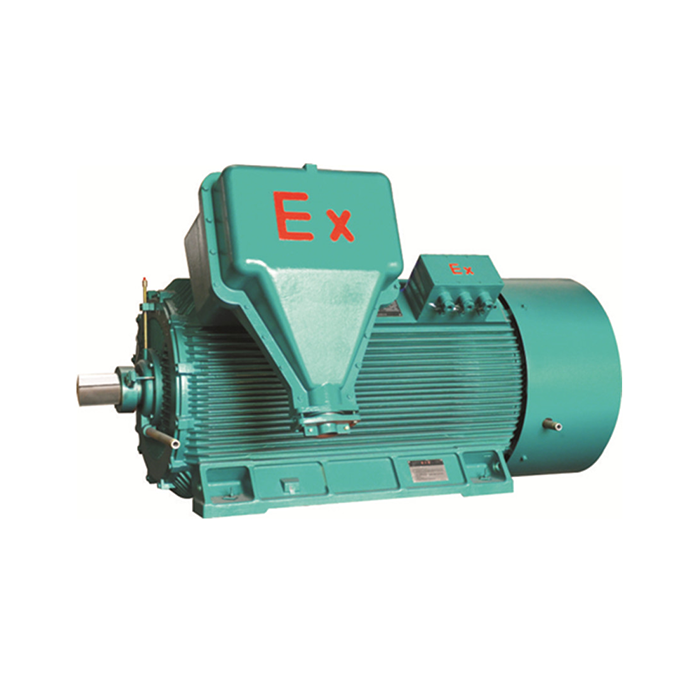 VIEW MOREYB2 series high voltage explosion-proof motor
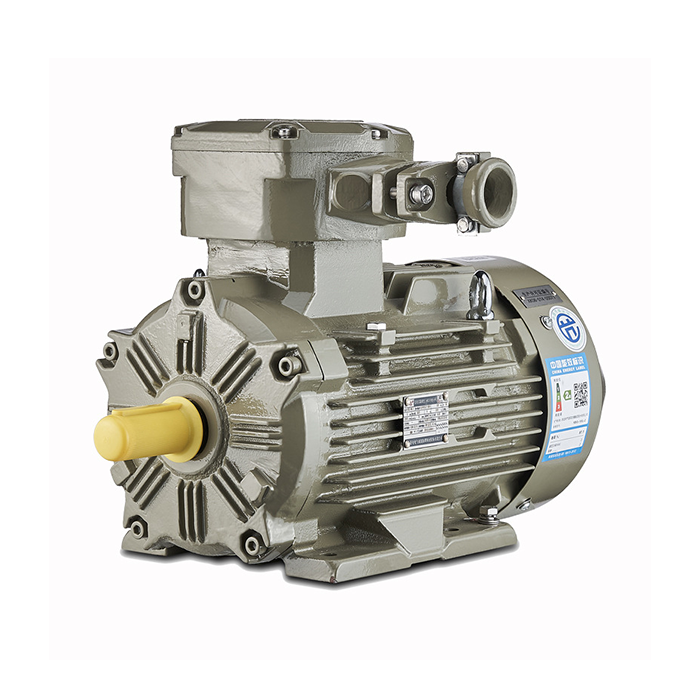 VIEW MOREYBX3 series low voltage explosion-proof motor
 VIEW MOREbutterfly valve full lug type
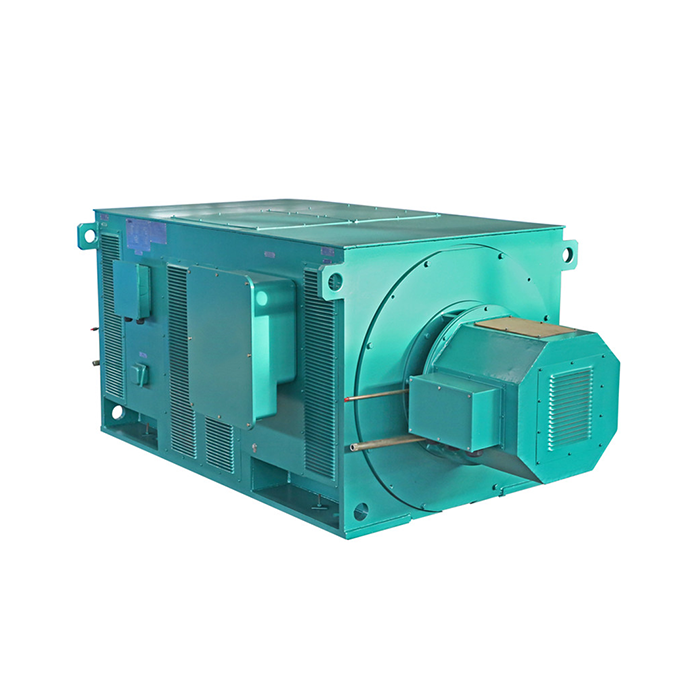 VIEW MOREslip ring induction motor
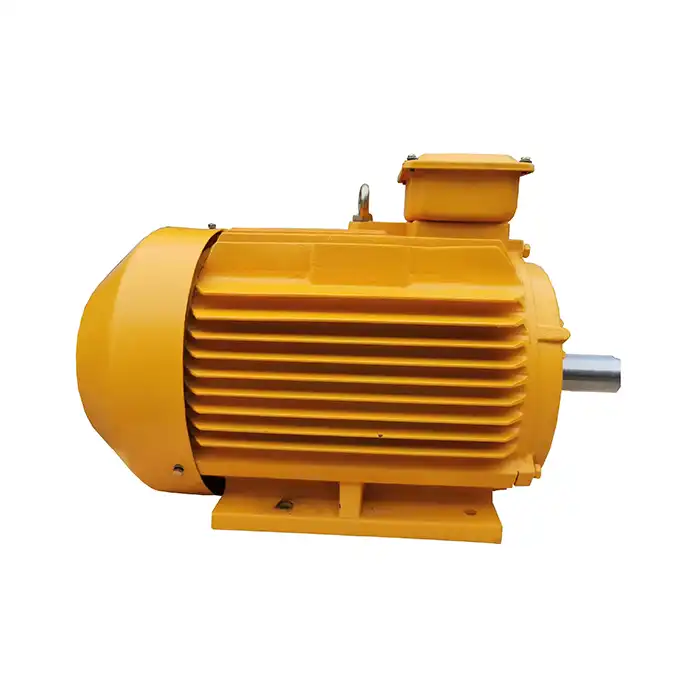 VIEW MORE1440 rpm motor
 VIEW MOREY high voltage series motor
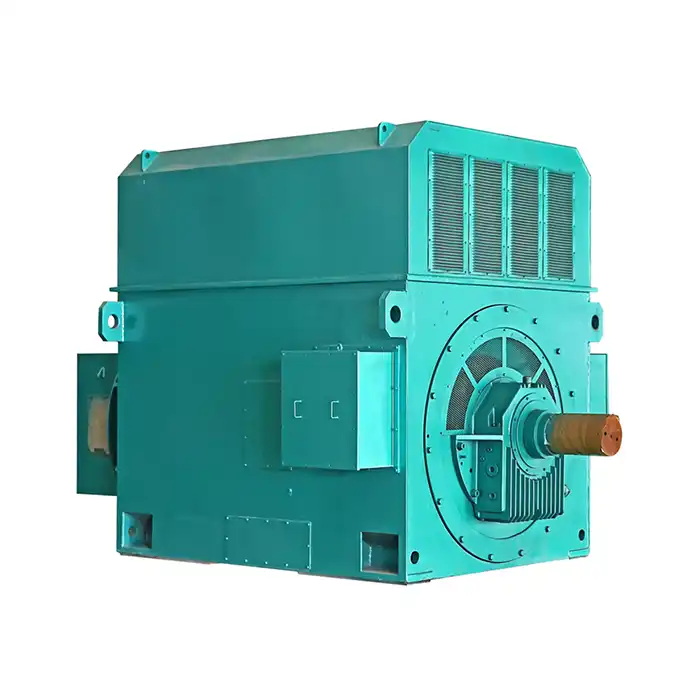 VIEW MOREWound Rotor Induction Motors
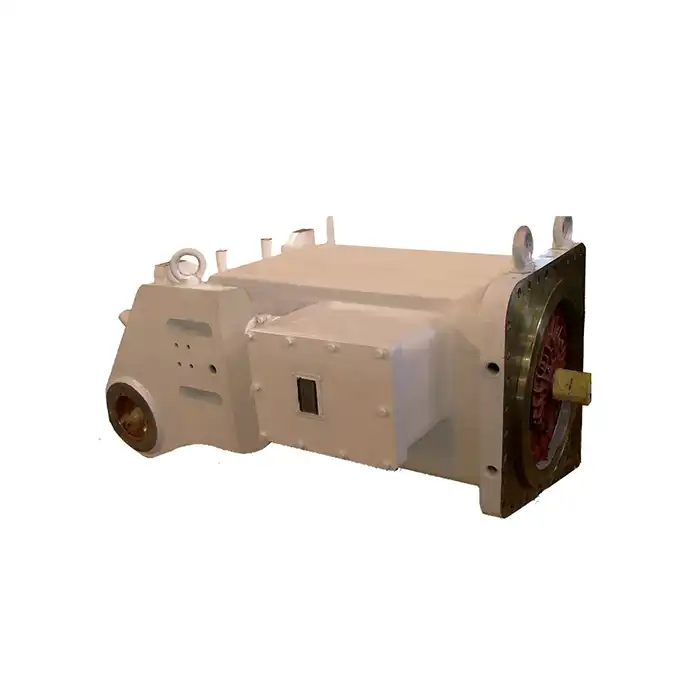 VIEW MOREYBSD explosion-proof conveyors motors