




How a Medium Voltage Induction Motor Powers Large Compressors
If an industrial facility needs to run big machines safely and effectively, a medium voltage induction motor is the best choice. The voltage range for these motors is 3 kV to 11 kV, and their power rates are 185 kW to 1800 kW. Because they can handle heavy loads while still using little energy, they are perfect for use in compressors in factories, chemical plants, and energy creation sites. These motors are built to last and use cutting edge technology to make sure they produce steady torque and stay stable at high temperatures. This is very important for compressors that have to keep running under heavy loads without stopping.
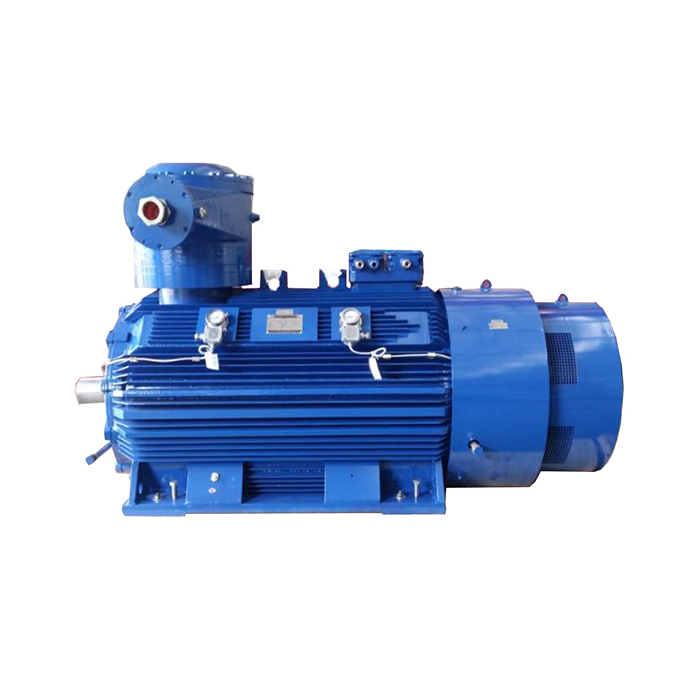
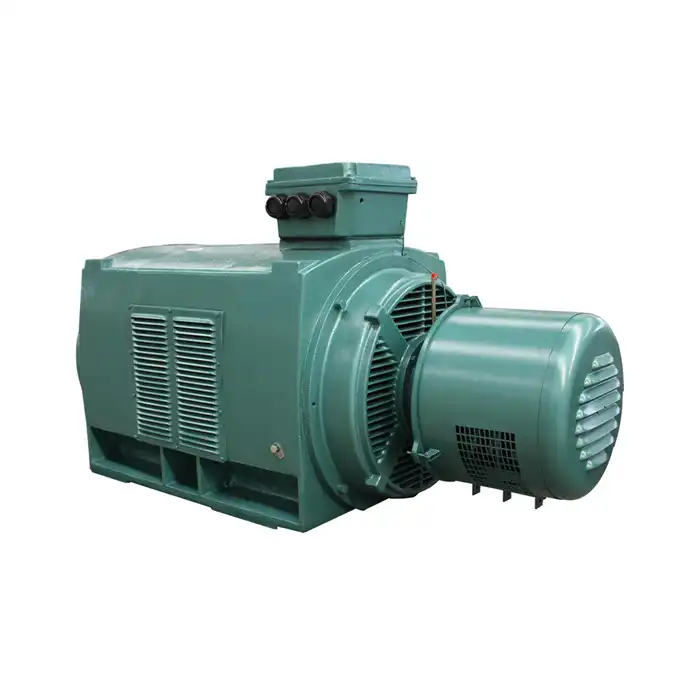
Series:YBBP-HV
Voltage range:3000V±5%,3300V±5%,6000V±5%,6600V±5%,10000V±5%,11000V±5%
Power range:185-1800 kW
Application:compressors, water pumps, crushers, cutting machine tools, transportation machinery.
Advantage: wide modulation range, high efficiency and energy saving, low noise, long life, high reliability.
Others: SKF, NSK, FAG bearings can be replaced according to customer requirements.
Understanding Medium Voltage Induction Motors in Compressor Applications
What Makes Medium Voltage Motors Different
Medium voltage induction motors work with voltages between 1 kV and 13.8 kV, which puts them in the middle of the low voltage and high voltage groups. IEC 60038 guidelines say that this group includes motors that need values above 1000 V. Because they can work with different voltages, these motors need less energy than low voltage options. This means that the cross-sections of the conductors are smaller, and the cost of the cables over long lengths is lower. When motors are located far from power distribution points in big industrial sites, this feature comes in very handy.
The precise engineering that goes into making these motors is what makes them stand out. The quality copper windings in the stator are carefully designed to allow the most airflow and heat absorption. This setup stops hotspots and makes the system last longer. The design of the rotor focuses on smooth spinning with little friction. This means that less energy is wasted and the machine runs more quietly. A frame made of cast iron is strong enough to handle the movements and hits that are common in industrial settings.
Core Components That Drive Performance
A medium voltage induction motor has a number of important parts that work together to turn electrical energy into mechanical force. The stator has carefully placed copper windings that, when turned on, make a spinning magnetic field. Class F shielding, which is set to 155°C, protects these windings from heat during long periods of use. Electrical shorts can't happen because of the insulation system, which also keeps wetness and other things from getting into the motor case.
The stator makes a magnetic field, which the rotor reacts to by making torque that turns the compressor shaft. Precision-balanced rotor design keeps vibrations to a minimum, which keeps the motor and any equipment attached to it from wearing out too quickly. Advanced bearing systems with SKF, NSK, or FAG parts can be changed to fit the needs of the application, making sure that the system rotates smoothly even when the load changes.
During constant duty cycles, cooling devices keep the best working temperatures. The IC416 cooling method uses fans outside and air flow inside to get rid of heat from important parts quickly. This way of cooling works well for compressors where motors need to run for long amounts of time without losing performance due to heat.
Why Compressors Need Medium Voltage Solutions
Large compressors need a lot of starting speed and power transfer that lasts for a long time. This can be done with a medium voltage induction motor because it can make constant power over a wide speed range. When compressors are first turned on, they put a lot of inertial load on the motor, so it needs to be able to give 150% to 250% of its maximum torque. Medium voltage motors' electromagnetic design can handle these spike needs without drawing too much power, which would put stress on electrical systems.
Medium voltage motors are naturally efficient, which makes them useful in compressor uses. When you run at higher volts, resistive losses in wires go down. This makes the energy conversion process more efficient generally. This efficiency directly leads to lower power costs in places where fans are always running. Most industrial compressor needs, from big cooling units to process air systems, can be met by power ranges from 185 kW to 1800 kW.
Key Performance Factors of Medium Voltage Induction Motors for Compressors
Efficiency Ratings and Energy Consumption
Energy efficiency has a direct effect on the costs of running buildings that have fans on all the time. Medium voltage induction motors are more efficient than similar low voltage units because they need less power and have better electromagnetic design. Most of the time, efficiency rates are higher than 95% at full load. This means that less electricity is wasted as heat and more is used for work.
Power factor control is an important part of how the grid works and how utilities are billed. When motors' power factors are close to one (1.0), they draw less reactive current from the power source. This lowers demand costs and makes the facility's voltage more stable. Modern medium voltage motors are built with features that keep power factors above 0.85 in regular working ranges. This is good for both the facility and the utility grid.
Motor Ratings and Load Matching
Choosing the right motor rates is important for making sure that the compressor works well. Power output ranges from 185 kW to 1800 kW to suit different compressor sizes and job cycles. With speed choices like 3000 rpm, 1500 rpm, and 1000 rpm, the motor's features can be matched to the mechanical needs of the compressor. When motors are connected through variable frequency drives (VFDs), they can work at different speeds. This lets you precisely control the flow of energy and save even more.
How motors handle temperature spikes while they're running is based on their thermal class grades. When Class F insulation is combined with Class B temperature rise, it creates a safety cushion that makes the insulation last longer. This thermal safety makes sure that motors can work in temperatures ranging from -40°C to +40°C without losing power. This makes them perfect for outdoor setups and tough industrial settings.
Cooling Methods and Thermal Management
When the compressor is working hard, good cooling keeps the motor reliable. The IC416 cooling method uses shaft-mounted fans that increase airflow in a way that is related to motor speed. This makes sure that the cooling is enough even when the load changes. This self-regulating feature keeps the motor from burning during prolonged high-power use and stops it from using too much energy when the load is light.
Thermal stability is achieved by combining well-designed airflow channels with precisely adjusted parts. Air moves around the windings and through the rotor's holes in carefully planned paths, clearing heat before it builds up. This efficient cooling lets motors keep running at full power even when the temperature outside is high, which is useful in places where climate control isn't easy to get to.
Starting Methods and Torque Behavior
When starting a compressor, you need to be very careful to protect both the motor and the tools it drives. Direct-on-line (DOL) starting is easy, but it causes large initial currents that could put stress on the power grid. Soft starters lower the power needed to start the engine and provide a controlled ramp-up of torque. This keeps mechanical parts safe from shock loads. VFD support makes starts go more smoothly and gives you better control over the speed over time.
Medium voltage motors produce power that is right for compressor loads during startup. It takes enough breakaway torque from the electromagnetic system to get past static friction and beginning compression resistance. As the compressor speeds up, the torque stays high enough to get it to working speed in a reasonable amount of time while staying below the temperature limits.
Comparing Medium Voltage Induction Motors with Alternative Motor Types for Compressors
Medium Voltage Versus Low Voltage Options
Low voltage motors usually work at 690 V or less, so they need bigger currents to give the same amount of power. Because of the higher power, cables and circuit safety tools have to be bigger and heavier, which makes the installation cost more. Medium voltage induction motors operate at higher voltages, which lowers these infrastructure needs. This makes them cost-effective for compressor systems over 200 kW.
Different voltage classes have different maintenance needs. Higher current densities cause insulation to break down faster in low voltage motors, which could mean that repair times need to be shortened. Designs with medium voltage, better insulation, and lower current loads make it possible to go longer without having to do any upkeep. Because the power is lower, there is less resistive warmth in the motor windings, which helps them last longer.
Medium voltage motors work better at higher power levels because they are more efficient. Over the life of the motor, the lower resistance losses and improved electromagnetic design save a lot of energy. For compressors that are used all the time, these efficiency gains add up to big cost savings that make up for the differences in the initial investment.
Synchronous Motors as Alternatives
When compared to induction systems, synchronous motors have their own unique qualities. Instead of the slip that is normal for induction motors, they run at exact speeds set by the source frequency. This trait works well in situations where precise speed control is needed. Synchronous motors can also work at leading power factors, which helps electrical systems deal with impulsive power.
But synchronous motors are more complicated because they have excitation systems that need extra control gear and regular upkeep. The brushless induction systems or slip ring kits add parts that need to be checked every so often. This isn't a problem with medium voltage induction motors because they are simple and tough, so they work better in difficult settings.
Because they are cheaper, induction motors are often better for normal compressor uses. Because the design is easier, it costs less to buy and there are fewer extra parts on hand. When their special features are needed, synchronous motors are useful. But for most industrial compressor setups, medium voltage induction motors offer the best mix of performance, dependability, and value.
Application-Specific Selection Guidance
Which motor type to use depends on the needs of the compressor and the limitations of the building. Medium voltage induction motors work great in situations where they need to be reliable and require little upkeep while the load changes. Their large modulation range lets process changes happen without the need for complicated control systems. Total ownership costs go down over normal 20-year operating periods because of the high dependability and long service life.
The duty cycles of the compressor affect the choice of motor. Continuous running works best with motors that can handle heat better and have a history of lasting a long time. The IC416's Class F insulation system and cooling method provide temperature reserves that make sure it works reliably for long periods of time. Protection classes from IP55 to IP65 keep dust, wetness, and other external pollutants that are common in industrial areas from getting into internal parts.
Maintenance, Troubleshooting, and Lifecycle Management of MVIM for Compressors
Preventive Maintenance Best Practices
Regular preventive maintenance extends motor life and reduces unexpected failures. For compressor applications, quarterly inspections using vibration analysis and temperature monitoring help detect early bearing issues, supported by proper lubrication of SKF, NSK, or FAG bearings. Annual insulation resistance testing and thermal imaging identify winding or cooling faults. Cooling systems require routine cleaning of fans and ducts, with harsher environments needing more frequent maintenance.
Common Failures and Diagnostic Approaches
Common motor failures include bearing damage, insulation breakdown, and electrical connection faults. Bearing issues are detected through vibration monitoring, noise, and temperature rises, allowing early correction through maintenance replacement. Insulation degradation is tracked via resistance testing, with root causes such as cooling or environmental stress identified. Electrical faults are found using thermography and terminal inspections to prevent overheating and system failure.
Extending Motor Lifespan and Warranty Considerations
Proper installation is key to extending motor lifespan, ensuring correct shaft alignment, stable foundations, and adequate cooling airflow to reduce wear and prevent failures. Operating within rated limits and avoiding overloads, excessive starts, and voltage issues further protects components, supported by real-time monitoring of current, temperature, and vibration. Warranties and service agreements provide repair support, expert assistance, and long-term operational reliability.
Procurement Guide and Practical Considerations for Purchasing MVIM for Large Compressors
Cost Factors and Value Assessment
The total cost of ownership includes far more than the initial purchase price, as energy consumption over a motor’s lifespan typically exceeds upfront cost. Even a 2% efficiency gain can deliver major savings over 20 years. Customization affects price and lead time but improves fit for specific applications, including voltage options and mounting. Standard motors ship faster, while custom orders require longer planning and coordination.
Ordering Process and Documentation Requirements
Successful motor procurement starts with clear technical specifications, including voltage, power, speed, duty cycle, environment, mounting, and safety class, along with mechanical and electrical interface requirements for proper system integration. Supplier documentation should include certified drawings, test reports, manuals, and compliance certificates (ISO, IEC, CE, CCC). The process covers quoting, production, testing, and delivery, with FAT reducing launch risks.
Supplier Evaluation and Long-Term Support
Supplier credibility is key to long-term performance, so procurement teams should review history, customer feedback, and certifications. Strong manufacturers ensure consistent quality and reliable support. Fast after-sales service, field assistance, and easy access to parts (e.g., SKF, NSK, FAG bearings) reduce downtime. Ongoing technical communication and detailed supplier agreements help optimize application performance and prevent misuse.
Conclusion
Medium voltage induction motors give big compressors the power, economy, and dependability they need. Their strong construction means they can be used continuously in harsh industrial settings, and they use energy efficiently, which lowers running costs. When procurement teams know about the technical factors that affect motor choice, like voltage ratings, power output, cooling methods, and starting traits, they can exactly describe motors that meet application needs. Lifecycle management and proper repair can make motors last longer and give you the best return on your investment. Long-term business success depends on working with reliable providers who offer full support.
FAQ
1.What efficiency advantages do medium voltage motors offer over low voltage alternatives?
Medium voltage induction motors are more efficient because they need less power and have lower resistance losses. When compared to low voltage motors at 690 V or less, operating at voltages between 3 kV and 11 kV lowers the flow of current for the same amount of power output. This lowers the amount of I² that is lost in the wires and windings, which turns more electrical energy into mechanical work. Most of the time, efficiency rates are higher than 95%, which means that places where compressors run all the time will save money. The better power factor features also lower energy demand charges and make it easier for devices to talk to each other on the grid.
2.What maintenance challenges are specific to medium voltage motors?
When working with medium voltage motors, you need to pay attention to the electrical links and shielding systems. Higher voltage puts stress on shielding materials, so checking their resistance on a regular basis is important for finding damage. Insulation failure can be avoided by keeping the right distances between things and stopping water from getting in. Bearing upkeep is similar to that for low voltage motors, but it needs extra care for medium voltage motors because they cost more to run when they're not working. Maintenance on the cooling system makes sure that thermal control works well during long periods of activity. Setting up regular inspection times and keeping an eye on condition tracking data can help avoid shocks and increase the life of motors.
3.Which startup methods work best for compressor applications?
For most compressor uses, soft starts and VFDs are the best ways to get the motor running. Soft starts lower the inrush current and manage the power ramp-up. This keeps mechanical parts safe from shock loads and keeps the electrical system from getting too stressed. VFDs have the best starts and can also be used to change the speed over time, which saves energy by changing the flow. Direct-on-line starting works well for smaller motors where the electrical system can handle high currents at start-up, but controlled starting methods work better for bigger installations. The decision relies on the size of the electrical system, the mechanical properties of the compressor, and the needs of the process.
Partner with XCMOTOR for Your Medium Voltage Induction Motor Needs
XCMOTOR, which stands for Shaanxi Qihe Xicheng Electromechanical Equipment Co., Ltd., makes power equipment that is designed to work in tough industry settings. Our selection of medium voltage induction motors has voltages from 3000V to 11000V and power outputs from 185 kW to 1800 kW. These motors are intended to work with big compressors. Before it is shipped, every motor goes through strict quality control and a full performance check. We offer customisable bearing choices with SKF, NSK, or FAG parts that are matched to the needs of your application. As a supplier of medium voltage induction motors with a lot of experience, we offer specialised expert help during the entire procurement process and afterward. To talk about your compressor motor needs, email our team at xcmotors@163.com or go to motorxc.com. We offer quick turnaround times, open buy returns for 30 days, and full help seven days a week to make sure your project stays on track and your equipment works well for years to come.
References
1. Chen, W. (2021). Medium Voltage Motor Design Principles and Industrial Applications. Industrial Press Publishing.
2. International Electrotechnical Commission (2019). IEC 60034: Rotating Electrical Machines - Part 1: Rating and Performance Standards. IEC Publications.
3. Nasar, S.A. & Boldea, I. (2018). The Induction Machine Handbook: Design and Performance Analysis. CRC Press.
4. Patterson, J.R. (2020). Industrial Motor Control and Compressor Applications. McGraw-Hill Technical Education.
5. Rodriguez, M. & Singh, B. (2022). Energy Efficiency in Medium Voltage Motor Systems: Technical Approaches and Economic Benefits. IEEE Industry Applications Magazine, 28(3), 45-58.
6. Wilson, T.L. (2019). Preventive Maintenance Strategies for Medium Voltage Rotating Equipment in Process Industries. Reliability Engineering Publications.
YOU MAY LIKE
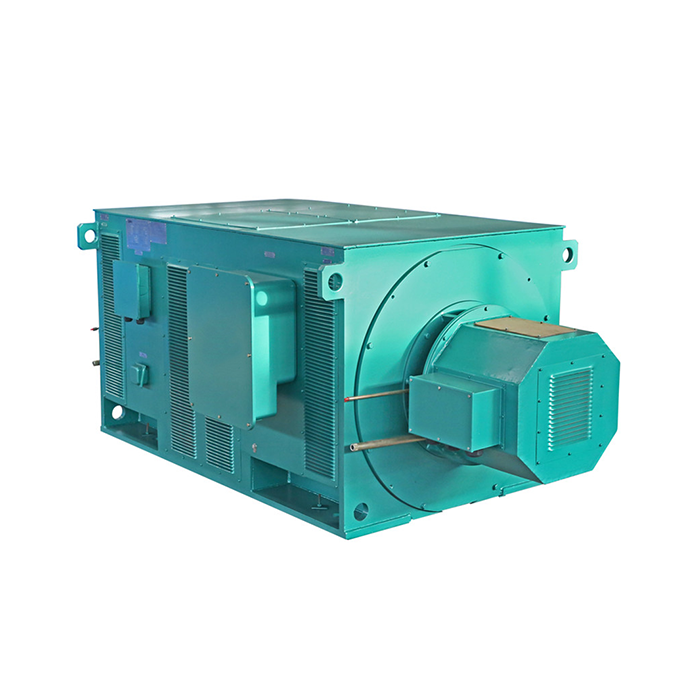 VIEW MOREYR(IP23) series high voltage wound rotor three-phase asynchronous motor
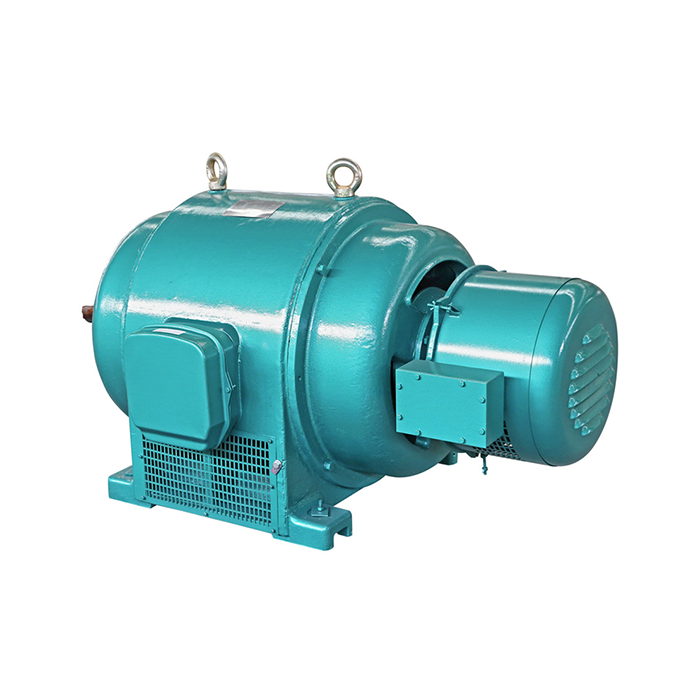 VIEW MOREYRQ(JR) 380V wound rotor motor
 VIEW MORE12 wafer check valve
 VIEW MOREac wound rotor motor
 VIEW MOREslip ring rotor motor
 VIEW MOREasynchronous motor 3 phase
 VIEW MOREYBX4 explosion-proof motor
 VIEW MORE3 phase asynchronous induction motor