




How to Evaluate IEC Low Voltage Motors Manufacturers
When looking at different companies that make iec low voltage motors, look for ones that have shown they follow international standards like ISO 9001 and the IEC 60034 series. Check out their full range of production options, customization options, and customer service after the sale. Check for qualifications like the CE mark, see how technically skilled they are by reading product specs, and read customer reviews. A reputable manufacturer should communicate clearly, offer low prices, offer full warranty coverage, and be available for expert advice. These evaluation criteria protect the money you spend on purchases and make sure they work reliably in harsh workplace settings.
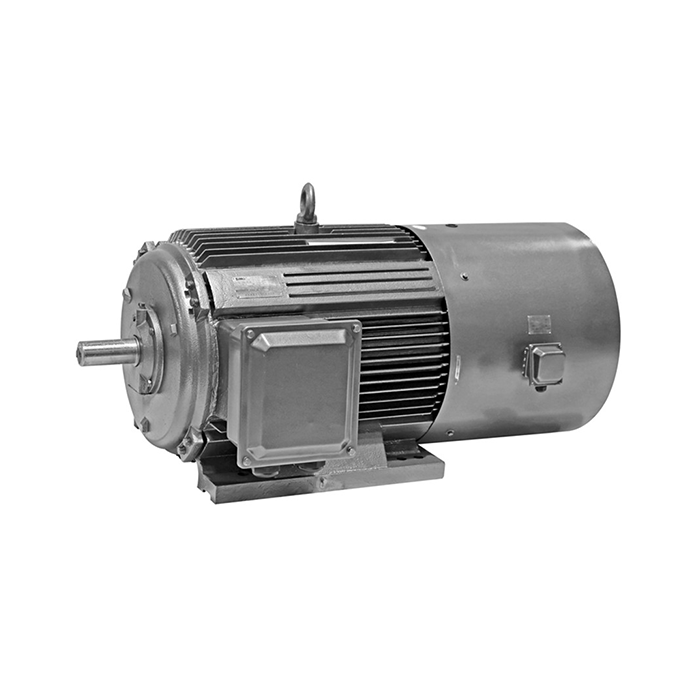
Series:YVFE4
Frequency conversion range:30hz~50hz,5hz~70hz,5hz~100hz
Power range:0.75-1000kW
Protection level:IP55
Application:are suitable for driving various mechanical equipment that require continuous and frequent forward and reverse rotation, such as steel rolling, lifting, transportation, machine tools, printing and dyeing, papermaking, chemicals, textiles, pharmaceuticals, etc., and can be used with various domestic and foreign variable frequency power supplies.
Advantage:high efficiency, wide speed range, high precision, stable operation, and easy operation and maintenance.
Certificate:installation dimensions comply with International Electrotechnical Commission (IEC) standards.
Others: SKF, NSK, FAG bearings can be replaced according to customer requirements.
Understanding IEC Low Voltage Motors and Their Industry Importance
A lot of what factories do depends on electrical tools that work reliably even when things get tough. Motors made to meet the standards of IEC low-voltage motors operate with voltages between 220V and 690V. They are the backbone of industrial processes, HVAC systems, and energy transfer networks. These standard tools make sure that they can be used anywhere in the world, so buying teams can find equipment that works well with everything, no matter where they are located.
Why IEC Standards Matter for Industrial Buyers
The International Electrotechnical Commission has set strict rules for how motors should be built, how they should be tested, and how well they should work. The International Energy Agency (IEA) says that motor-driven systems use about 53% of the world's energy. This means that dependability and economy are very important. The IEC 60034-2-1 test standard sets globally recognized ways to check how well a motor works, and the IEC 60034-30-1 classification plan lists levels of efficiency that help people decide what to buy. These models lower operating risks by making it clear what is expected in terms of longevity, upkeep needs, and patterns of energy use.
Common Applications Across Industrial Sectors
Three-phase asynchronous motors are used in automatic production lines, conveyor systems, and machine tools in factories. These motors power fans, blowers, and air units in business buildings that keep the temperature stable. They are used by energy companies in pumping stations, water treatment plants, and systems for green energy. Standardized motors are useful for making medicines, clothes, chemicals, and transportation systems because they can be used in many different ways. Their versatility as variable frequency drives lets them be used in more situations, allowing fine speed control in robots and material handling equipment.
Core Criteria for Evaluating IEC Low Voltage Motor Manufacturers
To choose the right provider, you need to carefully look at a lot of factors that will affect both long-term value and the ability to keep running your business with iec low voltage motors.
Certification and Compliance Verification
Manufacturers are judged based on the quality standards they have. Look for the CE mark, which means that the product meets European safety and environmental guidelines. Getting ISO 9001 approval shows that you care about quality management systems. GOST approval shows that you follow the technical rules in certain areas. In order to show that they follow the IEC 60034 series standards, especially when it comes to installation measurements and performance, manufacturers should provide proof. Ask for test results that prove the efficiency scores, the maximum temperature rise, and the insulation class requirements.
Production Capabilities and Technical Specifications
Check to see if the makers offer a wide range of power levels that meet the needs of your application. Motors with power ranges from 0.75kW to 1000kW can handle a wide range of tasks in small machines to big industrial equipment. The motor's versatility is based on its frequency conversion powers. Options that cover 30Hz to 50Hz, 5Hz to 70Hz, and 5Hz to 100Hz make it possible for changing speed uses. Protection class grades, like IP55, make sure that things will last in places where they will be exposed to dust and water. Manufacturers who offer extra IP56 or IP65 protection show that they can adapt their products to difficult situations.
The level of craftsmanship shows how advanced the production process is. Strong cast iron frames are good for heavy-duty uses, while lightweight aluminum frames are better for specific setups. Copper windings are better at conducting electricity than aluminum ones, which has a direct effect on energy and heat management. High-quality electrical steel laminations cut down on core losses, which makes the whole system work better. Precision-balanced wheels cut down on vibration, which increases the life of bearings and cuts down on servicing stops.
After-Sales Support and Service Accessibility
Total cost of ownership is greatly affected by the provision of technical help. Manufacturers should make their support lines easy to use so that customers can get help with problems, installation, and upkeep. There are warranties that cover production flaws for 12 to 24 months. Service networks that can react within 48 hours cut down on downtime caused by unexpected problems. Maintenance can keep going as long as extra parts are available, especially bearing replacements from well-known names like SKF, NSK, or FAG. Some suppliers offer customization choices that can fit certain mounting setups or environmental needs, which goes above and beyond what is offered by standard suppliers.
Comparative Analysis of Leading IEC Low Voltage Motor Manufacturers
On the global market, there are well-known brands producing iec low voltage motors with unique strengths that meet the needs of a wide range of buyers and business situations.
Evaluating Manufacturer Strengths and Specializations
Big companies that make industrial tools have built their names over decades of improving their products and being in the market. Siemens has a wide range of products that can be easily integrated with digital technology, which makes them attractive to buyers who want to make their products compatible with Industry 4.0. ABB focuses on tools that save energy and complete automation environments. WEG offers options that are both cost-effective and technically sound, which is especially useful in places where prices are important. Each manufacturer has its own benefits when it comes to new products, global delivery networks, and the quality of expert documentation.
Real-World Performance Considerations
Case studies from factories show that the uptime of production is directly related to how reliable the motors are. A textile company that worked three shifts and did continuous production reported 99.7% uptime over 18 months. They used motors with strong bearing systems and good heat control. A company that sells car parts cut its upkeep costs by 34% when it switched to motors with precisely balanced rotors that cut down on wear caused by vibration. These examples show how differences in maker quality lead to observable working results.
Matching Supplier Capabilities to Project Requirements
Procurement pros should choose manufacturers based on the needs of the product. For heavy lifting or rolling steel, which require a lot of torque, you need motors that can go back and forth between forward and backward spin cycles a lot. Better cooling systems and materials that don't rust help chemical production processes that run all the time. When you need to precisely control speed, like with printing and coloring tools, variable frequency drives must be compatible. Finding manufacturers whose design mindset and product specs match operational needs is easier when you know these application-specific requirements.
Procurement Considerations for Global B2B Buyers
When you source iec low voltage motors internationally, you have to deal with different logistics issues, cost structures, and risk management methods than when you buy things in your own country.
Price Negotiation and Lead Time Management
When you buy in bulk, you can usually get savings that range from 8% to 15%, based on how much you buy and how long you've been a customer. Manufacturers often use tiered prices to reward customers who sign long-term supply deals. Lead times depend on how customized the order is. Standard orders ship within 3 to 4 weeks, but orders with specific requirements may need 6 to 8 weeks for design approval and production scheduling. Planning buying cycles around these dates keeps production from being held up and cuts down on the costs of speeding things up.
Technical Consultation for Custom Designs
A lot of applications need changes that aren't available in the catalogue. When manufacturers have engineering teams, they can change things like mounting arrangements, shaft sizes, terminal box locations, and paint requirements to fit the needs of the installation. By giving sellers thorough information about the application, such as load characteristics, duty cycles, ambient conditions, and mounting arrangements, buyers can get the best motor specs. Technical consulting services are useful because they keep design mistakes from happening, which could hurt speed or need expensive fixes.
International Shipping and Logistics Coordination
When you buy something across borders, things like clearing customs, moving goods and planning transport times become more complicated. Reliable sellers keep in touch with transportation companies that know how to handle electrical equipment, making sure that motors are packed safely so they don't get damaged during shipping. Clarifying Incoterms keeps people from getting confused about who pays for shipping costs, insurance, and the places where risk is transferred. Some makers offer consolidated shipping for multiple units, which lowers the cost of sending each unit and makes the getting process easier.
Practical Tips to Verify Manufacturer Credibility and Ensure Risk Mitigation
Due diligence protects iec low voltage motors investments by making sure that what the maker says matches what actually happens.
Conducting Thorough Factory Assessments
Factory checks, which can be done in person or online, show how standards are met and quality is maintained. Check to see if the makers use set testing procedures for the stator windings, the rotor balance, and the final assembly checks. Check to see if they keep their testing equipment set for measuring insulation resistance, checking for vibrations, and making sure the equipment works well. From getting the parts to the final packing, production settings should have well-organized processes with clear quality checks.
Leveraging Third-Party Quality Inspections
Independent inspection services check that a product meets all the requirements without bias before it is shipped. These services check the sizes, test the electricity and look over the paperwork to make sure that the given goods are what was ordered. Pre-shipment checks lower the chance of getting equipment that doesn't meet standards and provide proof that can be used to settle disagreements if quality problems arise after delivery.
Building Transparent Supplier Relationships
Long-term relationships based on open communication between both parties lead to better results than transactional methods whose only goal is to get the lowest price. Suppliers can better understand what buyers want and anticipate their needs when they talk to buyers regularly about production plans, quality reviews, and changes in the market. Manufacturers who put effort into building relationships with customers often put delivery plans first and let customers know ahead of time about problems with component supply that could affect lead times. This collaborative method makes the buying process smoother and lets people solve problems before they happen.
Avoiding Common Procurement Pitfalls
Putting the original purchase price ahead of the total cost of ownership often leads to mistakes that cost a lot of money. Motors that don't have good thermal control break down too soon, which costs a lot more in replacement costs and lost production time than the original saves. If you don't think about after-sales help, it can be hard to deal with technical problems, especially if you don't have motor knowledge in-house. If you don't pay enough attention to your certification paperwork, you might not be in compliance during building checks or insurance audits. These problems show how important it is to look at more than just prices when evaluating something.
Conclusion
When judging makers of iec low voltage motors, you need to look at their licenses, production capabilities, technical specs, and support infrastructure in a planned way. A good buying process combines checking for compliance with practical issues like the ability to make changes, the dependability of delivery, and the quality of service after the sale. By using the evaluation criteria in this guide, procurement professionals can find sellers whose products meet practical needs while lowering the risks that come with buying from other countries. Putting in the time and effort to carefully evaluate manufacturers pays off in the form of more reliable equipment, lower upkeep costs, and uninterrupted operations that help businesses reach their long-term goals.
FAQ
1.What distinguishes IEC motors from NEMA motors?
IEC motors use metric measurements to meet the standards set by the International Electrotechnical Commission, while NEMA motors use imperial measurements to meet the standards set by the National Electrical Manufacturers Association. IEC motors usually come in smaller sizes and standard fitting specs that make them easier to find around the world. In North American markets, NEMA motors are still very common. The choice relies on how well it works with current infrastructure and how many services are available in the area.
2.Which efficiency class suits HVAC applications best?
IE3 or IE4 efficiency class motors are best for HVAC uses because they use the least amount of energy when they are running for long periods of time. IE4 motors have the best efficiency scores, which means that business buildings that run HVAC systems all the time will use less power. The increase in efficiency makes the higher original investment worthwhile because it lowers operating costs over the motor's lifetime, especially in places where power costs are high.
3.Are custom motor solutions readily available?
Reliable makers offer customization choices that take into account specific mounting setups, environmental protection needs, and performance characteristics. Custom solutions can handle different power needs, special paint finishes for places where corrosion is a problem, and changed gear designs. Customized motors have longer lead times than regular products. It usually takes 6 to 8 weeks for engineers to approve the design and schedule production.
Partner with XCMOTOR for Reliable IEC Low Voltage Motor Solutions
XCMOTOR offers complete solutions for power equipment, backed by strict quality standards and quick expert help. Our large selection of iec low voltage motors includes models ranging from 0.75kW to 1000kW and can change frequencies from 5Hz to 100Hz. These motors are perfect for challenging situations that need constant forward and reverse spinning. We keep IP55 protection as normal, and IP56 and IP65 versions are available if you want them. As a reliable manufacturer, we offer fast shipping, a 30-day return policy, and committed help seven days a week. Contact xcmotors@163.com to talk about your specific needs and get technical advice that is tailored to your buying needs. You can look at all of our product specs and approval paperwork at motorxc.com.
References
1. International Electrotechnical Commission. (2022). IEC 60034-30-1: Rotating Electrical Machines – Part 30-1: Efficiency Classes of Line-Operated AC Motors. Geneva: IEC Publications.
2. International Energy Agency. (2023). Energy Efficiency in Electric Motor-Driven Systems: Global Assessment and Policy Recommendations. Paris: OECD/IEA.
3. De Almeida, A.T., Ferreira, F.J., & Fong, J. (2021). Standards for Super-Premium Efficiency Class for Electric Motors. IEEE Transactions on Industry Applications, 57(4), 3432-3442.
4. Boldea, I. & Nasar, S.A. (2020). The Induction Machines Design Handbook, Third Edition. Boca Raton: CRC Press.
5. European Commission. (2019). Commission Regulation on Ecodesign Requirements for Electric Motors and Variable Speed Drives. Official Journal of the European Union, L315/1-L315/37.
6. National Electrical Manufacturers Association. (2021). NEMA Premium Efficiency Motors and Global Efficiency Standards Comparison. Rosslyn: NEMA Standards Publication MG1-2021.
YOU MAY LIKE
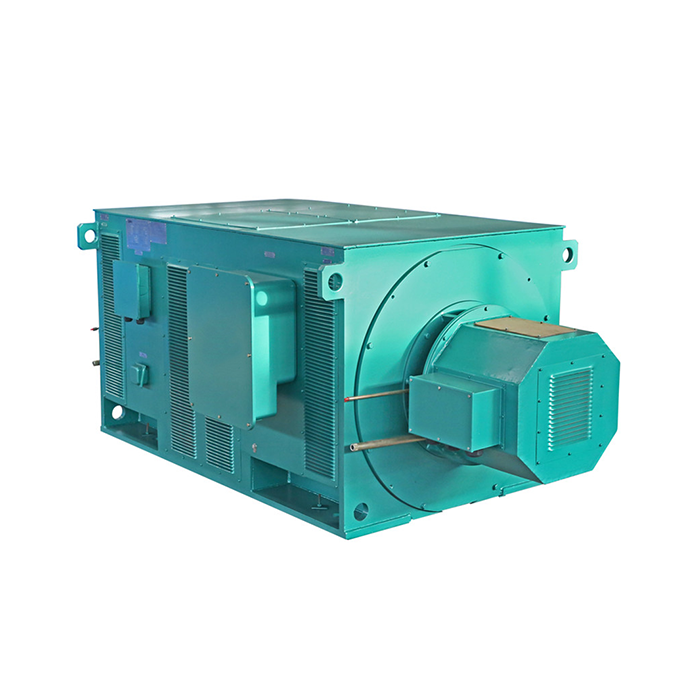 VIEW MOREYR(IP23) series high voltage wound rotor three-phase asynchronous motor
 VIEW MORE72 inch butterfly valve
 VIEW MOREbutterfly valve full lug type
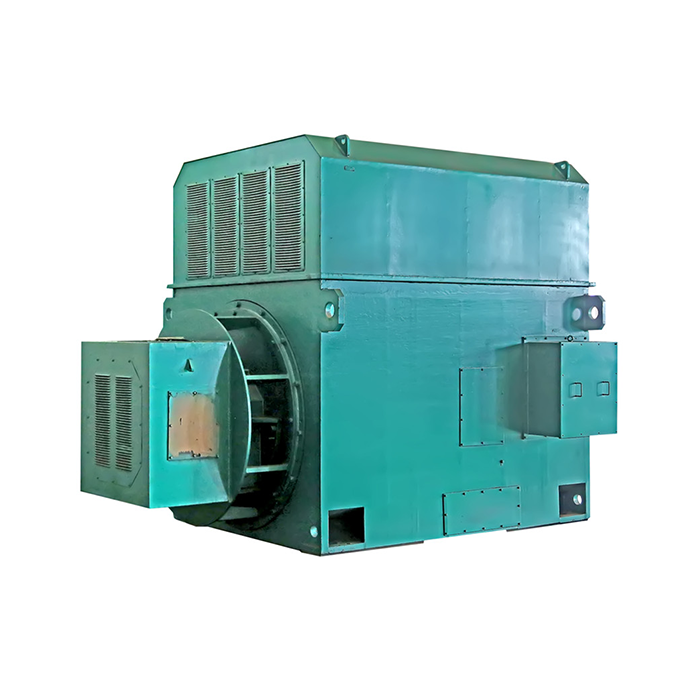 VIEW MOREac slip ring induction motor
 VIEW MOREinverter duty motor
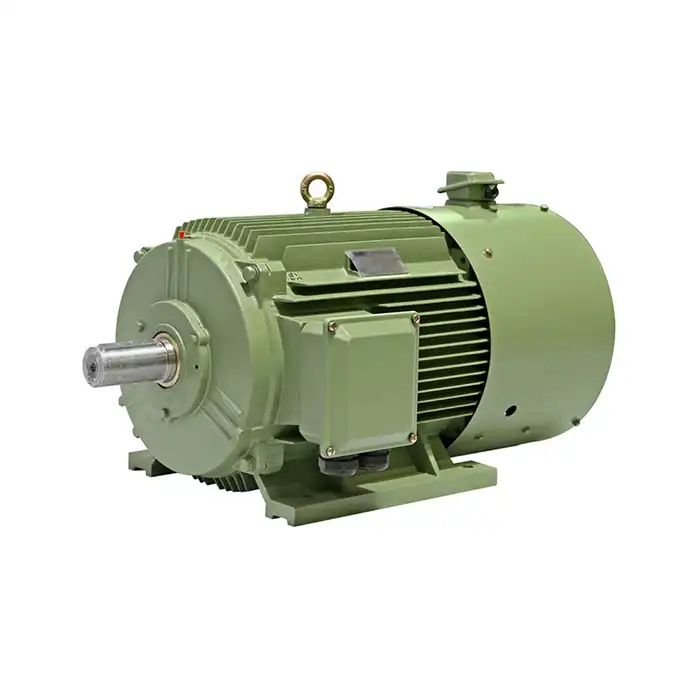 VIEW MORE3 hp inverter duty motor
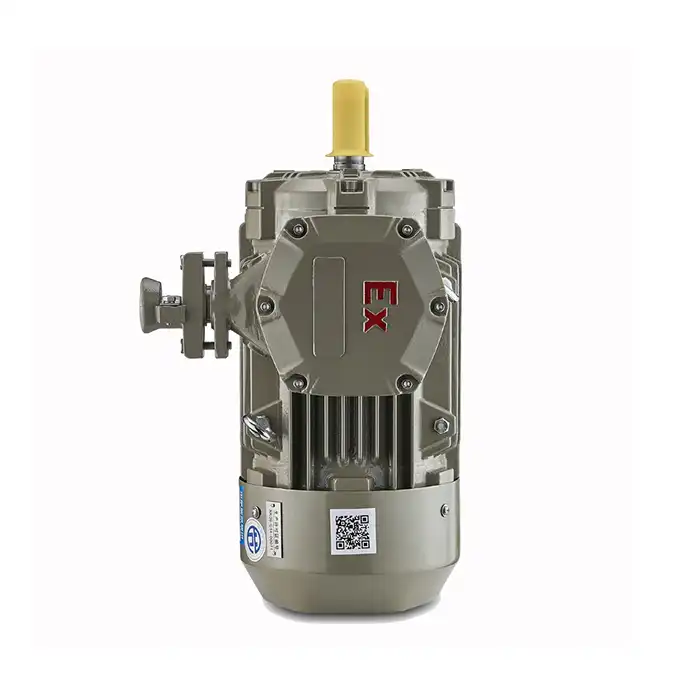 VIEW MORE5 hp explosion proof motor
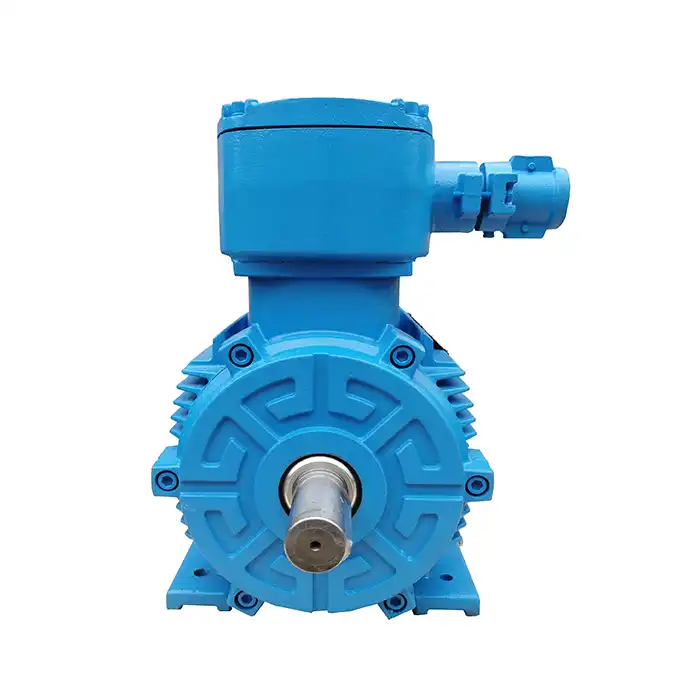 VIEW MOREex eb motor