



How to Choose IEC Low Voltage Motors for Industrial Applications
It's not enough to just match the specs when choosing a motor; you need to make sure that your production line runs easily for years. When picking out IEC low voltage motors, you should think about how much power they will need, how they will affect the world, and how well they will work. First, figure out what your load is and what your job cycle is. The motor's power level should match the needs of your tools. It usually ranges from 0.75kW to 1000kW. For dirty or wet areas, protection levels like IP55 might be a good choice. Also, make sure that the efficiency scores match your goals for saving energy. The right choice cuts down on downtime, lowers running costs, and makes sure that foreign standards are met.
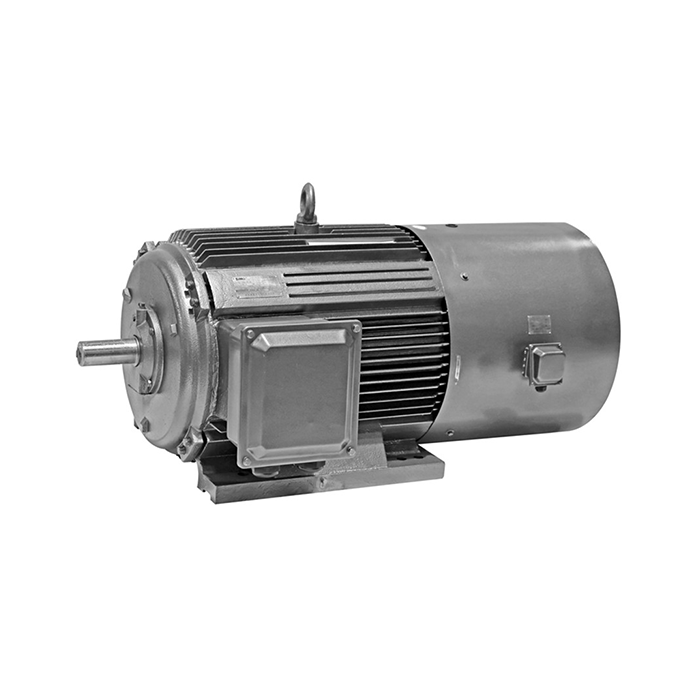
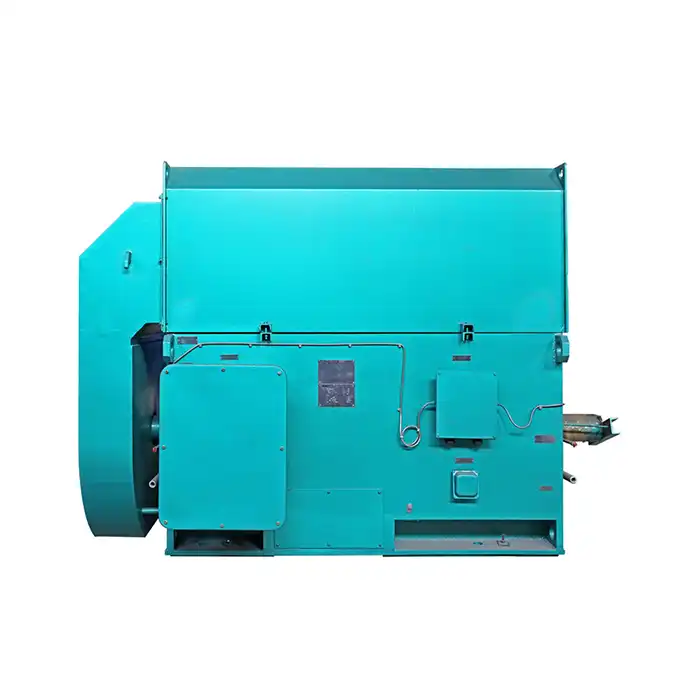
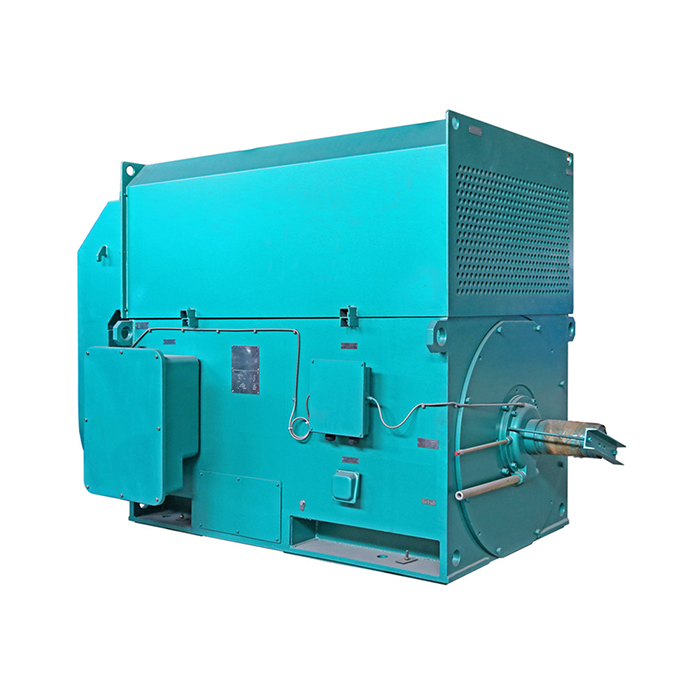
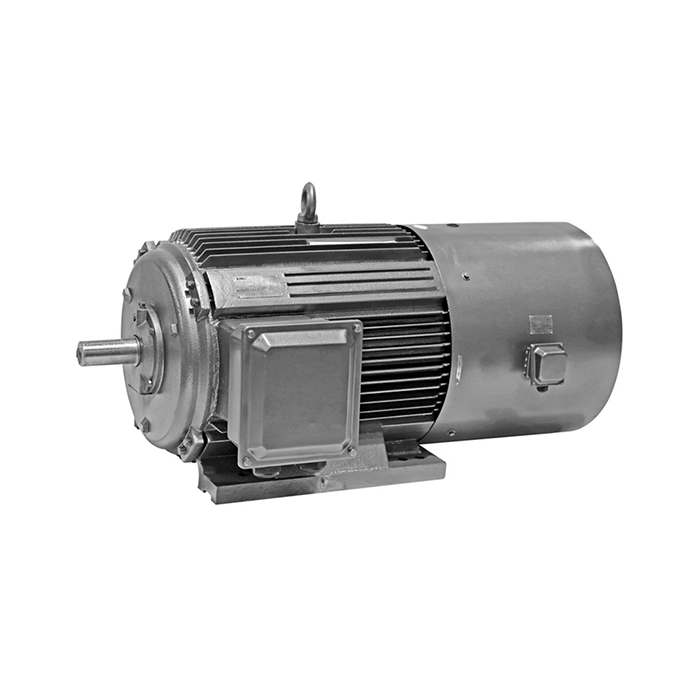
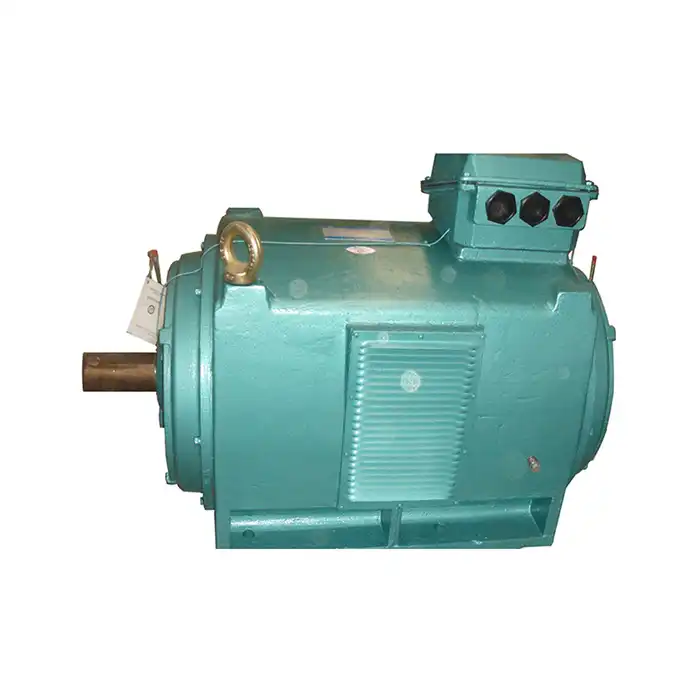
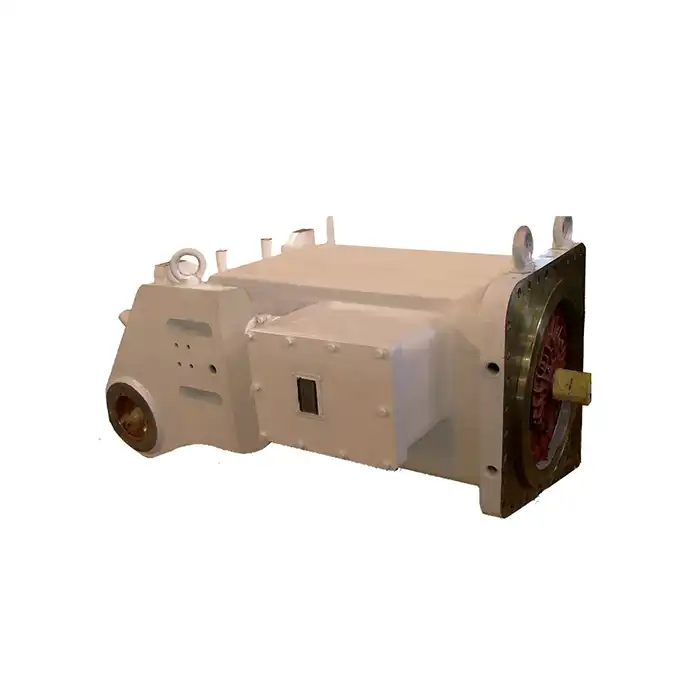
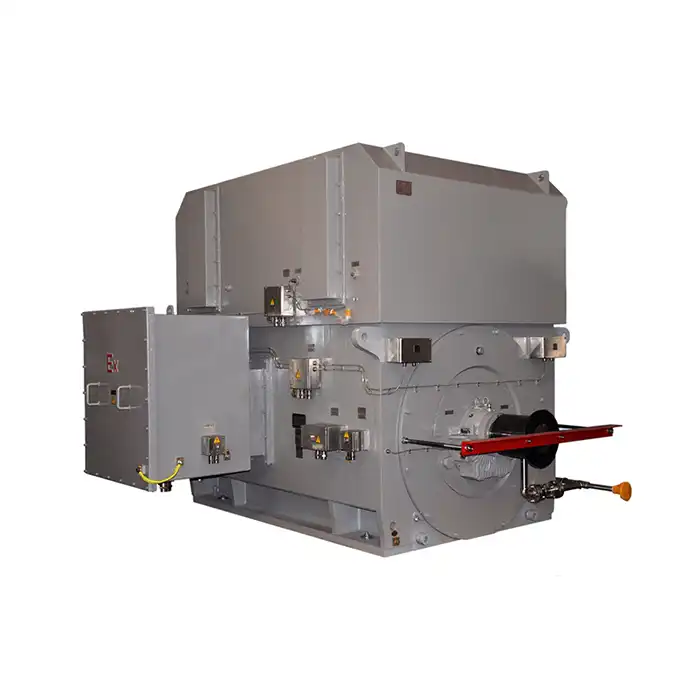
Series:YVFE4
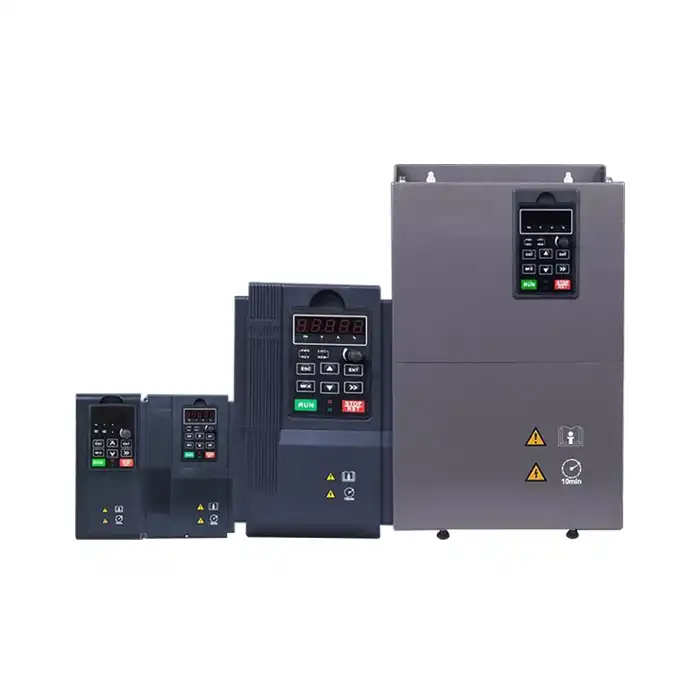
Frequency conversion range:30hz~50hz,5hz~70hz,5hz~100hz
Power range:0.75-1000kW
Protection level:IP55
Application:are suitable for driving various mechanical equipment that require continuous and frequent forward and reverse rotation, such as steel rolling, lifting, transportation, machine tools, printing and dyeing, papermaking, chemicals, textiles, pharmaceuticals, etc., and can be used with various domestic and foreign variable frequency power supplies.
Advantage:high efficiency, wide speed range, high precision, stable operation, and easy operation and maintenance.
Certificate:installation dimensions comply with International Electrotechnical Commission (IEC) standards.
Others: SKF, NSK, FAG bearings can be replaced according to customer requirements.
Understanding IEC Low Voltage Motors: Basics and Key Features
Modern factories in the production, energy, and robotics sectors depend on motors that are made to IEC standards. Standardized units like these work with powers between 220V and 690V, so they can be used in many situations without needing special electrical equipment.
What Makes IEC Standards Important?
The International Electrotechnical Commission sets technical standards for motor design, safety rules, and performance measurements. If your equipment meets the standards in the IEC 60034 series, it will work well with foreign supply chains and follow safety rules in many different areas. This standardization makes it easier to buy things, repair things that break, and do upkeep.
Common Motor Types and Configurations
Industrial setups mostly use squirrel cage induction motors because they are strong and don't need much upkeep. Copper windings in these units make them more conductive, and precision-balanced blades make them run smoothly even when they're on constant duty. Cast iron frames are used in heavy industrial settings, while metal frames are used when weight reduction is important. High-grade electrical steel laminations are now used in modern IEC motors to cut down on energy waste and improve thermal control.
Efficiency Classifications You Should Know
From IE1 to IE4, the efficiency classes for IEC low voltage motors show how well motors convert electrical energy into mechanical work. IEC low voltage motors with IE4 rating, like our YVFE4 line, achieve premium efficiency and consume significantly less power. Upgrading to higher efficiency ratings for IEC low voltage motors can reduce annual energy costs by 15–30% in continuously operating applications. This makes the initial investment in IE4 IEC low voltage motors recoverable within two to three years through energy savings alone.
Key Criteria for Selecting the Right IEC Low Voltage Motor
When picking motors, you have to weigh a lot of technical factors against how you plan to use them. Everything from your electricity costs to how often repair crews need to come in depends on how well you make this choice.
Matching Power and Load Requirements
Your motor needs to be able to handle both the mechanical load and the way it is used. For machines that need to keep turning forward and backward all the time, like steel rolling, moving equipment, or printing machines, you need motors with certain torque properties. Our motors can handle a wide range of mechanical needs by delivering torques of up to 6500 Nm and speeds ranging from 750 to 3000 rpm. When using tools with variable frequency drives, make sure the motor can handle the frequency conversion range, which could be 30Hz to 50Hz for normal tasks or 5Hz to 100Hz for more complex ones.
Environmental Protection Features
Protection grades for IEC low voltage motors tell where motors can safely work. With IP55 protection, IEC low voltage motors handle dust and water jets for most industrial settings. For better safety, chemical plants and outdoor sites may need IP56 or IP65 rated IEC low voltage motors. Insulation class also matters for IEC low voltage motors. Class F insulation handles 155°C; Class H handles 180°C for longer life in hot places. Ambient temperature ratings for IEC low voltage motors range from -20°C to +40°C, with special designs for harsher conditions.
Construction Quality and Component Selection
Reliability and repair times are directly affected by the quality of the bearings. Bearings from companies like SKF, NSK, or FAG are used in high-end motors. The exact brands used can be chosen by the customer. These parts allow the machine to run for longer periods of time between repair rounds, which cuts down on unplanned downtime. Cast iron frames last longer in harsh settings, while metal frames are lighter and better for mobile equipment or installs on roofs.
Performance Characteristics That Matter
When you think about noise levels and vibrations, you should also think about the raw power output. Precision-balanced wheels keep vibrations to a minimum, which keeps equipment attached from wearing out too quickly. Temperature rise traits, which are usually Class B, show how motors deal with heat stress while they're running. All of these things work together to show whether a motor is best for steady duty or occasional operation patterns.
Comparing IEC Low Voltage Motors to Alternative Options
Knowing how the different motor standards stack up against each other can help you make smart purchasing choices, especially when buying tools from other countries or improving systems that are already in place.
IEC Versus High Voltage Alternatives
High voltage motors are used in large-scale activities that need more than 1000kW of power, like cement plants and mines. Specialized equipment, trained staff, and stricter safety rules are needed for them. IEC low voltage motors are more adaptable, easier to set up, and can be used in more fields, from medicines to food processing. Their power range of 220V to 690V works with common industrial electrical systems, which cuts down on the cost of building new infrastructure.
IEC and NEMA Standards Compared
NEMA motors are most common in North America, while IEC motors can be used anywhere in the world. Frame sizes vary between standards, which changes how they are mounted and how they are replaced. IEC motors usually have more detailed efficiency ratings and are accepted around the world more easily. IEC-compliant motors make logistics easier and make sure that facilities in different countries meet the same performance standards when doing business abroad or getting supplies from a variety of providers.
Manufacturer Considerations
Quality changes a lot from one provider to the next. Well-known companies keep strict testing procedures, lots of paperwork, and reliable customer service after the sale. Shaanxi Qihe Xicheng Electromechanical Equipment Co., Ltd. (XCMOTOR) goes through a lot of steps to make our motors. These include finding the right parts and making sure they are of good quality, putting together the stator and rotor, winding and insulating them, casting and milling the frame, and finally putting them all together and testing them. This careful attention to detail makes sure that every unit works properly and meets the requirements for its service life.
Practical Guide to Purchasing IEC Low Voltage Motors
There's more to smart buying than just checking prices. You need to look at the total cost of ownership, which includes the supplier's skills, shipping times, and support services.
Sourcing from Qualified Suppliers
Make sure that the providers you're looking at offer certified motors that meet IEC standards and have the right licenses for each market, such as GOST. Full specs, wiring diagrams, and performance curves should all be included in clear technical paperwork. Reliable sellers give test certificates and make it easy to track down important parts. Ask the seller for examples from similar projects and make sure they can meet your volume needs.
Understanding What Affects Prices
Price of motors depends on frame size, grade for efficiency, quality of building, and number of orders. Premium efficiency motors cost more up front, but they save you money in the long run because they use less power. Custom designs, such as special bearings, non-standard voltages, or higher safety levels, raise the base price but may be necessary for some uses. When you buy in bulk, you can usually get better unit prices, so it's smart to stick with the same types for multiple installs.
Lead Times and Delivery Options
Standard setups usually ship within a few weeks, but special specs may need more time to be made. Plan purchases around project plans, taking into account how long shipping takes and how long it takes to clear customs when importing. Some sellers offer faster choices for replacements that need to be done right away, but they charge more. Keeping in touch with dependable sources who keep popular configurations in stock cuts down on downtime when things go wrong without warning.
Warranty and Help Services
A full warranty for IEC low voltage motors covers your investment against manufacturing defects and premature failures. Make clear what the warranty for IEC low voltage motors covers. Parts, labor, and shipping costs vary significantly between IEC low voltage motor suppliers. After-sale support for IEC low voltage motors includes technical help for installation, troubleshooting advice, and spare parts availability ensuring continuous operations. We offer specialized support seven days a week for IEC low voltage motors, responding quickly to technical questions and service requests for your IEC low voltage motor.
Maintenance and Troubleshooting Tips for IEC Low Voltage Motors
Motors last longer and don't break down as often when repair is done before they break down. Motors work well for decades as long as these places are regularly checked and fixed.
Routine Maintenance Protocols
Motors should be cleaned often so that dust doesn't build up and stop them from cooling. Every three months, check the alignment of the coupler and fixing bolts to catch any loosening before vibrations cause damage. Follow the manufacturer's instructions for lubricating bearings. Too much grease can cause just as many problems as not enough. Keep an eye on the bearing temperature while it's in use; rises of 10 to 15°C above the normal level usually mean that failure is close. Every year, use a megohmmeter to test the insulation resistance between the windings and to ground. Insulation that is breaking down lets current leak out, which causes the coils to fail.
Common Issues and Solutions
A lot of the time, strange noises mean that a bearing is worn, misaligned, or the rotor isn't balanced. Take care of these problems right away—continuing to run the business speeds up damage to related equipment. Overheating can happen when there isn't enough air flow, when there is too much load, or when there are power differences between stages. Check the voltage at the motor connections to make sure the supply is adjusted to within ±2%. Overload safety that trips means that the size is wrong, there is mechanical locking, or the windings are wearing out. Instead of just restarting, look into the cause before you reset.
Leveraging Technical Documentation
For each installation, keep wire diagrams and connection drawings. These papers are very helpful when trying to figure out what's wrong and keep wiring mistakes from happening during repair. To set a standard for performance, write down the working factors, such as the current draw, temperature, and vibration levels. Deviations from these baselines show problems are starting to happen early. When problems happen, skilled suppliers can often figure them out from a distance based on accounts of the symptoms, which speeds up fixes.
Real-World Performance Optimization
When manufacturing plants use preventive maintenance plans, unexpected downtime drops by 40 to 60 percent. Chemical companies that use vibration tracking can find bearing failures weeks before they cause major damage. This means that parts are replaced during planned shutdowns instead of emergency stops. When motors in HVAC systems are kept clean and properly oiled, their work lives can go beyond 20 years. These results show that investments in maintenance pay off by keeping things running smoothly.
Conclusion
To choose the right motors, you have to weigh the technical specs against the needs of the job and the conditions of the surroundings. IEC low voltage motors provide stable and efficient power to a wide range of businesses, from making cars to treating water. Some important things to look for when choosing a power supply are power rates that match the load needs, protection levels that match the surroundings, and efficiency classes that match sustainability goals. High-quality construction with balanced wheels and premium bearings makes sure that the machine lasts a long time and needs little upkeep. Get your supplies from reputable companies that offer full support, reasonable wait times, and clear guarantees. Set up regular repair schedules to get the most out of your equipment and make it work more efficiently. These factors help people make smart choices about what to buy, so they can get the best results while keeping total ownership costs low.
FAQ
1. How Do I Correctly Size an IEC Motor for My Equipment?
Figure out how much mechanical force is needed, including the torque needed for starting and the torque needed for running at the working speed. Add safety gaps of 15 to 20 percent to account for changes in the load and the surroundings. Match the motor power rates to these figures and make sure the duty cycle matches your operating pattern. For example, if you operate at a constant frequency, an intermittent frequency, or a changing frequency, the duty cycle will be different.
2. What Efficiency Class Should I Choose?
Motors with higher efficiencies lower running costs but cost more. Find the return times by weighing the amount of money saved on power against the costs of the project up front. IE3 or IE4 grades are usually good for places that use motors for more than 4,000 hours a year. IE2 motors may be more cost-effective in the long run for applications with shorter run times.
3. Can IEC Motors Replace NEMA Motors Directly?
Frame sizes and fastening arrangements vary between standards, which makes straight replacement difficult most of the time. Before thinking that they can be used interchangeably, check the dimensions, shaft specs, and mounting hole designs. There are adapters for some size pairs, but they might make alignment and fitting more difficult.
Partner with XCMOTOR for Your Motor Requirements
XCMOTOR offers reliable power options backed by technical know-how and helpful customer service. Our IEC low voltage motors range from 0.75kW to 1000kW and have a frequency range of 5Hz to 100Hz. They are also IE4 efficient and protected by IP55. In businesses like textiles, medicines, transportation, and machine tools, these motors are perfect for hard tasks that need to keep rotating forward and backward. As a reliable provider of IEC low voltage motors, we keep common configurations in stock for quick shipping and can also make custom specs for unique needs. Get in touch with our engineering team at xcmotors@163.com to talk about your needs. We accept returns for 30 days, offer full guarantees, and provide help seven days a week.
References
1. International Electrotechnical Commission. IEC 60034-30-1:2014 Rotating Electrical Machines - Part 30-1: Efficiency Classes of Line Operated AC Motors. Geneva: IEC, 2014.
2. Boldea, Ion and Syed A. Nasar. The Induction Machines Design Handbook, Second Edition. Boca Raton: CRC Press, 2010.
3. De Almeida, Anibal T., et al. "Beyond Induction Motors—Technology Trends to Move Up Efficiency." IEEE Transactions on Industry Applications 50, no. 3 (2014): 2103-2114.
4. Andreas, Johann C. Energy-Efficient Electric Motors: Selection and Application. New York: Marcel Dekker, 1992.
5. Bonnett, Austin H. and Christian Yung. "Increased Efficiency Versus Increased Reliability." IEEE Industry Applications Magazine 14, no. 1 (2008): 29-36.
6. Chapman, Stephen J. Electric Machinery Fundamentals, Fifth Edition. New York: McGraw-Hill Education, 2011.