



Why a Medium Voltage Induction Motor Improves Energy Efficiency
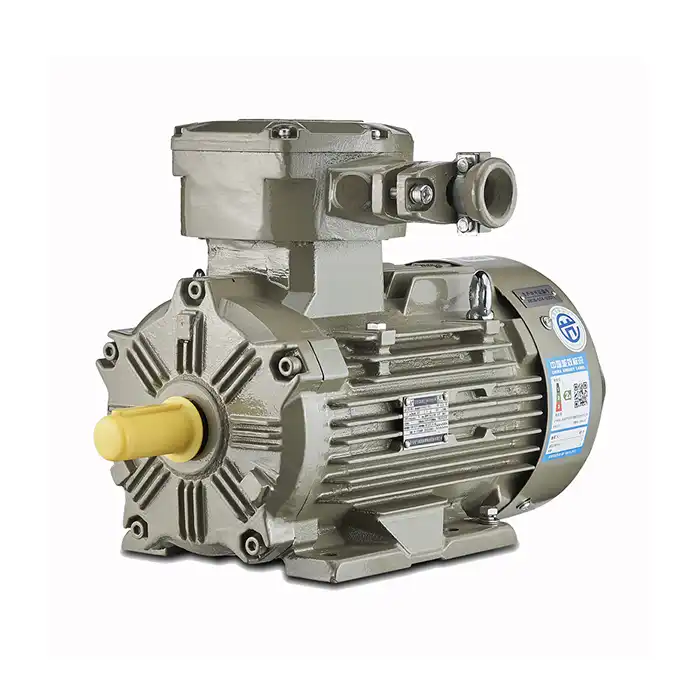
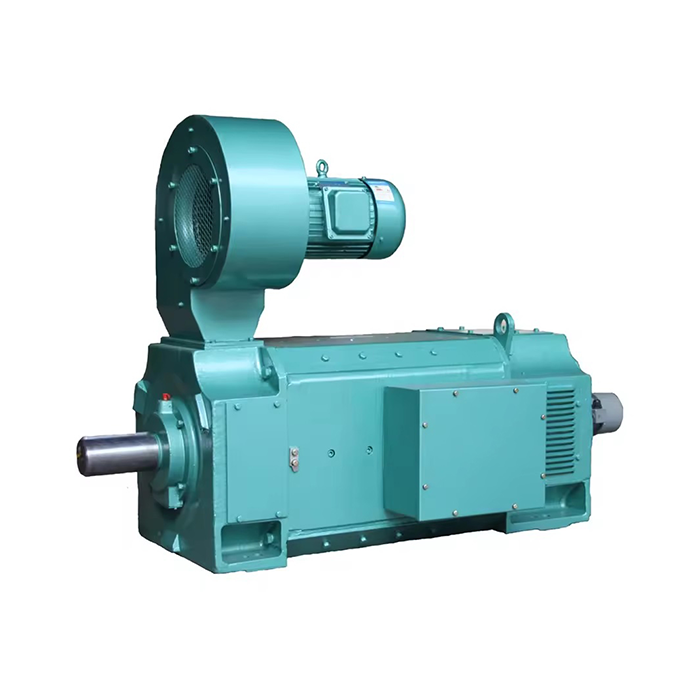
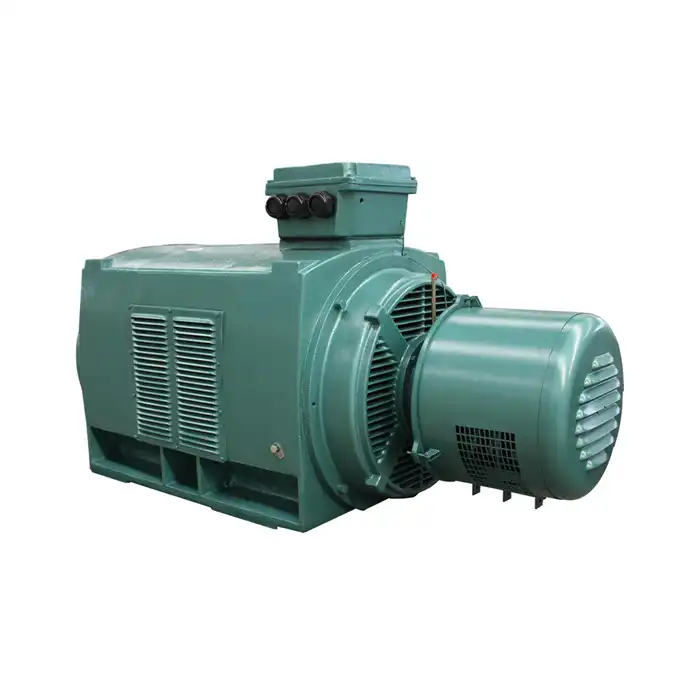
Energy costs make up a big part of running costs across all industries. This is why companies are looking for equipment that works reliably while using less energy. This problem can be solved by a medium voltage induction motor, which uses modern engineering to reduce electrical losses and increase power transfer. When working with voltages between 3kV and 11kV and power outputs between 185kW and 1800kW, these motors are very good at turning electrical energy into mechanical work. Their design includes high-quality materials, well-thought-out cooling systems, and precisely balanced parts that all work together to reduce energy waste. This makes them a smart purchase for businesses that want to be productive and save money.

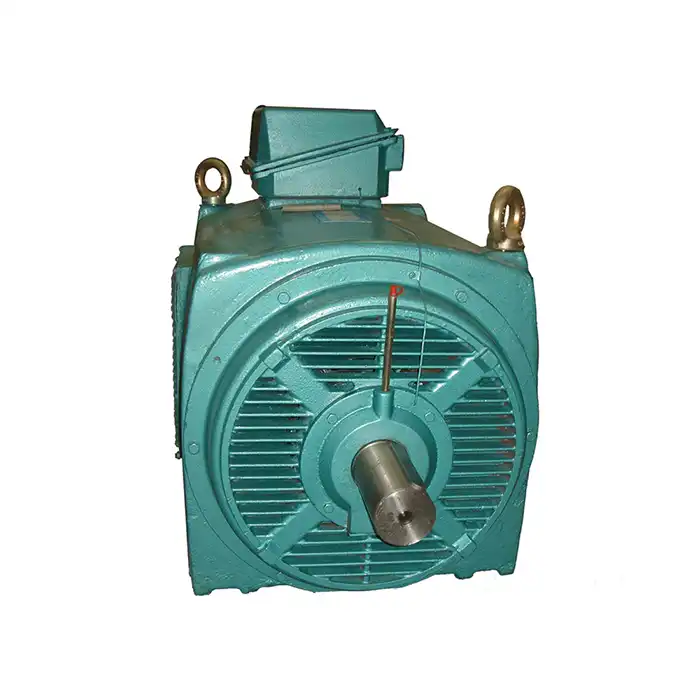
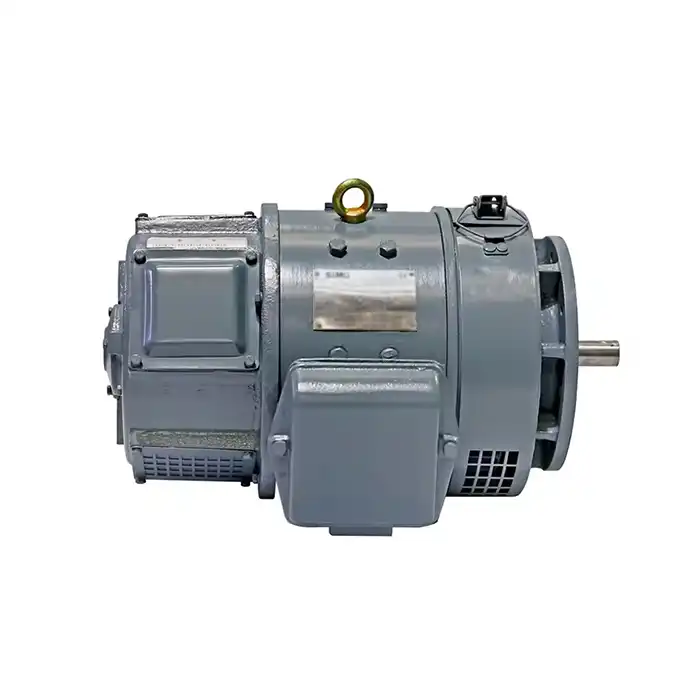
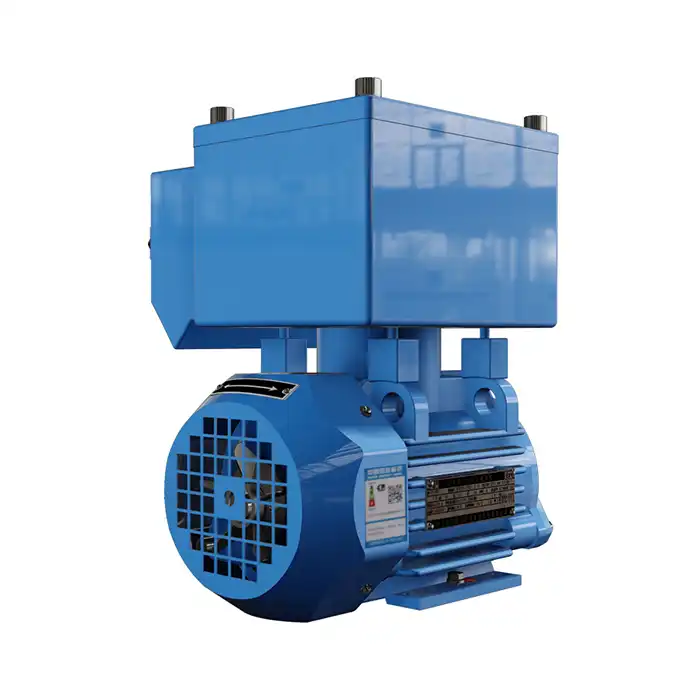
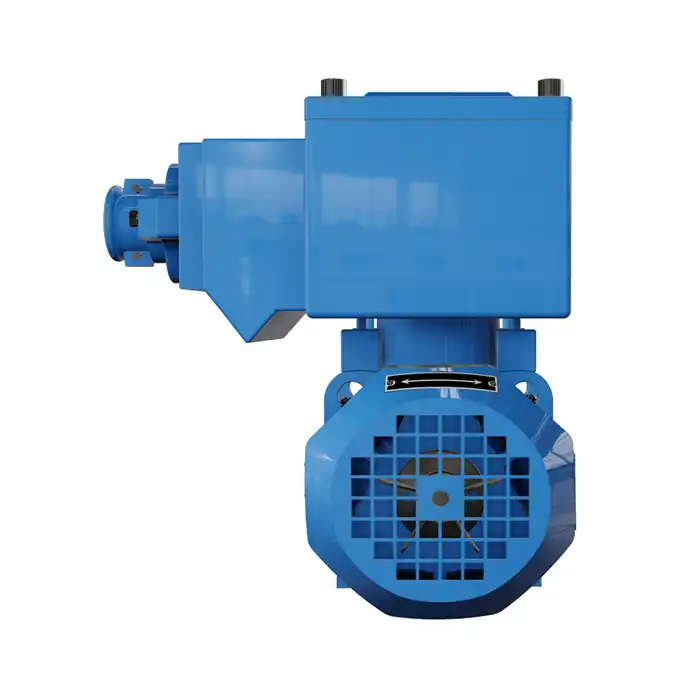
Series:YBBP-HV
Voltage range:3000V±5%,3300V±5%,6000V±5%,6600V±5%,10000V±5%,11000V±5%
Power range:185-1800 kW
Application:compressors, water pumps, crushers, cutting machine tools, transportation machinery.
Advantage: wide modulation range, high efficiency and energy saving, low noise, long life, high reliability.
Others: SKF, NSK, FAG bearings can be replaced according to customer requirements.
Understanding Medium Voltage Induction Motors and Their Energy Efficiency Advantages
Industrial processes need tools that can handle large amounts of power without slowing down or raising energy costs. Motors that work between 1kV and 35kV are in a technical area where lower voltages allow less current to flow while still delivering the same amount of power as lower voltage options. This basic electrical connection means that the cross-sections of the conductors are smaller and the system has less resistance loss.
How Voltage Range Influences Operational Efficiency?
The way voltage and current are related has a direct effect on how energy-efficient motor systems are. Our motors can work with voltages of 3000V±5%, 3300V±5%, 6000V±5%, 6600V±5%, 10000V±5%, and 11000V±5%, so they can be used with a variety of power grid setups. When the voltage is raised, the current draw goes down appropriately. This lowers the resistive warmth in the wires and windings. If there are a lot of wire runs between the power distribution and motor areas, copper losses would add up quickly. This effect is especially noticeable in those places.
Design Characteristics That Minimize Energy Loss
Well-designed rotors and stators enable efficient energy conversion. Quality copper windings minimize resistance losses during operation. Optimized rotor design ensures smooth rotation with minimal friction, preventing mechanical energy waste. Precision-balanced parts avoid vibration losses while cast iron frame provides structural stability maintaining alignment during continuous operation. These characteristics collectively ensure electrical input converts to mechanical output with minimal losses.
Thermal Management and Power Density Benefits
Superior thermal management keeps motors at peak efficiency under varying loads. IC416 cooling actively manages temperature distribution, preventing spikes that degrade insulation and increase resistance. Class F insulation withstands 155°C while operating at Class B temperature rise, providing thermal margin. This stability enables higher power density without performance compromise. Industrial buyers recognize consistent thermal performance directly correlates with long-term energy savings over equipment lifespan.
Core Design Features That Boost Energy Efficiency
Motor efficiency comes from choices engineers make on purpose that deal with specific loss processes. Every choice of component and design choice affects how well electrical energy is turned into useful motor work.
Advanced Rotor and Stator Engineering
Rotor-stator assembly is the heart of energy conversion. High-grade magnetic materials significantly reduce hysteresis and eddy current core losses. Precision manufacturing ensures optimal air gap for maximum magnetic coupling while lowering magnetizing current. Rotor design balances starting torque against running efficiency, delivering good starting performance without compromising steady-state energy use. Optimized stator winding configurations reduce harmonic losses and improve power factor for medium voltage induction motor.
Enhanced Insulation Systems for Longevity
Insulation quality directly affects motor lifespan and energy efficiency. Advanced protection keeps windings safe from electrical stress, moisture, and thermal damage. Quality insulation maintains dielectric properties throughout motor life, preventing leakage currents that waste energy and create hazards. The system enables continued operation at elevated temperatures without breakdown, delivering rated output even under severe thermal conditions. This ensures efficiency remains consistent over years rather than declining as insulation ages.
Cooling Technologies That Maintain Optimal Conditions
Effective cooling actively maintains peak efficiency. Rising conductor temperature increases electrical resistance, directly worsening losses. Our cooling keeps windings and core within optimal temperature ranges, minimizing resistance losses. The system manages heat during normal operation and load transients, preventing temperature swings that waste energy. Ambient tolerance from -20°C to +40°C delivers stable performance across regions without derating, ensuring full efficiency regardless of installation location for medium voltage induction motor.
Compatibility With Variable Frequency Drives
VFD integration unlocks energy savings opportunities for medium voltage induction motor. VFD support enables precise speed matching to process requirements, eliminating waste from throttling valves or mechanical speed reduction. Our motors accept DOL, soft start, or VFD starting methods, providing system design flexibility. Operating speeds include 3000 rpm, 1500 rpm, 1000 rpm, and custom options. When paired with VFDs, these motors maintain high efficiency across wide operating ranges, automatically adjusting energy consumption as process demands change.
Performance and Efficiency Comparison: Medium Voltage Induction Motor vs. Other Motor Types
When procurement managers know how different motor technologies work, they can make choices that balance the costs of capital investment with the costs of running the business.
Advantages Over Low Voltage Solutions
When dealing with large amounts of power, low voltage motors have built-in limits. For the same amount of power to be delivered, bigger wire sizes are needed, which raises the cost of materials and resistive losses. Over long distances, cable voltage drop becomes a problem, and expensive infrastructure investments are needed to keep power at motor connections. These problems are not a problem for our motors because they work at medium voltage levels. Less current needs mean that cables can be smaller and more cost-effective, and costs in the distribution system go down. Power levels ranging from 185kW to 1800kW are suitable for situations where low voltage motors would need to be installed in parallel. This makes system design easier and maintenance less complicated.
Total Cost of Ownership Considerations
The initial purchase price of a medium voltage induction motor is only one part of equipment costs. Energy consumption over a medium voltage induction motor lifetime is usually many times greater than purchase cost. Month after month, energy bills decrease when medium voltage induction motor efficiency improves. Less heat stress from lower losses makes medium voltage induction motor components last longer, reducing failures and replacements. Our medium voltage induction motor features cast iron frames and precision components maintaining alignment and balance, preventing efficiency drop from wear. IP55 standard protection (with IP56 and IP65 options) keeps contaminants from internal parts. These factors make total ownership cost lower for medium voltage induction motor.
Real-World Efficiency Under Varying Loads
Motor efficiency ratings usually show how well the motor works at its stated load, but in industrial settings, motors rarely work continuously at their nameplate capability. In places where demand changes, like compressors, water pumps, and breakers, partial load efficiency is very important. Our motors stay very efficient across their entire working range. This means they don't lose a lot of efficiency at low loads like some other types do. This stable performance profile makes sure that energy saves continue even when processes aren't running at full capacity. This means that the system is useful both when demand is high and when it's low.
Practical Applications and Maintenance Tips to Sustain High Efficiency
Choosing equipment that works well is only the first step. The right way to use it and keep it in good shape will keep its performance traits throughout its life.
Industry Applications Where Efficiency Matters Most
Industries that use a lot of energy benefit the most from motors that are very efficient. Motor efficiency has a direct effect on production costs in factories that use cutting machines and blowers for air systems. When water treatment plants use pumps all the time, their energy costs go down a lot because the pumps are more efficient. Power plants and green energy sites depend on motors for important backup systems whose performance impacts the overall output of the plant. Less energy use is good for transportation equipment, crushing activities, and process control equipment. Our motors are certified to meet the needs of these challenging uses with ISO 9001:2015, IEC 60034 compliance, CE marking, and CCC certification. This gives buyers peace of mind about quality and compliance with regulations.
Regular Maintenance Practices That Preserve Performance
Without proper care, even the most efficient motor will lose power. When things are inspected regularly, problems are found before they get worse and cause crashes or lost efficiency. Schedules for lubrication keep bearings working well by stopping friction increases that waste energy and cause wear to happen too soon. Customers can choose from SKF, NSK, and FAG bearings, depending on their preferences or the need to standardize their current inventory. Alignment checks make sure that the gear connection stays straight, which stops vibrations and extra mechanical losses. Checking electrical connections regularly stops high-resistance parts that make heat and waste electricity. Monitoring the resistance of insulation finds degradation early, so problems can be fixed before they happen.
Predictive Maintenance and Performance Monitoring
These days, maintenance plans go beyond regular times and focus on actions that are needed based on the state. Vibration analysis finds problems with alignment, imbalance, or worn bearings before they do any damage. Thermal imaging finds areas that could mean electricity or cooling system problems. Motor current signature research finds issues with rotor bars, windings, and loads that aren't working right. These predictive methods increase uptime and stop major breakdowns that hurt many parts at once. Trending performance data shows gradual drops in efficiency that mean upkeep or part changes are needed. This lets the motor keep performing at its best throughout its service life.
Making the Right Procurement Decision: Factors to Consider When Choosing Equipment
When choosing a medium voltage induction motor for critical industrial applications, procurement managers must consider many factors. For years to come, the medium voltage induction motor choice will affect operating costs, maintenance requirements, and production reliability. Selecting the right medium voltage induction motor ensures long-term operational success.
Evaluating Efficiency Ratings and Certifications
Claims of efficiency don't mean much without normal tests and confirmation by a third party. Check out motors that have been tested according to IEC 60034 standards. These set out testing methods that make sure results are uniform and easy to compare. Our certificates show that we meet well-known standards for quality and efficiency. Ratings of efficiency should be based on real-world working conditions, not artificial lab situations. Think about the altitude rating if your facility works above 1000m, because thin air makes cooling harder and may need derating. The surroundings should be taken into account when choosing a protection class (IP55, IP56, or IP65) to stop problems with ingress that hurt performance and dependability.
Customization Options for Specific Applications
Standard store items can be used for many things, but customizing them makes them work better for certain needs. Our motors can be set to speeds other than the usual 3000, 1500, and 1000 rpm, so they can be perfectly matched to the needs of the process. Voltage ranges from 3kV to 11kV so that different power distribution systems can use them without having to use transformers. The ability to choose from a variety of bearings makes it possible to integrate them with current maintenance plans and parts stock. Different types of control system designs can work with different starting methods (DOL, soft start, VFD). These customization choices make sure that the motor fits in with your facility without causing you to make system sacrifices.
After-Sales Support and Service Considerations
When you buy equipment, you build long-term ties with the providers. Check how quick the provider is, how well they can help with technical issues, and how readily available parts are. We offer specialized support seven days a week, including weekends, so that we can help when operating problems happen. Thirty-day return rules show that you trust the quality of the goods and protect the buyer's interests. When equipment needs to be replaced or extra units are needed, downtime is kept to a minimum by fast shipping and full product support. When comparing providers, you should think about the terms of the guarantee and the service packages that are available. These things have a big effect on the total ownership costs and operational risk.
Conclusion
Improving energy efficiency has benefits that build over the life of a motor, lowering power costs and helping to reach sustainability goals. Using medium voltage induction motors makes them more efficient by lowering the amount of power they need, designing better parts, and managing heat well. These efficiency traits will stay the same over years of tough industrial use thanks to high-quality materials, precise manufacturing, and strict quality control. Equipment designed to spend as little energy as possible is useful in many fields, from manufacturing and water treatment to making electricity and processing materials. If you choose, install, and take care of your equipment correctly, you can keep these benefits. This will help you get the most out of your investment and meet your production goals.
FAQ
1. What voltage range qualifies as medium voltage for induction motors?
Motors that work between 1kV and 35kV are usually considered medium voltage induction motors by industry standards, but in real life, equipment that works between 3kV and 11kV is more common. Our product line includes voltages of 3000V, 3300V, 6000V, 6600V, 10000V, and 11000V, with a tolerance of ±5%. This means that it can be used with a wide range of power distribution systems in factories around the world.
2. How do medium voltage motors compare with low voltage alternatives in efficiency?
Higher working voltages allow less current to flow while still delivering the same amount of power. This lowers the amount of resistance lost in the wires and windings. Because of this basic electrical connection, medium voltage induction motors are naturally more efficient. This is especially true in installations with long wire runs between power distribution points and motor locations, where copper losses add up quickly.
3. What maintenance practices sustain motor efficiency over time?
Regular checks, the right amount of grease, double-checking of the balance, and close attention to the electrical connections all help keep the efficiency levels high over the service life. Predictive maintenance methods, such as vibration analysis and thermal imaging, find problems before they get worse or break down, which increases downtime and keeps efficiency at its highest level.
Partner With XCMOTOR for Your Medium Voltage Motor Requirements
Choosing the right source for a medium voltage induction motor can affect how much it costs to run, how reliable the production is, and how well it works in the long run. XCMOTOR offers engineering knowledge and helpful customer service to make sure they give solutions that meet the needs of your particular application. Our motors have high-quality copper windings, improved insulation systems, and precisely balanced parts that keep them working efficiently even in the most difficult situations. We can meet the needs of a wide range of businesses, including those that make things, treat water, make electricity, and run processes, with power rates ranging from 185kW to 1800kW and voltages from 3kV to 11kV.
Our dedication goes beyond just delivering equipment; we also offer full technical help seven days a week, even on weekends. Our fast shipping, 30-day return policy, and ability to make changes to products make sure that your shopping experience is just as good as our products. Our team can help you find the best options for your building, whether you need standard configurations or custom specs for bearing brands like SKF, NSK, or FAG. Talk to our engineering team at xcmotors@163.com about your application needs and find out how partnering with the right medium voltage induction motor maker can save you money on energy costs and improve your business's performance.
References
1. National Electrical Manufacturers Association. "NEMA Standards Publication MG 1-2021: Motors and Generators." NEMA, 2021.
2. International Electrotechnical Commission. "IEC 60034-30-1:2014 Rotating Electrical Machines - Part 30-1: Efficiency Classes of Line Operated AC Motors." IEC, 2014.
3. Institute of Electrical and Electronics Engineers. "IEEE Standard 112-2017: Test Procedure for Polyphase Induction Motors and Generators." IEEE, 2017.
4. U.S. Department of Energy. "Energy Efficiency Standards for Electric Motors: Technical Support Document." DOE Office of Energy Efficiency and Renewable Energy, 2020.
5. Chapman, Stephen J. "Electric Machinery Fundamentals, 5th Edition." McGraw-Hill Education, 2012.
6. Bonnett, Austin H. and Soukup, George C. "Analysis of Rotor Failures in Squirrel-Cage Induction Motors." IEEE Transactions on Industry Applications, Vol. 44, No. 4, 2008.