




Medium Voltage Induction Motor Buyer's Guide for Industrial Plants
Choosing the right medium voltage induction motor for your industrial plant has a direct effect on how well it works, how much it costs, and how reliable its equipment is. Between 3 kV and 11 kV, these motors run important machines like compressors, water pumps, crushers, and conveyor systems in places like industry, energy production, and process control. Knowing what they can do, how they should be maintained, and what specs they need helps procurement teams make choices that meet production needs while also getting the most out of long-term value and reducing the risk of downtime in tough industrial settings.

Series:YBBP-HV
Voltage range:3000V±5%,3300V±5%,6000V±5%,6600V±5%,10000V±5%,11000V±5%
Power range:185-1800 kW
Application:compressors, water pumps, crushers, cutting machine tools, transportation machinery.
Advantage: wide modulation range, high efficiency and energy saving, low noise, long life, high reliability.
Others: SKF, NSK, FAG bearings can be replaced according to customer requirements.
Understanding Medium Voltage Induction Motors: Key Concepts and Benefits
Medium voltage induction motors work with voltages between 1,000 and 15,000 volts. They use electromagnetic induction to turn electrical energy into mechanical power. Because of how they work, they are very reliable for constant use in heavy-duty industrial areas. Compared to low voltage options, these motors can handle higher power loads with less current draw. This means that smaller wire cross-sections are needed, and the cost of long-distance cables is lower.
How Electromagnetic Induction Powers Industrial Operations?
When alternating current runs through the stator windings of an induction motor, it makes a spinning magnetic field that turns the rotor. This field makes current flow through the rotor's conductors, which creates force without any actual electrical links. Our motors have specially designed rotors that cut down on friction and wasted energy, so they can keep spinning smoothly even when the load changes. Premium copper windings reduce resistance losses as much as possible, which keeps heat production within safe limits over long periods of operation.
Core Advantages for Industrial Applications
These motors are chosen by factories for a number of useful reasons. Energy economy meets or beats international standards, which lowers costs and supports efforts to be more environmentally friendly. High reliability comes from strong construction with frames made of cast iron that can handle the bumps and vibrations that are typical in industrial settings. The advanced insulation system keeps the internal parts safe from electrical stress, which stops short-circuits and makes the product last longer than the usual number of repair rounds.
Fewer breaks in production mean less repair needs to be done. Precision-balanced parts keep vibrations to a minimum, which protects other gear and keeps bearings from wearing out. The IC416's cooling system effectively gets rid of heat, keeping the device running at its best rate from -20°C to +40°C. In businesses like manufacturing, mining, power generation, and petrochemicals, where downtime costs a lot of money, these motors power pumps, compressors, conveyors, and other processing equipment.
Voltage and Power Range Flexibility
Motors that can handle 3000V, 3300V, 6000V, 6600V, 10000V, and 11000V (each with a ±5% tolerance) can work with a wide range of power distribution systems without needing major infrastructure changes. Power levels between 185 kW and 1800 kW are enough for a wide range of equipment, from secondary pumps to main process drives. There are different speed choices, such as 3000 rpm, 1500 rpm, 1000 rpm, and custom designs, to make sure they work with the driven equipment. This means they don't need any extra gearboxes, which waste energy and make upkeep harder.
How to Choose the Right Medium Voltage Induction Motor for Your Plant?
To choose the best tools, you need to carefully compare technical factors with working needs and site conditions. This organized method stops mistakes that are too expensive and hurt performance or need to be replaced too soon. Matching the correct medium voltage induction motor to your business requirements ensures long-term reliability.
Evaluating Efficiency Class and Frame Size
Efficiency ratings for medium voltage induction motor directly impact energy consumption over service life. Higher efficiency medium voltage induction motor reduces electricity bills and heat generation. Frame size affects physical dimensions, mounting configuration, and thermal capacity. Oversized medium voltage induction motor costs more initially while undersized units may overheat at full load. Matching frame size to actual power requirements balances capital cost against operational reliability. Class F insulation with Class B temperature rise provides thermal margin extending medium voltage induction motor winding life.
Comparing Motor Types and Voltage Ratings
Induction medium voltage induction motor eliminates external excitation systems, simplifying maintenance versus synchronous designs. Synchronous medium voltage induction motor enables precise speed control and power factor correction but requires complex controls. Voltage rating selection considers cable costs, motor availability, and distribution system requirements for medium voltage induction motor. Higher voltages reduce current at equivalent power, enabling smaller conductors and reduced voltage drop. Motors matched to 6kV or 11kV distribution systems save transformer costs. Operations planning infrastructure upgrades should evaluate total system cost for medium voltage induction motor.
Matching Power, Torque, and Cooling Requirements
Accurate power calculation for medium voltage induction motor prevents underspecification causing overheating or overspecification wasting capital. Starting torque requirements determine if it can accelerate attached equipment without stalling. High-inertia loads like crushers need adequate locked-rotor torque from medium voltage induction motor. Cooling method selection for medium voltage induction motor depends on environment and available space. Air-cooled IC416 configuration eliminates water and associated maintenance. Dusty or high-temperature environments may require sealed medium voltage induction motor designs with external air-to-air heat exchangers.
Customization Options and Bearing Selection
Standard motors work for most uses, but some situations may need to be customized. To fit the needs of the placement, mounting setups, shaft configurations, and terminal box places can be changed. Bearing choice has a big effect on how often repair needs to be done and how reliable something is. Our motors can use SKF, NSK, or FAG bearings, depending on what the user wants. This lets them work with their current repair routines and spare parts stock. Premium bearing types increase the time between lubrication cycles and lower the number of unexpected repair events that cause delays in production.
Maintenance, Troubleshooting, and Performance Optimization of MV Induction Motors
Preventative maintenance keeps machines running longer and stops them from breaking down when they're least expected. Systematic inspection and tracking programs find problems as they start to happen, before they get worse and need expensive fixes. Implementing a robust strategy for your medium voltage induction motor fleet is essential for operational success.
Routine Inspection Protocols
Lubrication schedule must match bearing type and operating conditions. Over-greasing causes overheating and seal damage, while under-greasing accelerates bearing wear. Monitoring noise levels helps detect imbalance, misalignment, or bearing distress. Temperature measurement at bearing housings and frame surfaces identifies electrical or cooling issues before insulation damage occurs. Visual inspections can reveal physical damage, loose connections, and environmental contamination. Terminal box verification ensures electrical connections remain tight and corrosion-free.
Diagnosing Common Problems
Overheating typically results from restricted cooling airflow, excessive ambient temperature, voltage imbalance, or overload conditions. Cleaning cooling passages restores airflow; verifying supply voltage balance across phases prevents single-phase heating. Load monitoring ensures power draw remains within nameplate limits. Unusual noises or vibration indicate mechanical issues requiring immediate attention. Bearing noise suggests improper lubrication or contamination. Unbalanced rotors create vibration transmitted to support structures.
Implementing Condition Monitoring Technologies
Continuous monitoring systems track vibration, temperature, and electrical parameters in real time. These systems establish baseline operating characteristics and alert staff when measurements deviate from normal ranges. Predictive maintenance reduces unplanned downtime by scheduling repairs during non-production periods. Thermal imaging detects hot spots indicating electrical trouble or inadequate cooling. Ultrasonic testing reveals partial discharge in insulation systems. Oil analysis identifies contamination and wear particles in bearing lubrication.
Strategic Upgrades and Retrofit Opportunities
Targeted upgrades that make old motors more efficient and reliable can help them work better without having to be replaced completely. Using better shielding materials when rewinding can increase life and efficiency class. Getting better bearings lowers the number of times they need to be serviced. Installing variable frequency drives lets you control the speed for uses with changing load needs. This saves energy during times of low demand and protects the motor from rough starting conditions across the line.
Procurement Guide: How and Where to Buy Medium Voltage Induction Motors?
To get things bought, you need to know what the suppliers can do, how to tell if a product is good, and how much it will cost you in total, not just the initial purchase price. Investing in a high-quality medium voltage induction motor requires evaluating technical support and after-sales service.
Evaluating Supplier Capabilities and Support
Reputable medium voltage induction motor suppliers demonstrate expertise through application engineering, comprehensive documentation, and responsive after-sales service. Warranty terms reflect manufacturer confidence; standard coverage for it should extend twelve months with extension options for critical applications. Service agreements including preventive maintenance and priority repair reduce downtime risk. US-based inventory for medium voltage induction motor cuts lead times versus international sourcing. Established logistics networks minimize shipping damage for medium voltage induction motor.
Compliance with International Standards
It certified to IEC 60034 meets international performance and safety requirements. ISO 9001:2015 approval for medium voltage induction motor suppliers demonstrates quality management systems producing consistent products. CE marking indicates European safety compliance; CCC certification meets Chinese market requirements for medium voltage induction motor. Understanding NEMA versus IEC designation differences prevents medium voltage induction motor specification errors. North America follows NEMA standards while international markets follow IEC for medium voltage induction motor.
Cost Factors and Strategies for Comparing Prices
Purchase price represents only one component of medium voltage induction motor total ownership cost. Energy consumption over typical 20-year medium voltage induction motor service life often exceeds initial cost tenfold. Higher efficiency medium voltage induction motor commands premium pricing but reduces electricity expense. Lifetime cost calculations using actual operating hours and local utility rates reveal true economic impact of medium voltage induction motor efficiency differences. Customization adds it cost but may eliminate expensive field modifications.
Leveraging Distributor Partnerships
Distributors who have been around for a while offer more than just products. Having the right technical knowledge helps with application building and choosing the right motor. Having local stock cuts down on emergency substitute wait times. Service capabilities like overseeing installations, helping with commissioning, and teaching upkeep skills improve operating reliability. Building ties with knowledgeable sellers gives you tools for fixing and improving that go beyond simple transactions.
Technical Specifications and Installation Best Practices
When something is installed correctly, it sets the stage for effective function and a long expected service life. Paying attention to mechanical and electrical details during testing keeps problems from happening that hurt performance. Proper installation of a medium voltage induction motor is the foundation for reliable operation.
Critical Specification Parameters
Frame sizes, shaft heights, and mounting arrangements must match driven equipment and installation spaces. Foot-mounted units suit horizontal placements with rigid foundations; flange mounting works for vertical positions. Terminal box position should align with conduit runs. Electrical specifications include voltage rating, frequency, phase configuration, and starting method compatibility. Motors handle supply voltage variations within ±5% without performance degradation.
Foundation Design and Motor Alignment
Rigid foundations prevent vibration and maintain alignment under load. Concrete bases should extend beyond the equipment footprint with sufficient mass to damp vibrations. Grouting beneath mounting feet distributes loads evenly. Precise alignment between the motor and driven equipment prevents premature bearing failure. Laser alignment tools achieve greater accuracy than straightedge methods. Alignment procedures should also account for thermal growth at operating temperature.
Electrical Installation Requirements
Properly sized conductors based on current rating and run length prevent voltage drop from degrading performance. Termination quality directly affects connection reliability. Terminal connection torque specifications prevent loosening from thermal cycling. Phase rotation verification ensures correct rotation direction. Protection devices including circuit breakers and overload relays must coordinate with motor characteristics for proper fault clearing without nuisance trips during starting.
Cooling System Installation Considerations
Air-cooled units require unobstructed airflow around cooling surfaces. Manufacturer-specified clearances prevent hot air recirculation and reduced cooling effectiveness. External fans should direct air evenly across the motor surfaces. Facility ventilation systems must reject generated heat. High-temperature installations may require derating or supplemental cooling. Regular cleaning of cooling pathways prevents performance degradation.
Conclusion
Selecting industrial motors requires matching efficiency, frame size, insulation, and cooling to application needs. Proactive maintenance including vibration monitoring and oil analysis extends motor life and prevents costly unplanned downtime for 185–1800kW, 3–11kV motors. Working with informed suppliers who offer technical support, quality certifications, and quick service provides tools that help with practical success in ways other than just providing a medium voltage induction motor.
FAQ
1. What voltage range defines medium voltage motors?
Medium voltage equipment is made up of motors that need between 1,000 and 15,000 volts. Ratings of 3,000V, 3,300V, 6,000V, 6,600V, 10,000V, or 11,000V are usually given for commercial uses. This group sets them apart from low voltage motors (with 690V or less) and high voltage motors (with more than 15,000V). Medium voltage strikes a good mix between how well power is transmitted and how much protection is needed and how safe it is to do so.
2. How do induction motors differ from synchronous motors?
Induction motors use electromagnetic induction in the rotor wires, so they don't need any mechanical commutation or external stimulation. This design's simplicity cuts down on upkeep needs and raises trustworthiness. Synchronous motors keep their speed the same even if the load changes. They can also fix power factor problems, but they need more complicated control systems. Polyphase induction motors are better for commercial use because they have a higher starting torque, a better power factor, and a higher efficiency than single-phase types.
3. What factors determine motor efficiency impact on operational costs?
How much electricity a motor uses directly affects how well it works. When a motor runs for 8,000 hours a year and uses 500 kW, the costs vary a lot depending on how efficient it is. Even small gains in efficiency can cut the amount of energy used each year by thousands of kilowatt-hours. Over a normal 20-year service life, energy costs are much higher than the original cost of buying the motor. This makes evaluating efficiency a key part of lifecycle economics and operational budget planning.
Get Reliable Medium Voltage Induction Motor Solutions from XCMOTOR
XCMOTOR specializes in providing power equipment options that are specifically made for tough industrial uses. Our medium voltage induction motors, which range from 185 kW to 1800 kW, work reliably across voltage bands of 3 kV to 11 kV and power things like water pumps, breakers, compressors, and transportation equipment. We keep good links with reliable bearing sources like SKF, NSK, and FAG so that we can meet your needs. As a provider of medium voltage induction motors with a lot of experience, we offer full technical support, fast shipping, and committed customer service, including being available on the weekends. You can email us at xcmotors@163.com to talk about your needs and get a price that fits your budget and practical requirements.
References
1. Chapman, S. (2020). Electric Machinery Fundamentals. McGraw-Hill Education, New York.
2. Hughes, A. and Drury, B. (2019). Electric Motors and Drives: Fundamentals, Types and Applications. Elsevier, Oxford.
3. Nasar, S.A. and Boldea, I. (2018). The Induction Machines Design Handbook. CRC Press, Boca Raton.
4. IEC 60034 Standards Committee (2017). Rotating Electrical Machines Standards Compilation. International Electrotechnical Commission, Geneva.
5. Bonnett, A.H. (2019). Root Cause AC Motor Failure Analysis. IEEE Press, Piscataway.
6. Toliyat, H.A. and Kliman, G.B. (2018). Handbook of Electric Motors. CRC Press, Boca Raton.
YOU MAY LIKE
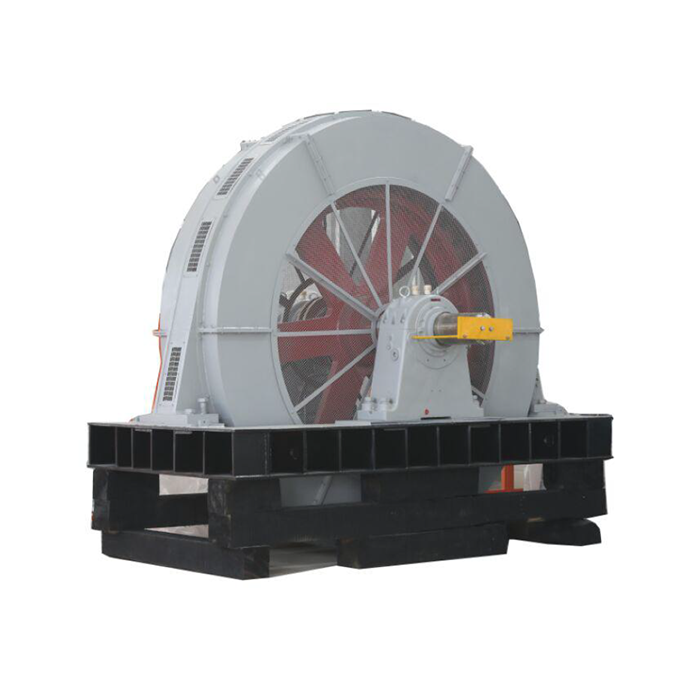 VIEW MORETDMK series synchronous motor
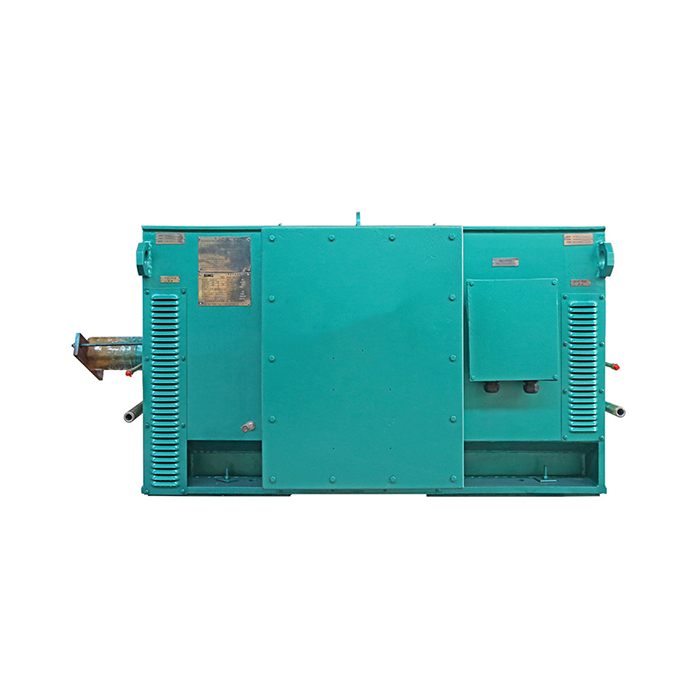 VIEW MOREY(IP23) series high voltage asynchronous motor
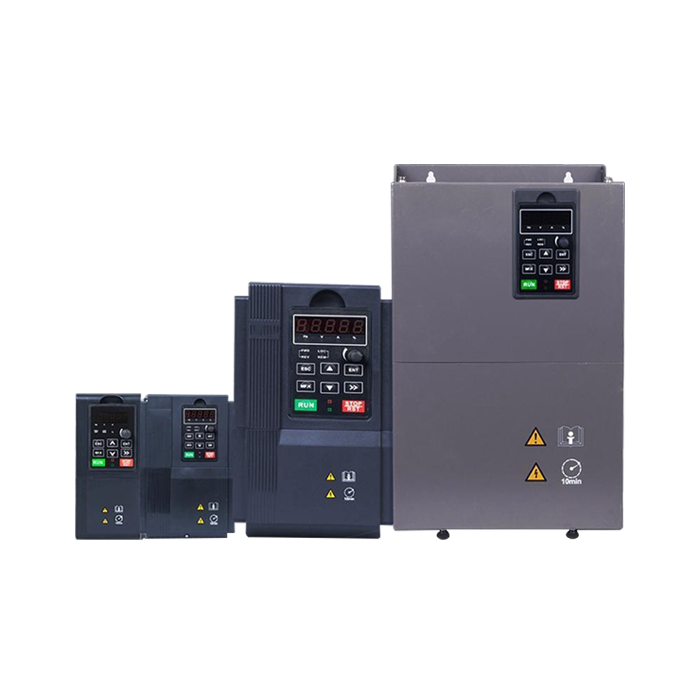 VIEW MORE15 hp vfd 3 phase
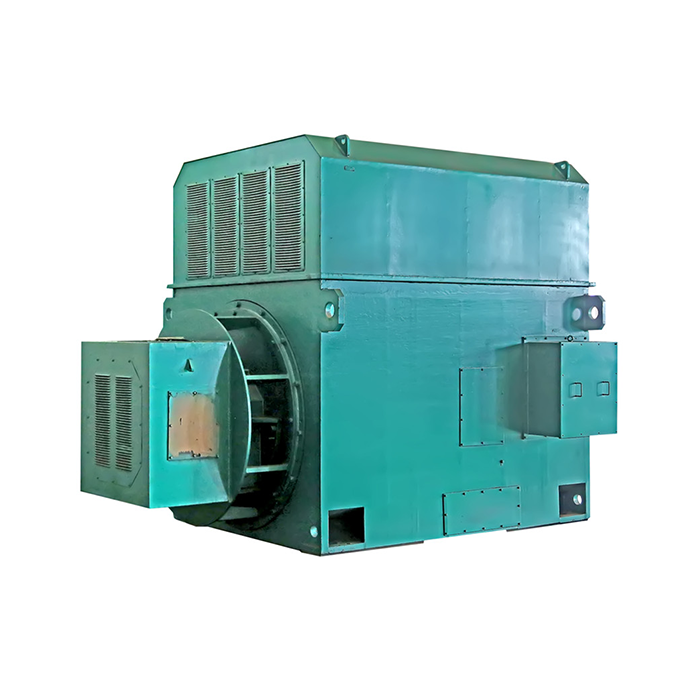 VIEW MOREac slip ring induction motor
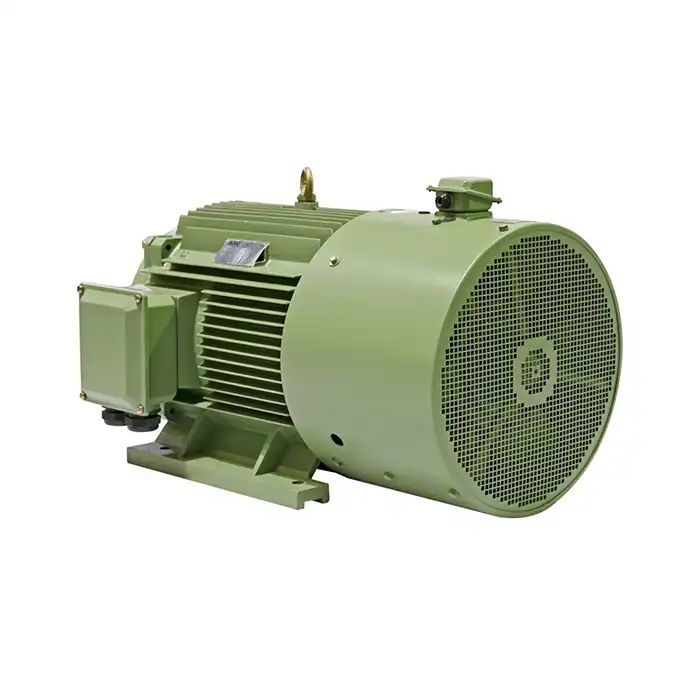 VIEW MORE5 hp inverter duty motor
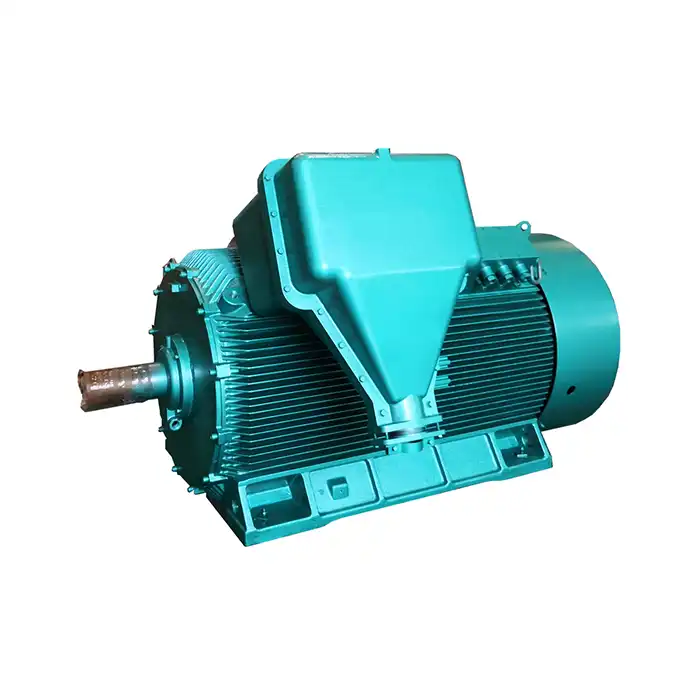 VIEW MORE3ph squirrel cage induction motor
 VIEW MOREYBS low voltage explosion-proof coal mine motor
 VIEW MOREYAKK high voltage increased safety motor