



Troubleshooting Vibration Issues in Explosion Proof AC Motor Applications
In dangerous industrial settings, vibration issues in explosion proof AC motor operations can make things less safe and more productive. When motors that are supposed to keep sparks and heat inside start to show strange shaking patterns, they put the safety cages they're in at risk, which could lead to an ignition risk in flammable environments. Taking care of shaking problems right away saves expensive equipment, keeps regulations in line, and keeps workers safe in places where flammable gases or dust particles are always a threat.
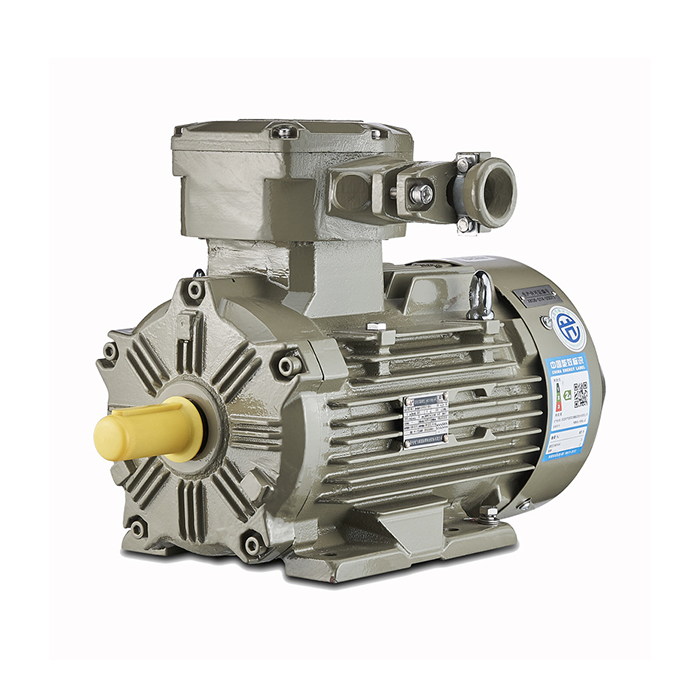
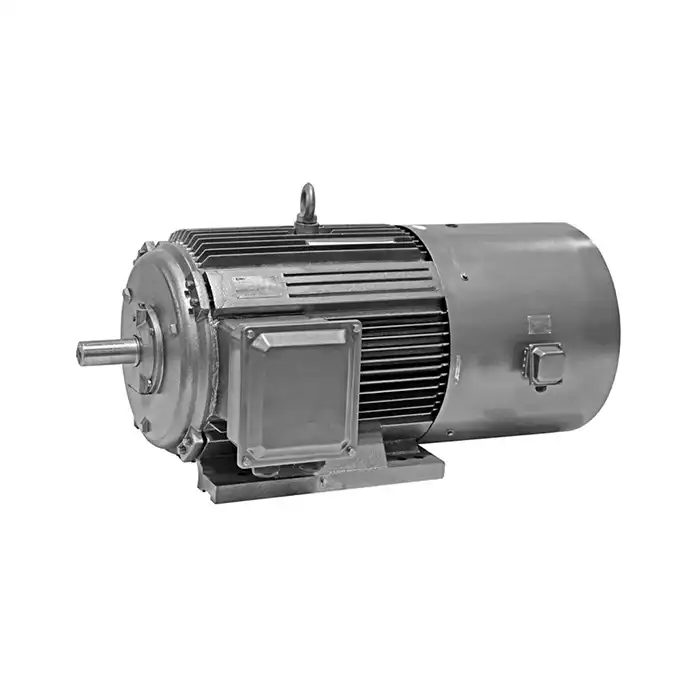
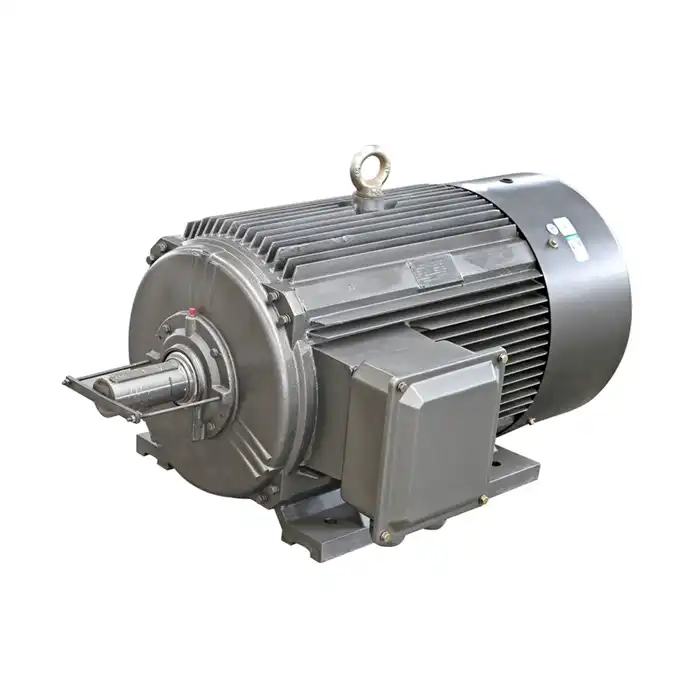
Series:YBX3
Voltage range:380V,660V,415V,380/660V,660/1140V
Power range:0.55-630 kW
Application:places where explosive gas mixtures exist in petroleum, chemical, mining, metallurgy, electric power, machinery and other industries.
Advantage: fully enclosed, self-fan cooling, squirrel cage type, high efficiency.
Explosion-proof mark: Ex d I Mb, Ex d IIB T4 Gb, Ex d IIC T4 Gb
Others: SKF, NSK, FAG bearings can be replaced according to customer requirements.
Understanding Vibration Issues in Explosion Proof AC Motors
What makes motors vibrate in dangerous places?
Explosion proof AC motor vibrates from mechanical imbalance when process materials build on fan blades. Misalignment between motor shafts and driven equipment creates radial forces. Worn bearings in explosion proof AC motor cause erratic motion worsening over time. Electrical issues including supply voltage imbalance create uneven magnetic forces. Rotor bar defects in explosion proof AC motor produce pulsating torque. Soft mounting surfaces allow explosion proof AC motor to rock during operation. Excessive belt tension drives natural resonance frequencies.
What effects vibration has on motor performance and safety?
Excessive vibration in explosion proof AC motor accelerates bearing race contact stress reducing lubricant effectiveness. Insulation systems around explosion proof AC motor windings undergo repeated flexing creating micro-cracks. Robust explosion proof AC motor casings may develop loose fasteners under prolonged vibration stress. Seal failures allow hazardous vapors into explosion proof AC motor housings. Temperature rises accompanying vibration may approach ignition limits. Ex d IIB T4 Gb rated explosion proof AC motor must maintain vibration below levels damaging flameproof joints.
Rules for how much vibration is allowed in dangerous places
IEC 60034-14 specifies vibration severity grades for explosion proof AC motor based on frame size. Type testing for explosion proof AC motor measures velocity across frequency bands. Ex d I Mb certified explosion proof AC motor for coal mines needs methane-appropriate vibration limits. Ex d IIC rated explosion proof AC motor for hydrogen service requires tighter construction tolerances. Procurement specifications for explosion proof AC motor should reference these standards. Understanding certification markings helps engineers select appropriate explosion proof AC motor for specific gas groups.
Systematic Troubleshooting Approach for Vibration Issues
Diagnostic Tools and Ways to Measure Things
Handheld vibration meters with triaxial accelerometers record amplitude data for explosion proof AC motor in three directions. These tools measure vibration velocity in mm/s comparable to ISO 20816 standards for explosion proof AC motor. Spectrum analysis identifies specific frequency components in vibration patterns. Bearing faults in explosion proof AC motor produce high-frequency energy at ball pass frequencies. Imbalance causes peaks at rotational speed. Phase analysis distinguishes between misalignment and looseness for explosion proof AC motor. Thermal imaging finds hot spots linked to electrical losses.
Using vibration signatures to find the root cause
Strong peaks at running speed frequency with high radial readings indicate rotor imbalance in explosion proof AC motor. Misalignment typically produces high axial vibration along with radial components at one and two times running speed for explosion proof AC motor. Looseness manifests as multiple harmonics with varying amplitudes between test sessions. Supply voltage imbalance in explosion proof AC motor creates vibration at twice line frequency. Broken rotor bars in explosion proof AC motor produce sidebands around rotation speed. Proper fault identification prevents unnecessary part replacement.
Corrective Actions: Alignment, Balancing, and Replacing Parts
Precision shaft alignment using laser reduces coupling stress on explosion proof AC motor bearings. Alignment errors for explosion proof AC motor should stay within 0.05 mm parallel offset. Dynamic balancing adds or removes weight at specific angles to correct rotor imbalance in explosion proof AC motor. Field balancing keeps vibration below 2.8 mm/s. Worn bearings require replacement with premium SKF, NSK, or FAG units meeting hazardous area approvals for explosion proof AC motor. Electrical corrections include phase balancing or harmonic filtering for explosion proof AC motor.
Case Study: How to Stop Vibrations in a Chemical Plant?
A pharmaceutical facility had a 55 kW explosion proof AC motor with 7.2 mm/s vibration above warning levels. Spectrum analysis showed peaks at running speed with strong axial components indicating misalignment. Laser alignment revealed 0.18 mm offset between explosion proof AC motor and pump shafts. Technicians adjusted explosion proof AC motor position achieving 0.03 mm alignment. Post-correction readings dropped to 1.8 mm/s for the explosion proof AC motor. This action preserved Ex d IIB T4 Gb certification and extended bearing life from six months to four years.
Comparing Explosion Proof AC Motors: Vibration Considerations
Variables in the design that affect the characteristics of vibration
Cast iron explosion proof AC motor housings offer better damping than fabricated steel options. Heavier, stiffer explosion proof AC motor construction reduces amplitude response to excitation forces. Dual-voltage explosion proof AC motor configurations create slightly different magnetic flux distributions. Frame size determines mounting stiffness for explosion proof AC motor. Smaller 0.55–7.5 kW explosion proof AC motor have higher natural frequencies less prone to resonance. Larger 75–630 kW explosion proof AC motor require careful foundation design. IE3 and IE4 explosion proof AC motor show improved electromagnetic design.
How Different Types of Motors Feel Vibrations?
Flameproof enclosure designs for explosion proof AC motor provide inherent vibration damping through increased housing mass. Fully sealed self-fan cooling in explosion proof AC motor eliminates external airflow turbulence as vibration source. Squirrel cage explosion proof AC motor reduces vibration more effectively than wound rotor options. Absence of slip rings and brush gear eliminates mechanical contacts causing wear-induced vibration. Die-cast rotor bars in explosion proof AC motor achieve excellent balance through precision manufacturing. Cast iron frames in YBX3 series explosion proof AC motor offer superior damping.
How Inverter Drives Affect Less Vibration?
Variable frequency drives for explosion proof AC motor eliminate mechanical shock from across-the-line starting. Controlled acceleration reduces stress on couplings for explosion proof AC motor. Speed adjustment capability allows explosion proof AC motor to avoid resonant frequencies. PWM voltage patterns introduce high-frequency current components exciting audible resonance in explosion proof AC motor structures. Proper VFD configuration including carrier frequency selection mitigates these effects. Ensure explosion proof AC motor temperature rise stays within T4 limits across intended speed range.
Maintenance Tips to Minimize Vibration in Explosion Proof AC Motors
Vibration monitoring programs that run on a schedule
Monitoring that is proactive finds problems before they become fails. During commissioning, take standard measures of vibration and record amplitude and frequency data at the motor bearings and mounting feet. Measurements taken every three months show patterns that show things are slowly getting worse, while checks done once a month are best for important applications where downtime can have very bad effects.
Maintenance teams should keep an eye on the trends in vibration rate across all bearing sites and look into any jumps of more than 25%. By keeping track of working factors like load level, ambient temperature, and process variables, correlation analysis can tell the difference between real degradation and measurement variability. Digital record-keeping systems make it easier to see long-term trends and help with predicted repair plans that find the best time to step in.
Best Practices for Lubrication and Bearing Care
Proper oil stops vibrations caused by bearings over the life of a motor. When you order one of our motors with premium SKF, NSK, or FAG bearings, you'll need to grease them every so often, depending on the speed and working temperature. For steady duty applications, this is usually every 4,000 to 8,000 hours. Too much grease causes too much drag and a rise in temperature, while not enough grease speeds up wear and makes vibrations caused by friction worse.
Only use lubricants that have been cleared for use on tools in dangerous areas and can handle temperatures between -20°C and +40°C. Most uses polyurea-based greases with an NLGI Grade 2 or 3 consistency, which are resistant to water and rust. When you're regreasing, you need to flush out the old lube through relief fittings to avoid overpressure that could damage seals or risk the integrity of the enclosure, which is an important part of maintaining your Ex-d certification.
Thoughts on Mounting and Installation
The shape of the foundation has a big effect on how vibrations travel and get amplified. All of the feet that touch the motor mounting surfaces should have flat, rigid support. Filling the gaps between the motor feet and the base with grouting materials spreads out the static and dynamic loads evenly. Let the grout dry completely before tightening the base bolts to the numbers given by the maker.
The choice of coupling strikes a balance between accommodating imbalance and isolating sound. Flexible jaw connections can handle small alignment mistakes and send only the smallest amount of reaction forces to the motor bearings. Make sure the connection balance meets the requirements of ISO 1940 Grade G6.3 for motors that run at speeds greater than 1,000 rpm. Check coupling elements on a regular basis for damage or wear that changes their dynamic properties and adds new sound sources.
Procurement Guide: Selecting Vibration-Resistant Explosion Proof AC Motors
Criteria for judging the development of specifications
Detailed specs are the first step in choosing motors that are very resistant to shaking. The power level should match the needs of the driven equipment with the right service factor range, which is usually 1.15 for steady loads and 1.25 for cyclic ones. Whether 380V, 415V, 660V, or dual-voltage setups are chosen relies on the power distribution infrastructure of the building and the goals of improving economy.
The standards for certification must exactly match the descriptions of dangerous areas. For gear that will be used in Zone 1 gas settings in petrochemical plants, it needs to be marked with either Ex d IIB T4 Gb or Ex d IIC T4 Gb, based on the type of gas present. For mining purposes, you need Ex d I Mb approval that is good for gas exposure. Check for ATEX compliance for sites in Europe or CCC approval for compliance in the Chinese market.
Frame size and fixing design for an explosion proof ac motor affect how flexible installation is and how much it shakes. Having standard IEC frame measurements for an explosion proof ac motor means frames from different makers can be used together, making replacement easier. Choosing the right protection class (IP55, IP56, or IP65) for an explosion proof ac motor depends on washdown frequency and environmental exposure. Higher ingress protection for an explosion proof ac motor usually means larger construction that helps reduce vibrations in the explosion proof ac motor.
Evaluation of Suppliers and Quality Control
Suppliers you can trust show their dedication by providing full expert help and high-quality documentation. At XCMOTOR, we give full test results for every motor that include readings of vibration, electrical performance, and certification compliance. Precision machining, wrapping with Class F or H insulation systems, and a lot of balancing steps that get the remaining unbalance below ISO 1940 Grade G6.3 limits are all part of our production process.
Long-term tremor stability is directly related to the quality of the manufacturing process. The heat processes we use on our cast iron frames relieve stress and keep them from warping while they're in use. Copper windings are impregnated with vacuum pressure, which covers them completely with protection that doesn't let water or other contaminants in. Customers can choose high-quality bearings from SKF, NSK, or FAG based on their needs. This lets the bearings be customized to fit specific working conditions or maintenance tastes.
Order logistics and customer service after the sale
When suppliers offer full help throughout the lifetime of tools, procurement efficiency goes up. We keep popular frame sizes in stock, ranging from 0.55 kW to 630 kW. This lets us send quickly, which keeps project delays to a minimum. Bulk buying programs offer discounts based on the number of units bought and make sure that the standard is the same across all of them. Longer warranty terms show that you trust the quality of the making and the dependability of the vibration performance.
Technical advice services help buyers figure out how to deal with complicated specifications and problems. Our technical team helps with choosing the right motor for the job, figuring out what the vibration study means, and suggesting what should be done to fix the problem. Having spare parts like bearings, capacitors, and terminal box parts on hand makes planning upkeep easier and cuts down on downtime when service is needed.
Conclusion
In dangerous industrial settings, vibration management in explosion proof AC motor uses safeguards lives, improves dependability, and keeps costs down. Using the right tools, root cause analysis, and focused corrective actions in a systematic way to fix problems quickly and keep the integrity of the certification is key. When you compare different design options and know how building details affect vibration traits, you can make smart purchasing choices that balance the original cost with the performance over the product's lifetime. Regular maintenance, like checking on them on a regular basis, ensuring they are properly oiled, and following strict installation procedures, keeps small problems from turning into expensive breakdowns. This keeps motors working reliably in tough environments like the mining, chemical, petroleum, and process industries.
FAQ
1. What are the most common reasons why cars in dangerous places shake?
The three most common technical reasons are rotor asymmetry or buildup of material, shaft misalignment between the motor and the equipment it drives, and bearing wear. Electrical problems can be caused by an uneven supply voltage, broken rotor bars, or problems with the stator windings. Problems with the installation, like soft fitting, bad grouting, or too much coupling strain, make the shaking worse.
2. How often should motors in dangerous environments be checked for vibrations?
Monitoring should be done every month for critical uses and every three months for general-purpose installs. During setup, newly installed equipment should be tested to set baselines. It should then be checked again after 30 days to find early installation problems. Any changes to the process or repair work should be followed up with more tests to make sure the vibration stays within acceptable limits.
3. Can changing frequency drives make explosion-proof motors less likely to shake?
VFDs allow for controlled acceleration, which gets rid of starting transients and lowers mechanical shock and transient shaking. Being able to change the speed lets you avoid key resonance frequencies. But PWM patterns can cause high-frequency electrical vibrations that need to be properly filtered out. Overall, drives that are set up correctly improve tremor performance while keeping temperatures within the range needed for T4 classification.
Partner with XCMOTOR for Reliable Explosion Proof AC Motor Solutions
To solve vibration problems, you need both good tools and professional help from experts. For challenging hazardous area uses in the mining, chemical, petroleum, and process industries, XCMOTOR provides certified, high-performance explosion proof AC motor products. Our YBX3 series motors, which range from 0.55 kW to 630 kW, are made of cast iron and have special bearings that can be customized to meet the needs of SKF, NSK, or FAG. They are also certified Ex d to meet ATEX and IECEx standards. We offer full expert support to help you choose vibration-resistant options that meet all of your specific operational needs. Get in touch with our team at xcmotors@163.com right away to talk about your needs and get personalized prices from a reliable explosion proof AC motor provider who cares about your success.
References
1. International Electrotechnical Commission. (2018). Rotating Electrical Machines - Part 14: Mechanical Vibration of Certain Machines with Shaft Heights 56 mm and Higher - Measurement, Evaluation and Limits of Vibration Severity. IEC 60034-14.
2. International Organization for Standardization. (2016). Mechanical Vibration - Measurement and Evaluation of Machine Vibration - Part 1: General Guidelines. ISO 20816-1.
3. Mitchell, J.S. (2020). Machinery Vibration Analysis and Predictive Maintenance in Hazardous Area Electrical Equipment. Industrial Press.
4. European Committee for Standardization. (2019). Equipment for Explosive Atmospheres - Part 1: Equipment Protection by Flameproof Enclosures "d". EN IEC 60079-1.
5. Scheffer, C., & Girdhar, P. (2021). Practical Machinery Vibration Analysis and Predictive Maintenance in Explosive Atmospheres. Elsevier Technical Publishing.
6. American Petroleum Institute. (2017). Vibration, Axial-Position, and Bearing-Temperature Monitoring Systems for Petroleum, Chemical, and Hazardous Area Applications. API Standard 670.