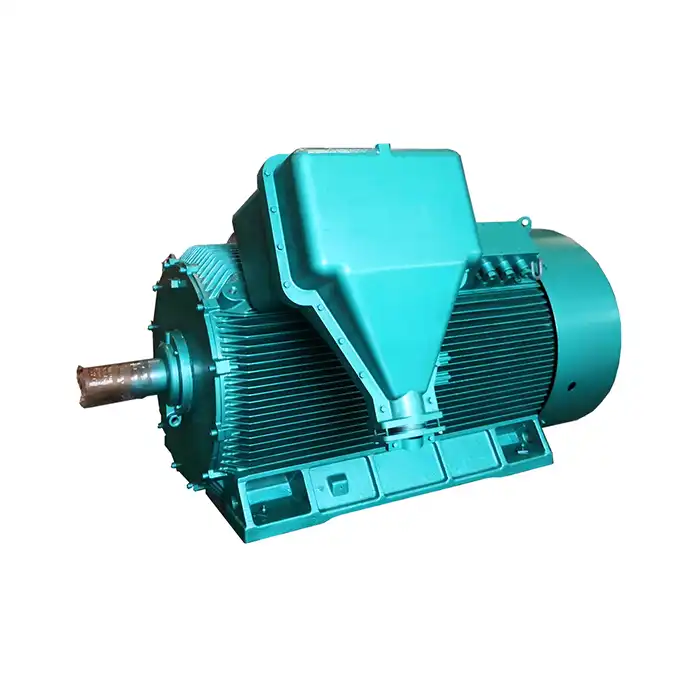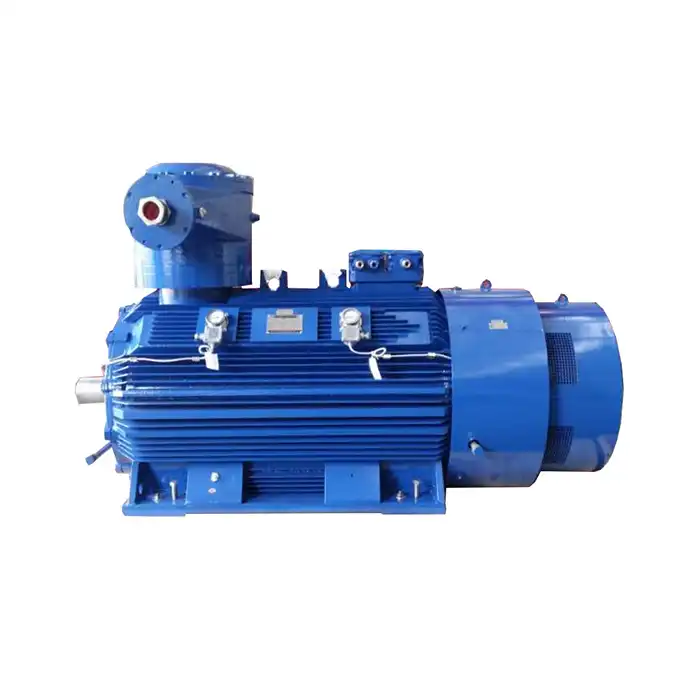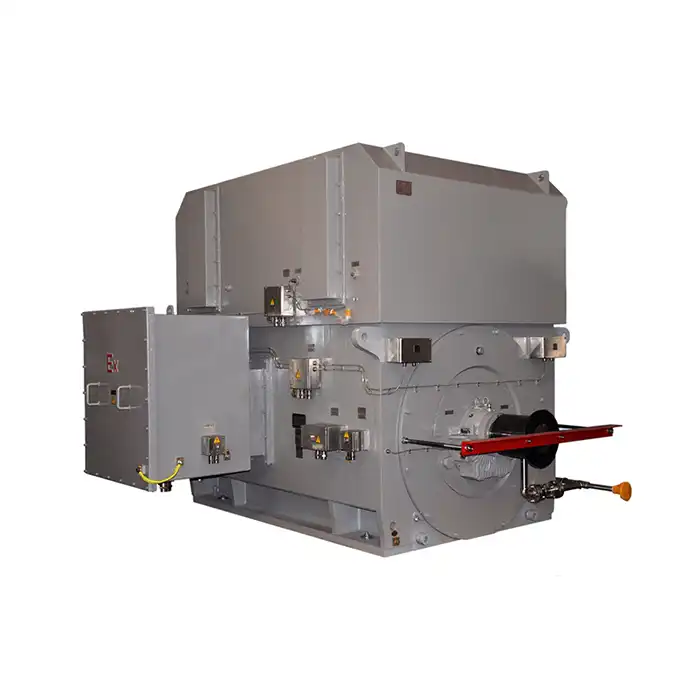




Selecting Motors for Extruders: 5 Reasons to Choose a 200HP DC Motor
Picking the correct motor for an extrusion line is not only a technical choice, but also a very important business decision. A 200hp DC motor gives extrusion processes the strong power and exact control they need, whether they're working with food, rubber or plastics. Because these motors have a high starting power and great speed control, they are perfect for extrusion uses with their changing loads and constant operation. If you know what makes DC technology unique, you can make smart purchases that protect your production efficiency and bottom line.
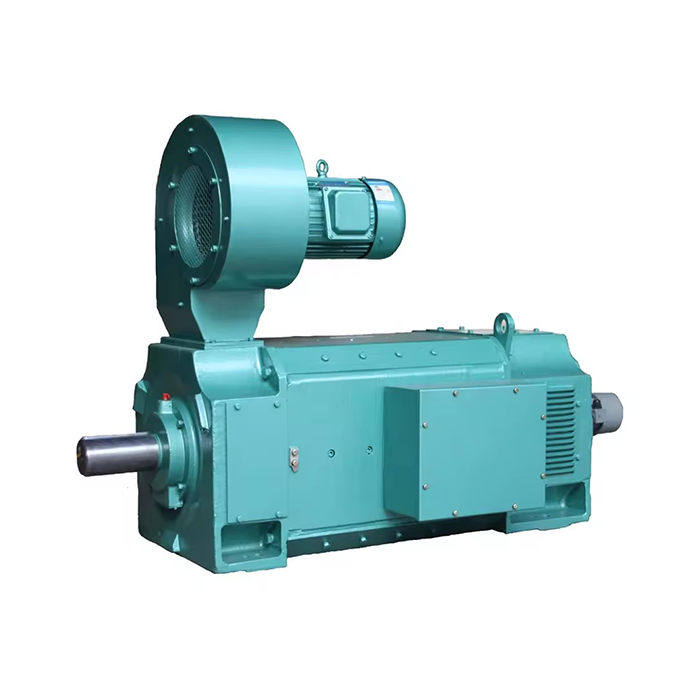
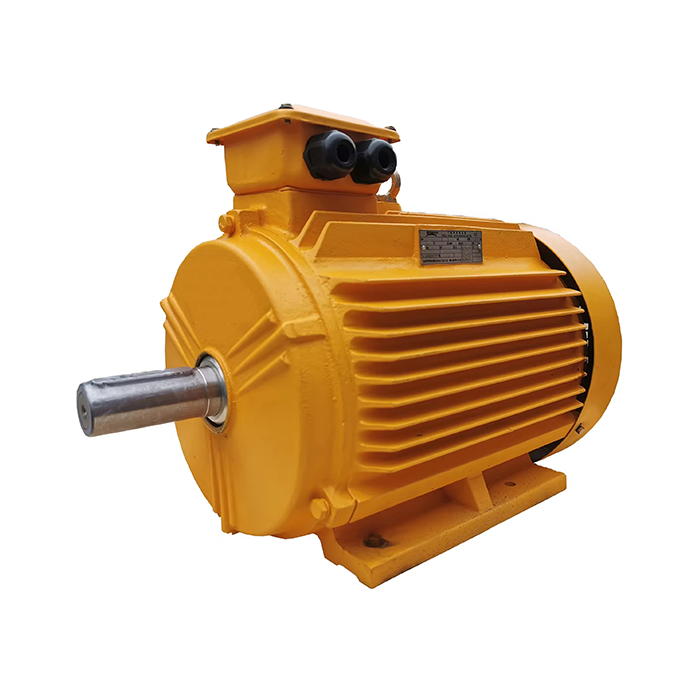
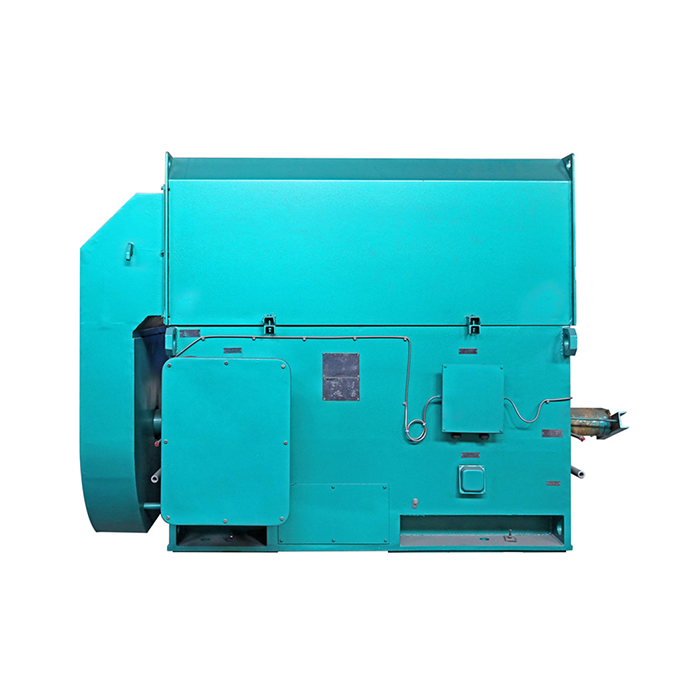
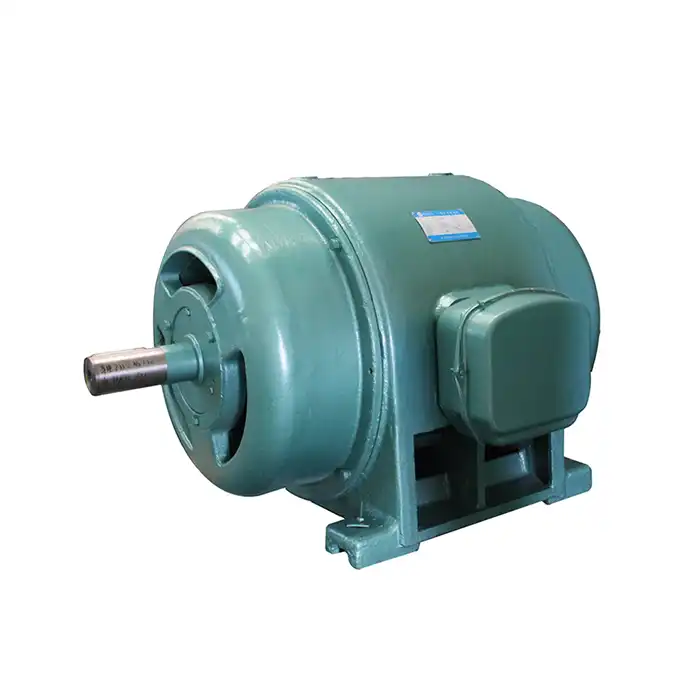
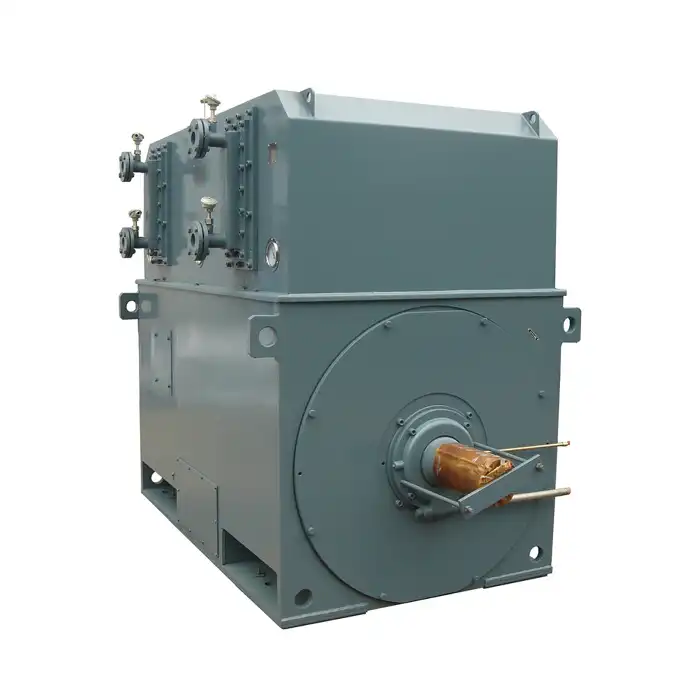
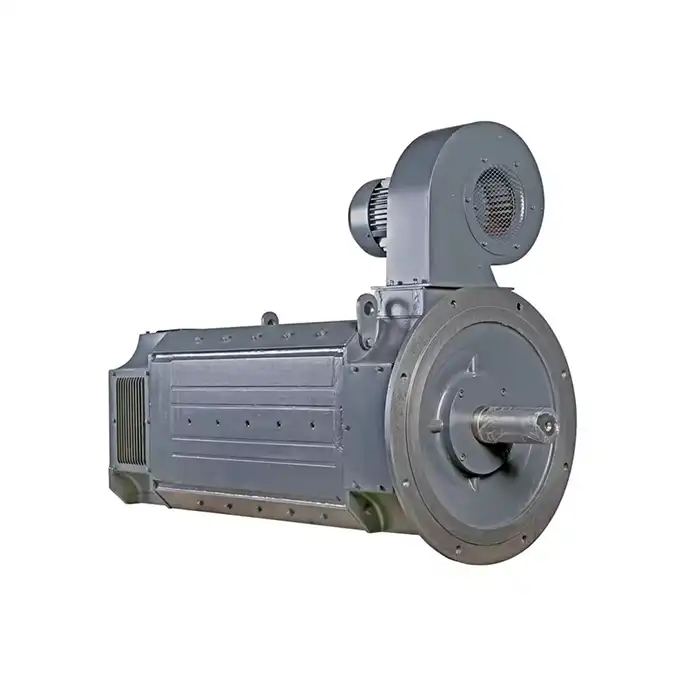
Series:Z4
Frame number: 100-450
Application:Z4 series motorsThis series of motors can be widely used in various industrial sectors such as metallurgical industrial rolling mills, metal cutting machine tools, papermaking, dyeing and weaving, printing, cement, and plastic extrusion machinery.
Power range:1.5-600kW
Voltage range: 160V,440V, etc.
Certificate: The performance of this series of motors not only complies with the national standard GB/T755 "Basic Technical Requirements for Rotating Electrical Machines", but also basically complies with the German VDE0530 standard.
Advantage:Z4 series DC motor has greater advantages than Z2 and Z3 series. It can not only be powered by DC unit power supply, but also suitable for static rectifier power supply. It has small moment of inertia, good dynamic performance, and can withstand high load change rates. It is especially suitable for control systems that require smooth speed regulation, high efficiency, automatic speed stabilization, and responsive response. It has reached the current international advanced level..
Others: SKF, NSK, FAG bearings can be replaced according to customer requirements.
Superior Torque Characteristics for Extruder Performance
Why Starting Torque Matters in Extrusion
As soon as your extruder turns on, it meets a lot of mechanical resistance. A lot of load is created by things like material sitting in the barrel, cold screws, and the first rise of pressure. DC motors work best here because they can give the most power from a speed of zero. A 200 hp DC motor provides instant spinning force, ensuring smooth starts without mechanical stress or unnecessary current draw, in contrast to AC motors, which need extra starting mechanisms.
Continuous Torque for Consistent Output
After the initial start-up phase, extrusion needs a steady force throughout operation. Changes in force directly cause differences in the finished product when working with materials with high viscosity, such as full plastics or thick rubber mixtures. DC motors have a stable force across their entire working range. This means that the measurements of your extrudate stay within the acceptable range. Your quality control team will notice right away that this regularity cuts down on waste and raises the quality of the output as a whole.
Overload Capacity During Process Variations
In the real world, extrusion isn't always steady. Changes in the mass of the material, changes in temperature, and adjustments to the die can all cause brief load increases. DC motors can handle these fast changes in load without slowing down or losing power because they have a small moment of inertia and great dynamic reaction. When these motors are installed in production lines, they need to stop less often for emergencies and can keep going even when working conditions change.
Efficiency and Energy Savings with 200HP DC Motors
Achieving Over 90% Efficiency at Rated Load
A big part of the costs of running an extrusion machine is the energy it uses. Modern DC motors, especially a high-efficiency 200hp dc motor, can be as efficient as 95% at full load, which means you'll save real money on your energy costs. This performance comes from a more improved armature design and field windings that are better at reducing electrical losses. Over the course of a normal production year with multiple shifts, these improvements in speed add up to big cost cuts that directly boost your business's profits.
Variable Speed Without Efficiency Penalties
Changing the speed of an extrusion process is often needed to work with different materials or product requirements. DC motors are very efficient over a wide range of speeds because they don't use frequency changes to control speed, which can cause losses. The motor keeps giving you good performance whether you're running at 60% or 100% of its rated speed. Because of this, you can set the line speed to the best level for each job without having to worry about wasting energy.
Reduced Cooling Requirements
Less useless heat is made when productivity goes up. Because DC motors have better electrical performance, they need less harsh cooling systems than other options that draw the same amount of power. This lowers the amount of extra power that air fans and cooling tools need. The forced air systems on these motors work well, keeping temperatures below the insulation class F level (155°C) without using too much energy to do so.
Reliability and Lifespan in Demanding Industrial Environments
Built for Continuous Heavy-Duty Operation
Most of the time, extrusion lines work in long shifts with few breaks. In this setting, motors must be able to handle constant loads without breaking down. From the armature core laminations to the commutator segments, every part of our motors is made from high-quality materials. Premium bearings from well-known brands like SKF, NSK, or FAG (which can be changed if you wish) make sure that the bearings spin smoothly for tens of thousands of hours. This strong design gives work tools the long-term dependability it needs.
Minimizing Unplanned Downtime
When equipment breaks down during production runs, it costs a lot to fix the problem. Because DC motors are simpler to build and have fewer electrical parts than variable frequency drive systems, they are less likely to break. The simple design makes it easy for repair teams to quickly find problems and fix them when they happen. Regularly checking and replacing the brushes and greasing the bearings are the main upkeep tasks that a 200hp DC motor needs to be done. Because these repair needs are known, you can arrange service for scheduled breaks instead of having to deal with breakdowns that happen out of the blue.
Performance Stability in Harsh Conditions
The temperature and humidity in manufacturing areas aren't always controlled. Electrical equipment has to deal with changes in temperature, dust, and vibrations. Motors with IP23 protection (better grades are offered upon request) work well in most industrial settings. The temperature range of -15°C to +40°C (with wider ranges possible) is suitable for most building settings. This resistance to different environments means that your performance will be the same whether you're running in the south in the summer or the north in the winter.
Flexibility and Customization for Specific Extruder Needs
Adaptable Voltage and Power Supply Options
The electricity systems in different buildings are not all the same. These motors can be installed in a variety of ways because they can work with both DC unit power supplies and static rectifier power supplies. The voltage range can be changed to meet your needs, including 160V, 440V, and other voltages, depending on your electrical system. This flexibility makes it easier to fit into current buildings without having to make major electrical changes. This cuts down on installation costs and project timelines.
Speed Range Adjustment for Process Requirements
The speed needs of different extrusion uses are very different. Single-screw profile extruders and twin-screw compounders work in different ways. DC motors have a speed range that can be changed, so they can be perfectly matched to your process needs. You can fine-tune the operation for each product run by adjusting the speed smoothly. This improves both volume and quality at the same time. This ability to be changed is especially useful when your facility processes a wide range of products that need different handling conditions.
Integration with Existing Control Systems
Modern molding lines have very advanced technology. DC motors work well with programmable logic computers and central control systems that are popular in businesses. Their speed control is fast and works with both analog and digital order signals, making it easier to connect to your current automation system. Because of this, engineers don't have to spend as much time installing the motor, and your workers can add it to their existing production processes without having to go through a lot of training again.
Frame Sizes for Space Constraints
It costs a lot to rent production floor space. With motors having frame numbers between 100 and 450, you can choose from a variety of fitting sizes and mounting choices. This range lets you choose the right-sized tools that will fit in the room you have while still putting out 200 horsepower. Compact designs don't sacrifice performance, so you can get the power you need while staying within reasonable size limits.
Procurement Advantages: Cost, Availability, and Support
Competitive Pricing with Flexible Options
Every piece of equipment that is bought is influenced by the budget. When you work directly with makers, the DC motor market has competitive price systems. Because the power ranges from 1.5kW to 600kW, providers can keep their stock and production capacity up, which helps keep prices stable and affordable. For companies with more than one extrusion line, there are bulk buying options that let you get better prices on 200hp dc motor and increase your capital equipment ROI.
Global Standards Compliance
When buying workplace tools, it's important to make sure it meets all the rules. These motors are in line with German VDE0530 standards and meet the national standard GB/T755 for spinning electrical machines. Certifications like CE and CCC show that a product meets safety and performance standards in major areas. This compliance makes it easier to get approval for purchases and makes sure that the equipment meets your facility's regulatory requirements, which keeps installation and review from going wrong.
Responsive Technical Support
The level of help after the sale varies a lot between equipment providers. Technical questions can be answered quickly when you work with makers who offer specialized support, such as being available on the weekends. When you run into problems with installation or operation, having knowledgeable support staff on hand keeps you from being down for long periods of time.
Warranty and Return Policies
Having purchased safety gives you peace of mind. Full guarantee coverage on new motors protects your investment against problems with the way they were made and failures before they should. A 30-day return policy lets you make sure the tools will work for your needs with little risk. These rules show that the company making the product is confident in its quality, and they also protect your budget for purchases from repair costs that come up out of the blue.
Conclusion
To choose the right motor technology for extrusion tools, you have to weigh performance, dependability, and cost. A 200hp dc motor does a good job of meeting these needs because it offers high speed, high efficiency, proven reliability, a wide range of uses, and strong purchasing benefits. Because it can handle difficult ongoing operations and offer exact speed control, it is perfect for rubber processing, plastic molding machinery, and other related uses. When you add together technical performance and useful business benefits like saving energy and requiring less upkeep, you get a lot of value for industrial automation settings. By comparing these factors to your individual output needs, you can make sure that the motor you choose supports both business excellence and financial goals.
FAQ
1. What makes DC motors suitable for plastic extrusion applications?
DC motors give extrusion barrels the high starting power they need to get past the material's initial resistance. Their excellent speed control keeps the screw rotating steadily even when the thickness of the material changes, which directly raises the quality of the extrudate. Because they can handle high load change rates without speed changes, they are perfect for working with different types of plastic that flow in different ways.
2. How long can a 200 hp DC motor run continuously in production?
These motors are designed to work continuously in factories and usually last for thousands of hours without needing to be serviced. How long something works relies on how well it is maintained, how much it is being used, and its surroundings. With regular brush cleaning, bearing greasing, and cooling system upkeep, motors can usually run for tens of thousands of hours before they need major service. This makes them a good choice for multi-shift production plans.
3. Can these motors integrate with modern automation systems?
Of course. Programmable logic computers and distributed control systems, which are popular in industrial automation, can send standard control messages to DC motors. Their quick speed control and simple interface make it easier to connect them to production management systems that are already in place. Because of this, they can be easily added to automatic extrusion lines with little special building.
Partner with XCMOTOR for Your Extrusion Motor Needs
Shaanxi Qihe Xicheng Electromechanical Equipment Co., Ltd. (XCMOTOR) is an expert at providing power equipment options that are specifically designed to meet the needs of industry manufacturing. Our 200hp dc motor for sale is made with modern production quality and tried-and-true DC technology. It comes with certifications that meet both national and foreign standards. We know that extrusion uses need parts that work reliably. That's why we offer original parts from well-known names, full guarantee coverage, and expert help seven days a week, even on weekends. Our team can help you choose and set up motors that meet your specific working needs, whether you're changing old equipment or planning new production lines. Our 30-day return policy gives you peace of mind when you buy from us, and fast delivery keeps your projects on schedule. Get in touch with our expert staff at xcmotors@163.com to talk about how our motors can help your extrusion work.
References
1. Chapman, S. (2012). Electric Machinery Fundamentals. McGraw-Hill Education.
2. Fitzgerald, A., Kingsley, C., & Umans, S. (2003). Electric Machinery. McGraw-Hill Science/Engineering/Math.
3. Rauwendaal, C. (2014). Polymer Extrusion. Carl Hanser Verlag GmbH & Co. KG.
4. Wildi, T. (2006). Electrical Machines, Drives, and Power Systems. Pearson Education.
5. Middleman, S., & Hochberg, A. K. (1993). Process Engineering Analysis in Semiconductor Device Fabrication. McGraw-Hill.
6. Beaty, H. W., & Kirtley, J. L. (2012). Electric Motor Handbook. McGraw-Hill Education.