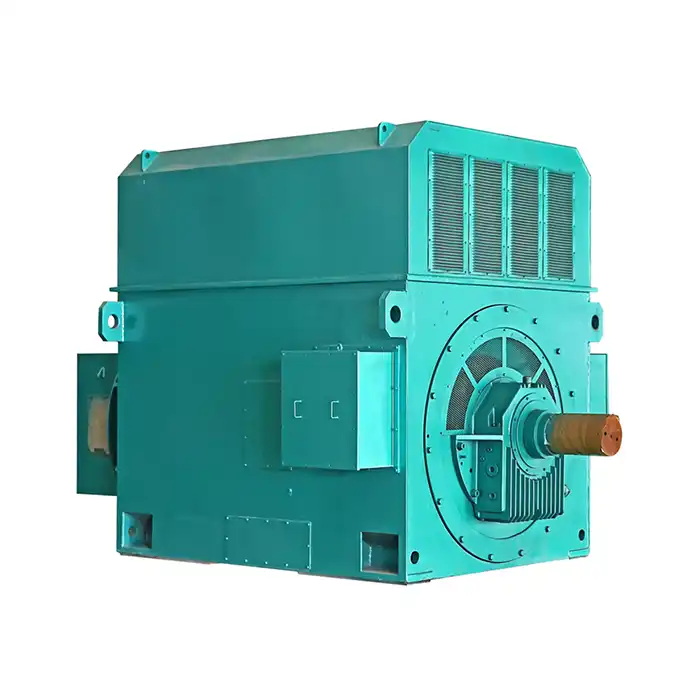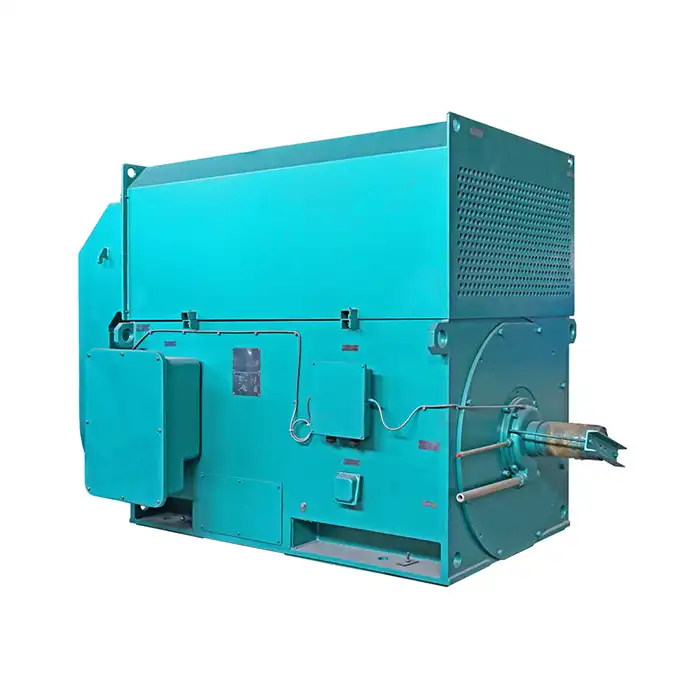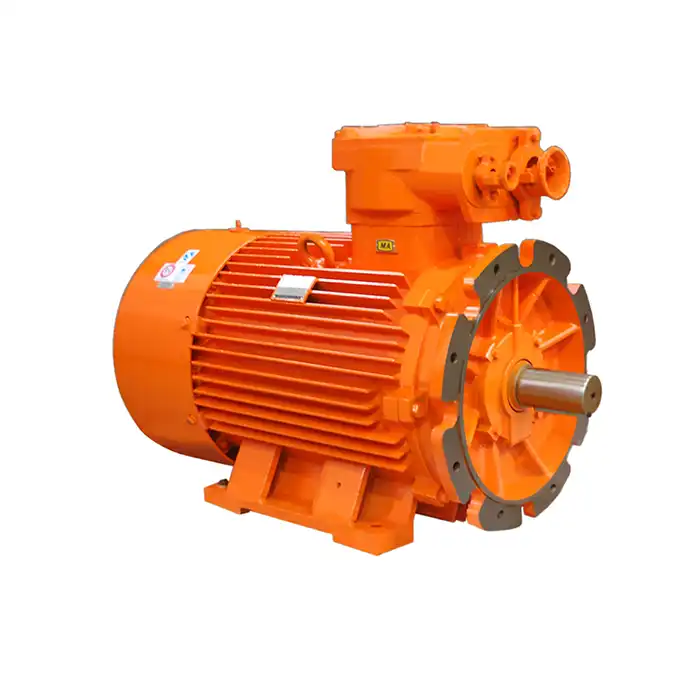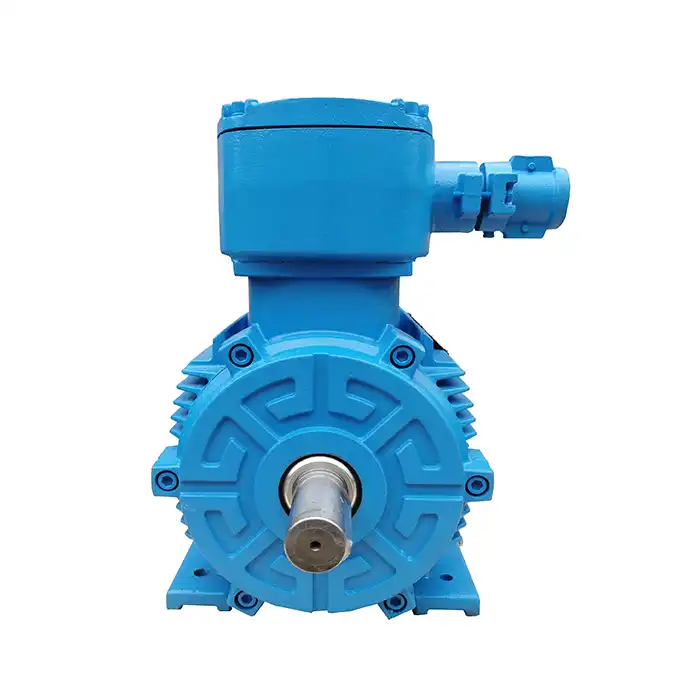




Why 3.3 kV Motor Is Ideal for Compressors and Crushers
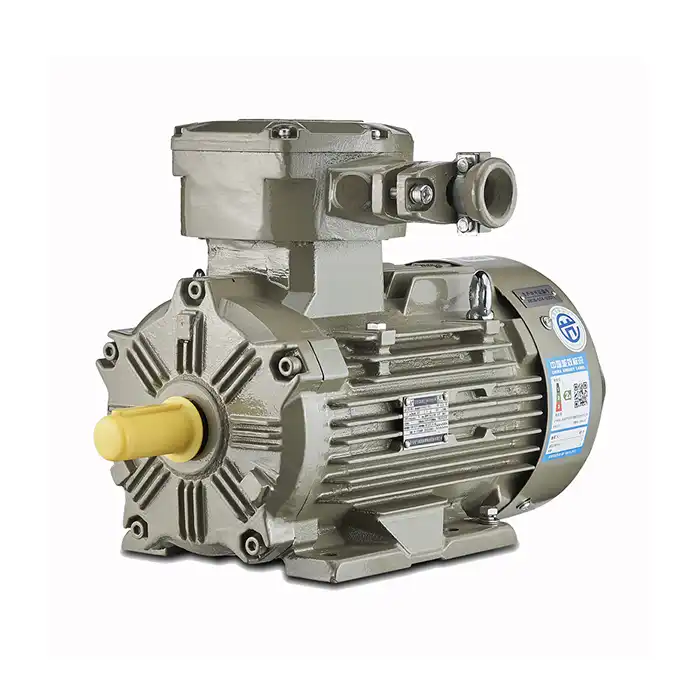
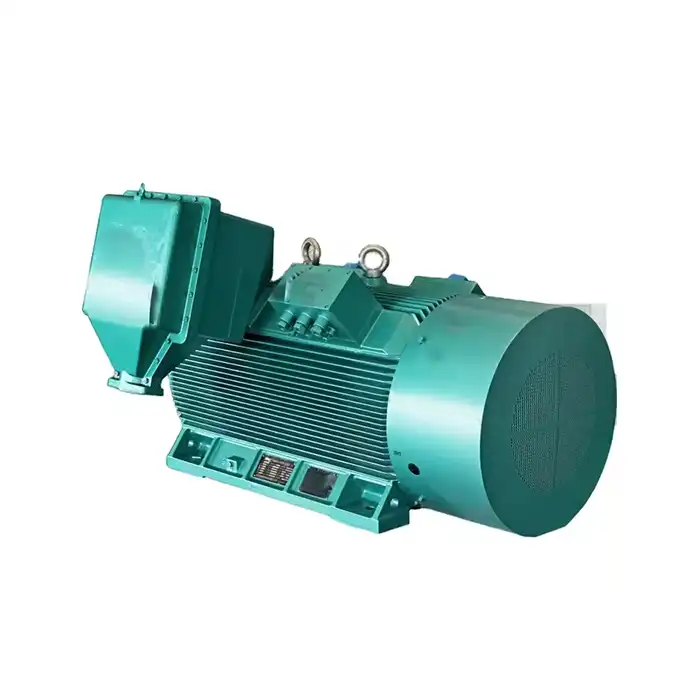
When heavy-duty uses in factories need stable power, choosing the right motor voltage is a very important choice. The 3.3 kV motor strikes the perfect mix between performance, compatibility with existing infrastructure, and operating efficiency. This makes it ideal for compressors and breakers. These medium-voltage motors can handle high power needs while lowering current loads, keeping energy losses to a minimum, and delivering constant speed in tough conditions. Their power grade is exactly the same as the industrial electrical systems that are already in place in factories. This makes installation easier while still providing the strong performance needed for continuous, high-load operations.
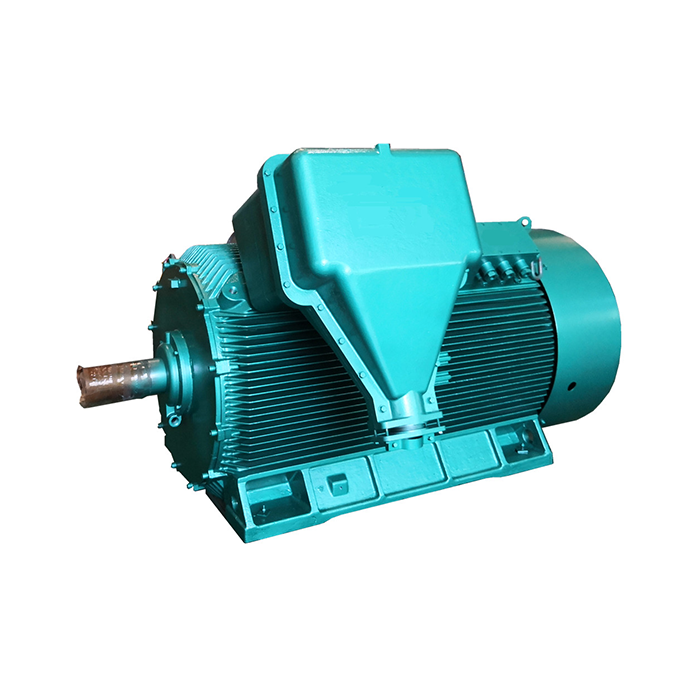
Series:Y2
Protection level:IP54
Voltage range:3000V±5%,3300V±5%,6000V±5%,6600V±5%,10000V±5%,11000V±5%
Power range:160-1600 kW
Application:fans, water pumps, compressors, crushers, cutting machine tools, transportation machinery, etc.
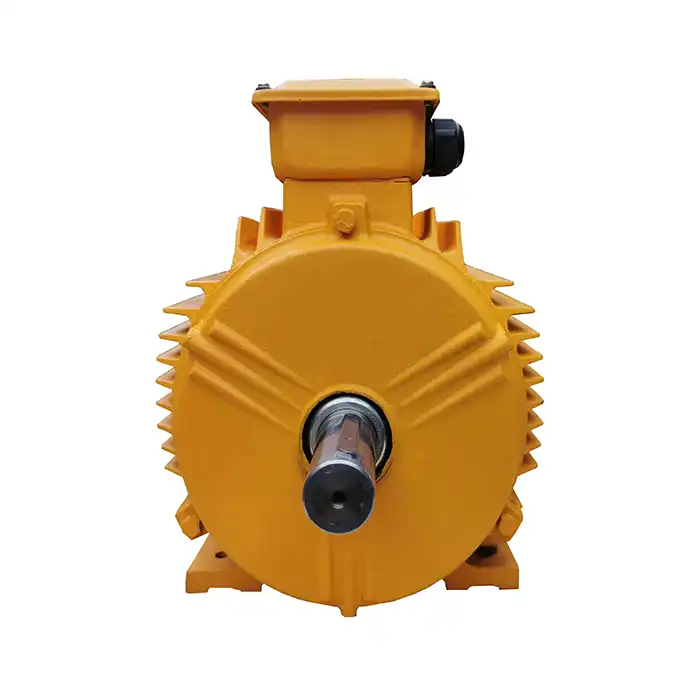
Advantage:compact structure, light weight, low noise, small vibration, long service life, easy installation and maintenance.
Standard: This series of products complies withJB/T10444-2004 standards.
Others: SKF, NSK, FAG bearings can be replaced according to customer requirements.
Understanding the 3.3 kV Motor: Core Features and Operation
Voltage Rating and Industrial Application Principles
The 3.3 kV motor is a good choice for industrial use because it operates at a voltage level between low-voltage and higher-voltage options. The voltage range for our motors is between 3000V±5% and 3300V±5%. This gives you practical freedom while keeping performance stable. Compared to low-voltage options, this voltage level lowers the flow of current. This directly leads to smaller cable cross-sections, lower connection costs, and lower resistance losses throughout the distribution system.
The main idea behind how it works is electromagnetic induction inside a carefully planned assembly of a stator and rotor. When three-phase alternating current powers the stator windings, a spinning magnetic field forms. This field causes current to flow through the rotor, which creates a circular force. Because they are made for middle voltage, these motors can give a lot of power (160 kW to 1600 kW) without using too much energy, which is a problem with lower-voltage motors.
Energy Performance Advantages
Energy use is a high cost for industrial buildings, so buying motors that use less energy is one of the most important things they should think about. Medium-voltage motors that work at this voltage level have big benefits because they need less power. When the current is lower, the I² losses in the wires, switches, and motor windings are also lower. This directly leads to less energy use and lower electricity bills. The improved design keeps the high level of efficiency even when the load changes. This is especially helpful for compressors and breakers whose demand changes all the time. The motors keep working even when they're only partially loaded, unlike some other options that experience big drops in efficiency. Maintaining this level of economy helps environmental efforts and lowers the overall cost of ownership by using less energy over the motor's lifetime.
Why 3.3 kV Motors Are Perfect for Compressors and Crushers
High Starting Torque and Load Handling Capability
Compressors and crushers are hard to start up because have to deal with heavy inertial loads and breaking friction. The 3.3 kV motor works great in these situations because it can provide high starting power without too much inrush current. The medium-voltage design lets enough electromagnetic force build up while keeping current levels low enough for upstream electrical systems to handle. During operation, these motors handle changing loads well, keeping the speed stable even when the demand for the compressor changes or when the material in the crusher changes.
The 160 kW to 1600 kW power range can handle a wide range of equipment, from small process fans to big industrial crushers that process waste materials. With speeds ranging from 500 to 3000 RPM, these motors can be used in a variety of situations and are perfectly matched to the needs of the driven equipment. The strong design makes sure that it will work reliably even when it's under big loads all the time. The carefully designed frame structure reduces practical vibrations that could wear out mechanical parts or mess up the precise angles of linked equipment. Reinforced shaft designs resist rotational stresses.
Application Success in Critical Operations
Industrial sites that use these motors in compressors and crushers say their operations run much more smoothly. When factories switch to medium-voltage motors for their air compressor systems, they save money on energy costs compared to when they used low-voltage systems. This is because the simpler electricity distribution pays for the initial equipment investment in a fair amount of time. Mining companies that use crushers with these motors get steady performance even in tough circumstances. Even when the material hardness and feed rate change, the motors keep running at the same speed, which supports ongoing production plans. The low sound levels keep the crusher's parts from wearing out too quickly, which increases the time between repair visits and lowers the number of parts that need to be replaced.
Process businesses that use compressors for cooling, moving gases, or air transportation, like how stable these motors make their operations. Starting ability, load handling, and efficiency all work together to help with precise process control while wasting as little energy as possible. Facilities are very happy with how reliable the motors are, and they say that planned upkeep rarely finds major wear problems, which shows that the design is durable.
Comparing 3.3 kV Motors with Alternatives for Industrial Applications
Voltage Selection Impact on Performance and Cost
When deciding between voltage levels, you have to weigh a lot of things, like how well the system needs to work, the prices of the whole project, and the performance standards. The 3.3 kV motor is a good compromise between low-voltage systems and higher-voltage choices like 6.6 kV or 11 kV. Lower voltage systems, like 415V three-phase motors, work well for smaller pieces of equipment, but they can't handle as much energy when the power level goes up. A 500 kW application at 415V needs a lot more current than the same power at medium 3.3 kV motor voltage.
This means that the wires, switches, and bus bar systems need to be bigger and heavier. The higher current causes the voltage to drop more over long wire runs, which could affect the motor's performance and call for voltage adjustment measures. The balance of the motor is good. The voltage level is still acceptable with most industrial distribution systems, especially in places where this voltage standard is the norm. The current levels stay controlled while still delivering a lot of power, and the costs of the tools stay low compared to higher-voltage options. Infrastructure needs are in line with normal industrial standards, so no special high-voltage systems are needed.
Procurement Decision Factors
When choosing motor providers, you have to look at more than just the price of the tools. Long-term happiness and total cost of ownership are affected by things like product quality, shipping trustworthiness, expert help, and guarantee terms. We make motors that meet strict quality standards by paying close attention to the materials we use, how precisely we make them, and how thoroughly we test them. Before being shipped, the performance of each motor is checked to make sure that it meets the requirements for electrical features, mechanical balance, and operating factors.
This quality assurance lowers the chance of failure before its time and guarantees steady performance from the time it is installed until it is used for years. Our normal 12-month guarantee from the date of arrival or installation gives you peace of mind about the stability of the product, and our expert support team is here to help with application engineering, installation, and fixing problems. We keep popular substitute parts in stock so that there is as little downtime as possible when help is needed. Motors work well with current repair plans and parts inventory systems because they can be changed to fit specific bearing requirements and other changes.
Procurement Considerations for 3.3 kV Motors in B2B Markets
Total Cost of Ownership Analysis
When deciding what equipment to buy, it's helpful to do a full cost analysis that looks at more than just the purchase price. This includes installation costs, energy use, upkeep needs, and effects on dependability. It may cost more to buy 3.3 kV motors at first than low-voltage options, but in the long run, medium-voltage options are usually cheaper. The lower cost of cables more than makes up for the higher cost of equipment, especially in sites where motor control centers are far away from the driven equipment.
At medium voltage, smaller conductor cross-sections are needed. This lowers the cost of materials and makes it easier to route cables through crowded cable boxes or underground duct banks. The prices of switchgear and safety equipment are still fair at this voltage level, so you don't have to pay as much for high-voltage gear. Reliability has a direct effect on total cost because it affects how long work can go on. The costs of unplanned downtime include missed output value, the cost of emergency repairs, and the quality problems that could happen because of process delays. These secret costs are cut down by motors that are made to last a long time and need little upkeep. This makes the economy work better overall.
Documentation and Specification Process
Getting the right motor starts with clearly stating what you need. It's important to be clear about power needs, speed limits, mounting options, weather conditions, and any other unique features to make sure the right motor is chosen. We help our customers come up with detailed specs by asking the right questions that reveal information about the application that affects motor design. Our team carefully looks over all of your questions and concerns, suggesting the best motor setups and pointing out any application issues that need attention.
We give thorough quotes that include all the important information about the motor, its parts, how it will be tested, and when it will be delivered. This openness helps people make decisions with confidence and avoid mistakes that could slow down projects or lower performance. Custom setups can be made to fit particular needs, like longer shafts, different mounting arrangements, different terminal box placements, or specific bearing requirements. We keep our production flexible so that these changes can be made without causing too many cost increases or delays, as long as the needs are made clear during the quote phase.
Maintenance and Troubleshooting of 3.3 kV Motors
Common Failure Modes and Prevention Strategies
Knowing how common failures happen lets you plan proactive maintenance that stops expensive breaks in 3.3 kV motors before they happen. Overheating is a common problem that can be caused by poor ventilation, high temperatures outside, too much load, or clogged cooling systems. Checking the cooling air paths on a regular basis gets rid of any buildup of waste, and keeping an eye on the temperature can find any strange heating patterns before they cause damage to the insulation. Insulation slowly loses its effectiveness over time due to changes in temperature, exposure to wetness, and buildup of contaminants. Testing the insulation's resistance on a regular basis can show how it's breaking down, so it can be rewound or replaced before it fails.
Keeping the area around 3.3 kV motors clean and dry slows down insulation age and greatly increases service life. Normal use causes bearings to wear out, and the rate at which it does so depends on the quality of the grease, how well the bearings are aligned, and the type of load they are carrying. Through unique frequency patterns that show up before failure is likely, vibration tracking can find bearing problems before they get too bad. Unexpected breakdowns that could damage motor parts and related equipment can be avoided by replacing bearings on a set schedule based on working hours or condition monitoring.
Maintenance Best Practices and Safety Compliance
Structured maintenance programs find the right mix between how often to check and how well to use resources. Critical uses need to be checked on more often, while less important equipment can work successfully with basic repair plans. Keeping records of maintenance tasks, test results, and fixes creates past records that can be used to look for trends and help make choices about future maintenance. When you lubricate a bearing, you should follow the manufacturer's instructions for the type of lube to use, how much to use, and how often to do it. Too much lubrication leads to high temperatures and could damage the seals, while not enough oil speeds up wear.
Proper lubrication practices greatly increase the life of bearings, making this one of the most cost-effective upkeep tasks. Installing, maintaining, and fixing problems are all made easier with the help of wiring designs. Understanding how connections are set up, how safety devices work together, and how control circuits work makes it easier to solve problems. We provide a lot of information to back up these activities, such as performance charts, link maps, and measurement models. Safety is still the most important thing during all upkeep tasks. Medium-voltage equipment needs trained people who follow set electrical safety measures, such as using lockout/tagout correctly, making sure the equipment is de-energized, wearing the right safety gear, and following the rules for arc flash protection. Following safety rules keeps workers safe and ensures that regulations are followed.
Conclusion
Choosing the right motors for crushers and compressors has a big effect on how reliable they are, how much energy they use, and how often they need to be serviced. It is useful to use the 3.3 kV motor because it provides power evenly, manages current, and works with existing equipment. The voltage level is similar to what is used in most industrial electrical systems, and it lowers losses caused by current compared to low-voltage options. For long-term practical success, the sturdy construction can handle tough uses, and the small size and easy upkeep needs make it possible. When making a purchase choice, it's better to look at the total cost of ownership rather than just the original price. For example, investing in more reliable and efficient equipment can often pay for itself through lower running costs and better production consistency.
FAQ
1. What advantages do medium-voltage motors offer compared to low-voltage options?
When you use medium-voltage motors, you need less current to get the same amount of power. This means that the electrical distribution system needs smaller conductors, cheaper cables, and less resistance loss. The lower current lowers the voltage drop across wire runs, which makes the motor work better and the power better. Equipment for switching and protecting is still the right size and doesn't take up too much space. The motors also have smaller frames than similar low-voltage options.
2. How do I determine if a 3.3 kV motor suits my specific equipment requirements?
To match motors to uses, you have to look at things like power needs, speed needs, duty cycle features, weather conditions, and how well the 3.3 kV motor will work with the electrical system. Our expert team helps with this review by asking the right questions about your application and suggesting the best settings. We check to see if the energy level works with the equipment of your building, if the power range is enough, and if the amount of environmental protection is right for your use.
3. What criteria should guide manufacturer selection decisions?
Quality standards for production, full expert help, on-time delivery, and good guarantee terms are the main things that people look for when they are choosing a product. Baseline requirements are that the product standards meet the application requirements. Long-term happiness, on the other hand, depends on the supplier's skills. We show our experience by giving thorough application engineering help, keeping quality high by following strict production processes, and helping customers by making professional tools easy to find and providing quick service.
Partner with XCMOTOR for Reliable 3.3 kV Motor Solutions
Adding the right motors to compressors and crushers makes them more reliable, uses less energy, and needs less upkeep, which can be measured in terms of practical gains. Shaanxi Qihe Xicheng Electromechanical Equipment Co., Ltd. runs XCMOTOR and offers a wide range of power equipment options along with skilled technical help and committed customer service. Our 3.3 kV motor product line has been tested and proven to work well in a wide range of challenging industrial settings. It can also be easily customized to meet specific needs. Email our team at xcmotors@163.com to talk about your unique application needs, get detailed quotes, or look through our full collection of motors. We send real goods from reliable sources, offer free shipping, and have support staff available seven days a week, so you can get quick help during the whole buying process and beyond.
References
1. Chapman, Stephen J. "Electric Machinery Fundamentals, Fifth Edition." McGraw-Hill Education, 2012.
2. Bonnett, Austin H. "Root Cause AC Motor Failure Analysis with a Focus on Shaft Failures." IEEE Transactions on Industry Applications, 2000.
3. Nailen, Richard L. "Understanding Medium-Voltage Motor Specifications." IEEE Industry Applications Magazine, 2003.
4. Stone, Greg C., et al. "Electrical Insulation for Rotating Machines: Design, Evaluation, Aging, Testing, and Repair, Second Edition." Wiley-IEEE Press, 2014.
5. Thorsen, Olav Vidar and Dalva, Magne. "A Survey of Faults on Induction Motors in Offshore Oil Industry, Petrochemical Industry, Gas Terminals, and Oil Refineries." IEEE Transactions on Industry Applications, 1995.
6. Toliyat, Hamid A. and Kliman, Gerald B. "Handbook of Electric Motors, Second Edition." CRC Press, 2004.