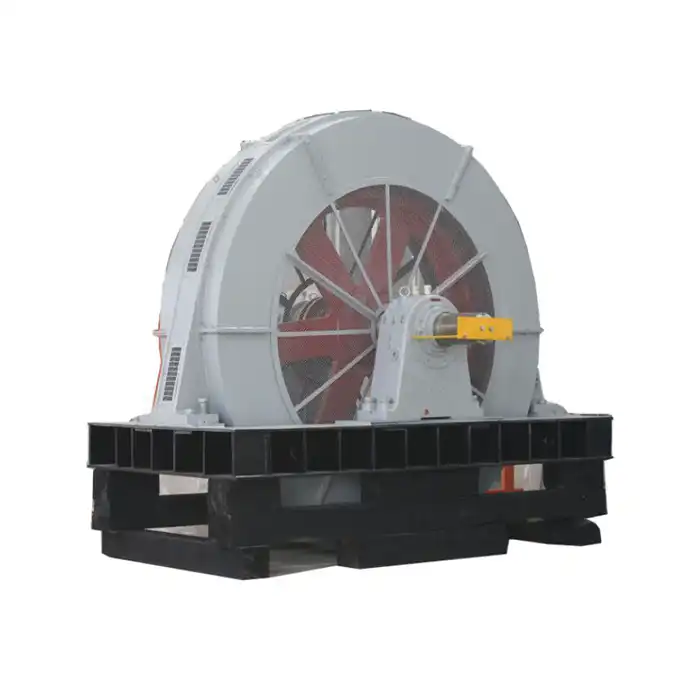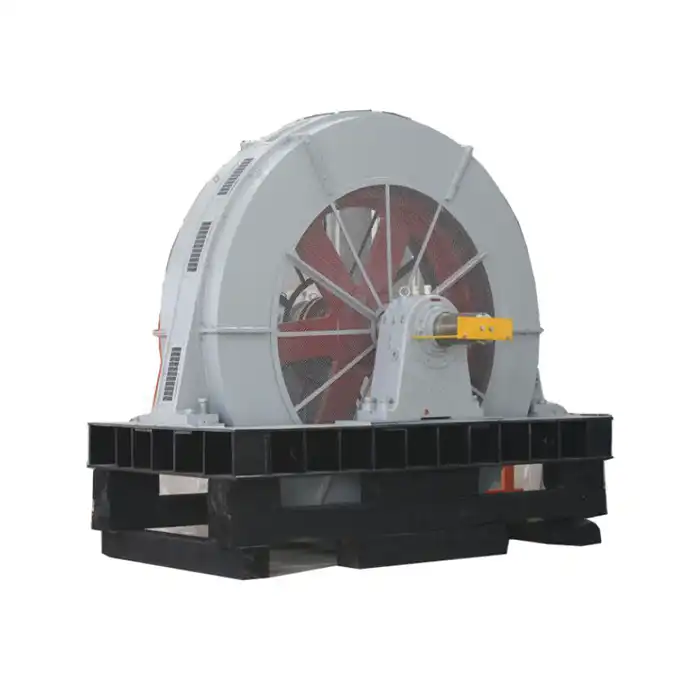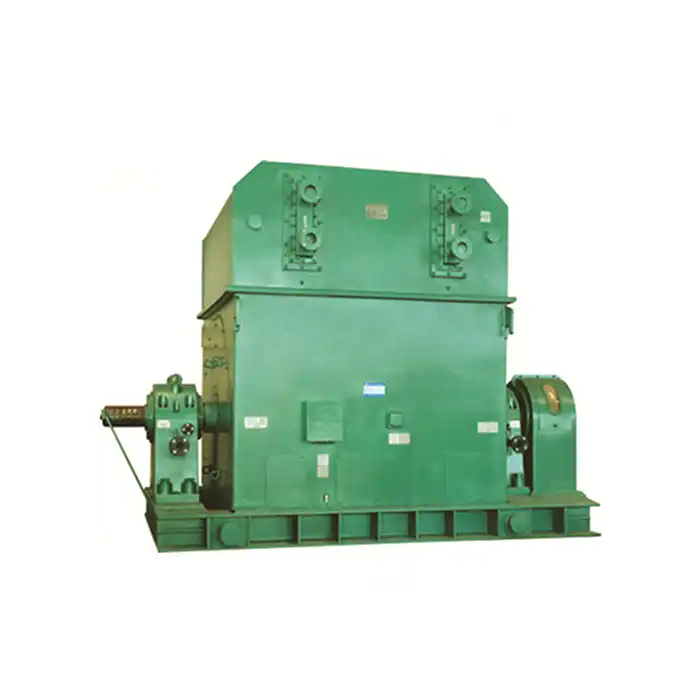




What Is A Ball Mill Motor? Understanding the Basics
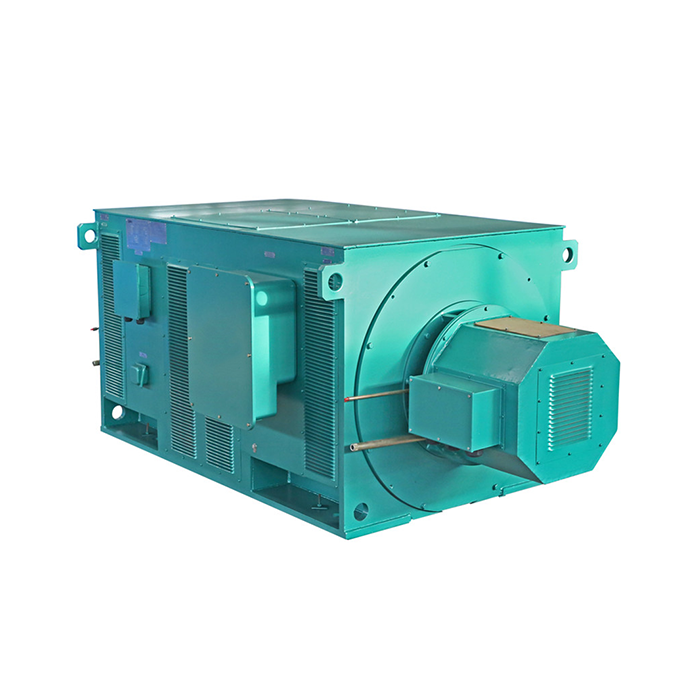
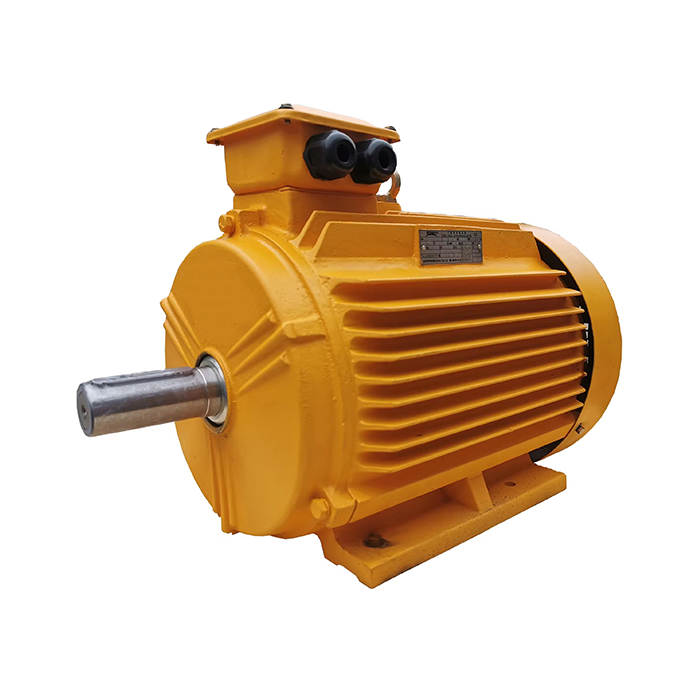
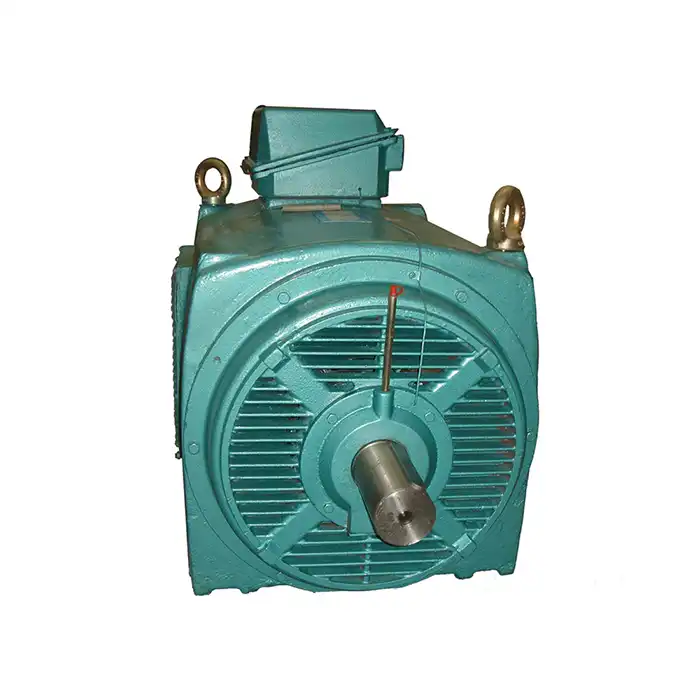
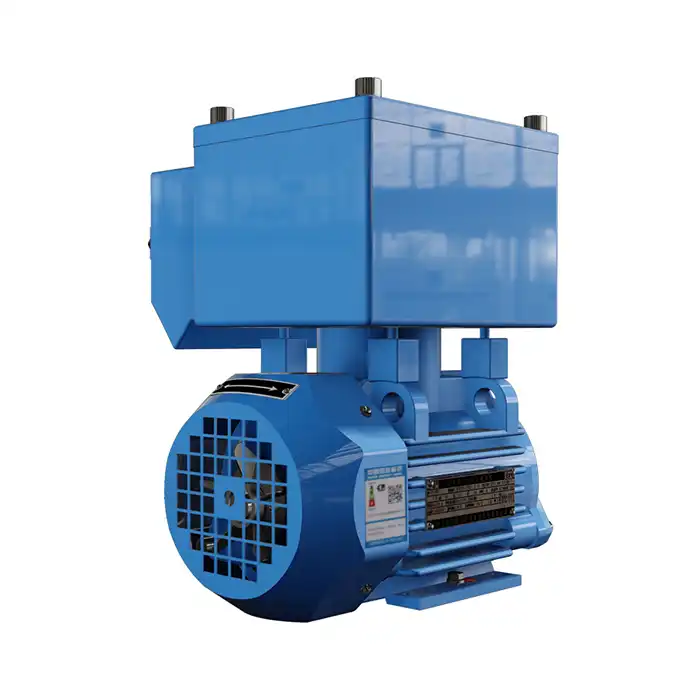
A ball mill motor is what turns the cylinder-shaped shell of a ball mill on and off so that it can keep spinning so that raw materials can be ground into small powders. This special industrial motor has a high starting power and a steady spinning force. This makes sure that the grinding media inside the mill can break down materials like minerals, cement clinker, and chemical compounds. Knowing how these motors work mechanically and electrically helps industrial workers choose equipment that meets their production needs. This cuts down on wasted energy and increases the equipment's useful life.

Series:TDMK
Voltage range:3000V±5%,3300V±5%,6000V±5%,6600V±5%,10000V±5%,
Power range:400-2000 kW
Application:Mining, cement.
Advantage:large starting torque.
Others: SKF, NSK, FAG bearings can be replaced according to customer requirements.
What Is a Ball Mill Motor? Operating Principles and Types
Defining the Role of Ball Mill Motors in Grinding Systems
Ball mill motors are not the same as regular industrial motors because they have to deal with large inertial loads when they first start up and keep their spinning speeds steady while the material loads change. The motor is connected to a circular, cylinder-shaped drum that has steel, ceramic, or rubber grinding balls inside some of it. The grinding media fall and flow as the drum turns, crushing the materials through impact and wear. How well the mill works with batches of materials depends on how well the motor can produce enough power.
Understanding Drive Mechanisms
There are two main ways that motors are connected to ball mills. In direct drive systems, the motor shaft is attached directly to the mill drum. This cuts down on transmission losses and makes the design of the machine easier. This setup works well for tasks that need fine speed control and shorter maintenance periods. Belt drive systems use pulleys and belts to move spinning energy from one part to another. This lets you change the speed easily and keeps the motor safe from shock loads. Belt drives are often preferred in mining because they can handle shocks from unevenly moving materials.
Comparing AC and DC Motor Technologies
AC synchronous motors are most often used in ball mills today because they are strong and can keep their speed even when the load changes. The power factors of these motors are between 0.85 and 0.92, and their starting torque is between 220% and 280% of their maximum torque. When starting up mills that are fully loaded, the high starting power is very important. DC motors aren't used as much as they used to be, but their changeable voltage input makes them better at controlling speed, which makes them useful in processes that need to change speed often. Which one to use (AC or DC) rests on the infrastructure of the business and how well it works with the control system.
Gear Motor Configurations
In some setups, gear motors are used, which have reduction gearboxes built into the motor case. These small units take up less room when they're installed and make the leveling process easier. The gearbox increases the power output while slowing down the rotating speed, which is what large-diameter mills need. Gear motors work well in cement plants that need long-lasting, self-contained solutions because of limited room and harsh circumstances.
Key Benefits and Efficiency Factors of Ball Mill Motors
Enhanced Torque Delivery for Heavy-Duty Operations
Motors made just for grinding mills provide steady power over a wide load range, which keeps the machine from stopping when the density of the material changes. This dependability means that production runs can go on without interruption and flow rates can be planned for. For factories that process mineral ores, ball mill motors that keep up their power output even when wet materials load the mills above and beyond what is standard are especially useful.
Energy Efficiency Reducing Operational Costs
Modern motor designs use advanced winding methods and magnetic circuits that are designed to reduce the amount of electricity that is lost. A properly sized motor that works at 85 to 95% of its stated capacity usually works at its most efficient, turning electrical energy into mechanical work with little heat waste. Over the normal 15-year life of a motor, small changes in efficiency that add up to big savings. By choosing the right motor, cement plants that grind continuously can cut their yearly energy costs by tens of thousands of dollars.
Proper Motor Sizing and Load Matching
Motors that are too small have a hard time speeding up mill loads, which causes too much heat and puts the insulation at risk of failing early. When motors are too big, they work at low load factors, where their efficiency drops by a lot. To figure out how much motor power is needed, you have to look at the properties of the material, the size of the mill, the amount of grinding media, and the flow rates you want. Engineers usually add 15 to 20 percent to the estimated power needs to account for fluctuations during startup and future production rises. Most industrial grinding jobs can be done by motors with power ratings between 400 and 2000 kW. The voltage ranges from 3000V to 10000V to accommodate plant electrical systems.
Maintenance Tips That Make Motors Last Longer
Unexpected breakdowns can be avoided by checking the temperatures, shaking levels, and resistance of the winding insulation on a regular basis. Deep groove ball bearings, which are common in many motors, need to be oiled every 2000 to 3000 hours of use. The exact time intervals rely on the temperature and amount of contamination in the air. Brands of high-quality bearings like SKF, NSK, and FAG offer longer service times and can be customized to meet the needs of the customer. By keeping an eye on the power factor and current draw, you can spot technical problems before they become too big to fix. During scheduled repair windows, the cooling tubes should be cleaned thoroughly and the terminal links should be checked.
How to Select the Right Ball Mill Motor for Your Application?
Assessing Capacity and Power Requirements
To do an accurate power estimate, you must first understand how the object works. It takes more energy to grind harder things like quartz than it does to grind lighter things like limestone. The length and width of the mill directly affect how much power it needs. For example, a 2-meter unit handling the same material as a 4-meter diameter mill needs a lot more power. To guess ball mill motor power, engineers use empirical models that take into account the hardness of the material, the decrease in particle size they want, and the mill filling percentage. Digital testing tools now let you model how grinding works, which makes it easier to guess how much power something will use.
Evaluating Voltage and Speed Specifications
Voltage values are set by the plant's electrical equipment. Medium-voltage motors (3000V–10,000V) work better at high power ratings than low-voltage motors and are better for big sites with dedicated substations. Choosing the right speed combines the need for flow with the rate of wear. Lower speeds (150–200 rpm) make the grinding media last longer, while higher speeds (400–500 rpm) boost production. With variable frequency drives, speed can be optimized while the machine is running, and it can adapt to changing material properties without having to make any mechanical changes.
Considering Drive Type and Installation Space
Direct drive systems don't need gears or connections, so they are easier to maintain. However, they need to be perfectly aligned when they are installed. Belt drives can work with misaligned shafts and let you put the motor away from sources of dust and pressure. The choice of drive is affected by factors like accessible floor room, the strength of the structure, and ease of entry for maintenance tasks. In remote areas where mining is done, simpler belt drive configurations are often preferred so that local techs can repair them without needing special tools.
Analyzing Energy-Saving Features
Class F motors can handle higher winding temperatures, which lets designers make smaller motors that use less material without losing durability. Protection class IP20 shelters are good for placements inside, where dust control systems keep the air clean. Higher safety grades cost more at first, but they are needed in corrosive or outdoor environments. Reactive power draw is cut down by power factor adjustment equipment, which lowers utility demand charges. Some plants reuse the heat that is released when motors cool down, which makes the whole plant more energy efficient.
Procurement Guide: Buying Ball Mill Motors and Supplier Insights
Identifying Reliable Supply Channels
Industrial ball mill motors can be bought directly from manufacturers, through approved dealers, or from specialized motor providers. Setting up accounts with makers that offer full technical help guarantees access to engineering knowledge while specifications are being made. When units break down, distributors keep popular motor grades in stock so that they can be sent out quickly. This is helpful because it cuts down on downtime. Specialist sellers can fix up items and make unique changes that you can't get from mass-market providers.
Verifying Critical Specifications Before Purchase
It is important for purchase orders to clearly say the power rate, voltage tolerance (±5% typical), rotational speed, mounting setup, and shaft measurements. Make sure that the type of bearing and how it is lubricated match the upkeep requirements. Ask for proof of the insulation class, the maximum temperature rise, and the safety grade. List the certificates that are needed, such as ISO 9001 quality management compliance, CE marking for installations in Europe, and CCC approval if it applies. Make sure the guarantee covers parts, work, and damage that happens because the product fails too soon.
Understanding 2026 Pricing Trends
The costs of raw materials, especially electrical steel and copper wires, are putting pressure on the prices of medium-voltage industrial motors right now. Problems in the supply chain have made wait times longer for specific parts, which has pushed back delivery dates. When you make bulk buying deals for more than one unit, you can get 8–12% off the price of a single unit. Long-term service contracts that include spare parts and repair help offer stable running costs, which makes them appealing to places that have a lot of motors that are the same.
Evaluating After-Sales Support and Warranty Services
Quick expert help cuts down on the time needed to fix problems when they happen. Suppliers who keep service techs and extra parts in stock locally can solve problems faster than makers who are far away. Bearing replacement, winding repair, and shaft grinding should all be covered by a full guarantee for at least 12 months. Options for longer warranties that spread costs over 3–5 years protect against unexpected repair costs during the payback periods of equipment.
Conclusion
To choose the right grinding mill drive systems, including a ball mill motor, you must weigh technical requirements against budget and operational needs. A ball mill motor with high starting torque ensures reliable startup under loaded conditions, while efficiency improvements lower long-term energy costs. Performance problems and premature failure are avoided through proper sizing, voltage selection, and drive configuration for each ball mill motor application. Investing in critical production equipment becomes safe when partnering with suppliers offering comprehensive technical support and strong warranty coverage for ball mill motor systems. As industrial processes become more automated and energy-conscious, ball mill motor technology continues advancing to meet demanding mining and mineral processing requirements.
FAQ
1. How do I calculate the required power for my grinding application?
To figure out motor power, you need to know the roughness of the material, the size of the mill, the ratio of grinding media to air, and the desired output. To find the basic formulas, increase the mill's volume by the grinding energy constants for the material, which are usually between 10 and 30 kWh per ton of material produced. The mill speed, the distribution of media sizes, and the targeted particle size reduction are all taken into account in the figures. Talking to motor makers who have experience with grinding makes sure that the power specification is correct, taking into account startup fluctuations and future capacity rises.
2. What maintenance practices prevent motor failures?
Bearings don't wear out too quickly if they are oiled every 2000 to 3000 hours of use. Electrical problems can be found by keeping an eye on the temperatures of the windings and the resistance of the insulation. Vibration analysis finds worn-out bearings and mechanical imbalances before they cause a catastrophic failure. Keeping the cooling tubes clean is an important part of managing temperature correctly. By keeping track of power factor and current draw, you can see changes in loading that point to technical problems in the mill itself.
3. Which motor types offer the best energy efficiency?
Peak efficiency for AC synchronous motors is usually between 94 and 96% for medium-voltage units when they are running at 85 to 95% of their rated load. If you choose the right motor size, it will work in this ideal range. Variable frequency drives let you adjust the speed so that you use less energy when working with soft materials. Premium efficiency motors with optimized magnetic designs and low-loss winding materials are worth the extra money they cost up front because they save money on running costs over their 15-year lifespans.
Connect with XCMOTOR for Tailored Grinding Motor Solutions
At XCMOTOR, our research team specializes in matching motor specs to tough grinding jobs in the cement and mining industries. We offer motors with voltages ranging from 3000V to 10000V and power ratings from 400 kW to 2000 kW. All of them have the big starting torque that is needed for mills to work reliably. Each unit goes through strict quality control measures, such as precise casting, advanced spinning methods, and full performance testing. We have a variety of bearings from SKF, NSK, and FAG that can be used in a variety of situations and with different types of upkeep. You can talk to our ball mill motor supply team at xcmotors@163.com about your unique needs. Our dedicated support staff is available seven days a week to make sure you get expert advice whether you're planning new setups or upgrading tools that you already have. Our dedication to your operational success is shown by the fact that our goods are ISO 9001:2015 certified, come with full warranties, and can be returned within 30 days.
References
1. Gupta, A. and Yan, D. (2016). Mineral Processing Design and Operations: An Introduction. Elsevier Science & Technology.
2. Wills, B.A. and Finch, J.A. (2015). Wills' Mineral Processing Technology: An Introduction to the Practical Aspects of Ore Treatment and Mineral Recovery. Butterworth-Heinemann.
3. Neikov, O.D., Naboychenko, S., and Yefimov, N. (2019). Handbook of Non-Ferrous Metal Powders: Technologies and Applications. Elsevier.
4. Austin, L.G., Klimpel, R.R., and Luckie, P.T. (1984). Process Engineering of Size Reduction: Ball Milling. Society of Mining Engineers of AIME.
5. Mular, A.L., Halbe, D.N., and Barratt, D.J. (2002). Mineral Processing Plant Design, Practice, and Control Proceedings. Society for Mining, Metallurgy, and Exploration.
6. King, R.P. (2012). Modeling and Simulation of Mineral Processing Systems. Butterworth-Heinemann.